Monday.com Product Blog Keeps Teams Updated on Releases and Major Initiatives
Monday.com's product blog is the connective tissue between engineering decisions and the teams who ship, sell, and build on top of the platform.
If you've ever found yourself three sprints deep into a project only to discover that monday.com quietly shipped a capability that would have changed your architecture decisions, you already understand the cost of ignoring the product blog. For engineers, product managers, and customer-facing teams at monday.com, the official product blog and "What's New" pages aren't supplementary reading; they're operational infrastructure.
What the product blog actually does
Most companies treat their product blogs as marketing surfaces. Monday.com's version functions differently: it consolidates release notes, product thinking, and guidance on major platform initiatives into a single channel that teams across functions can use as a reference point. That distinction matters. Release notes tell you what changed; product thinking tells you why. When both live in the same place, engineers can make better architectural decisions and PMs can sequence roadmap conversations with more context.
The "What's New" pages complement this by giving a more structured, version-by-version view of feature rollouts. For anyone managing integrations, custom automations, or enterprise configurations, these pages are where you go to understand the delta between what you set up last quarter and what the platform does today.
MondayDB and the case for staying current
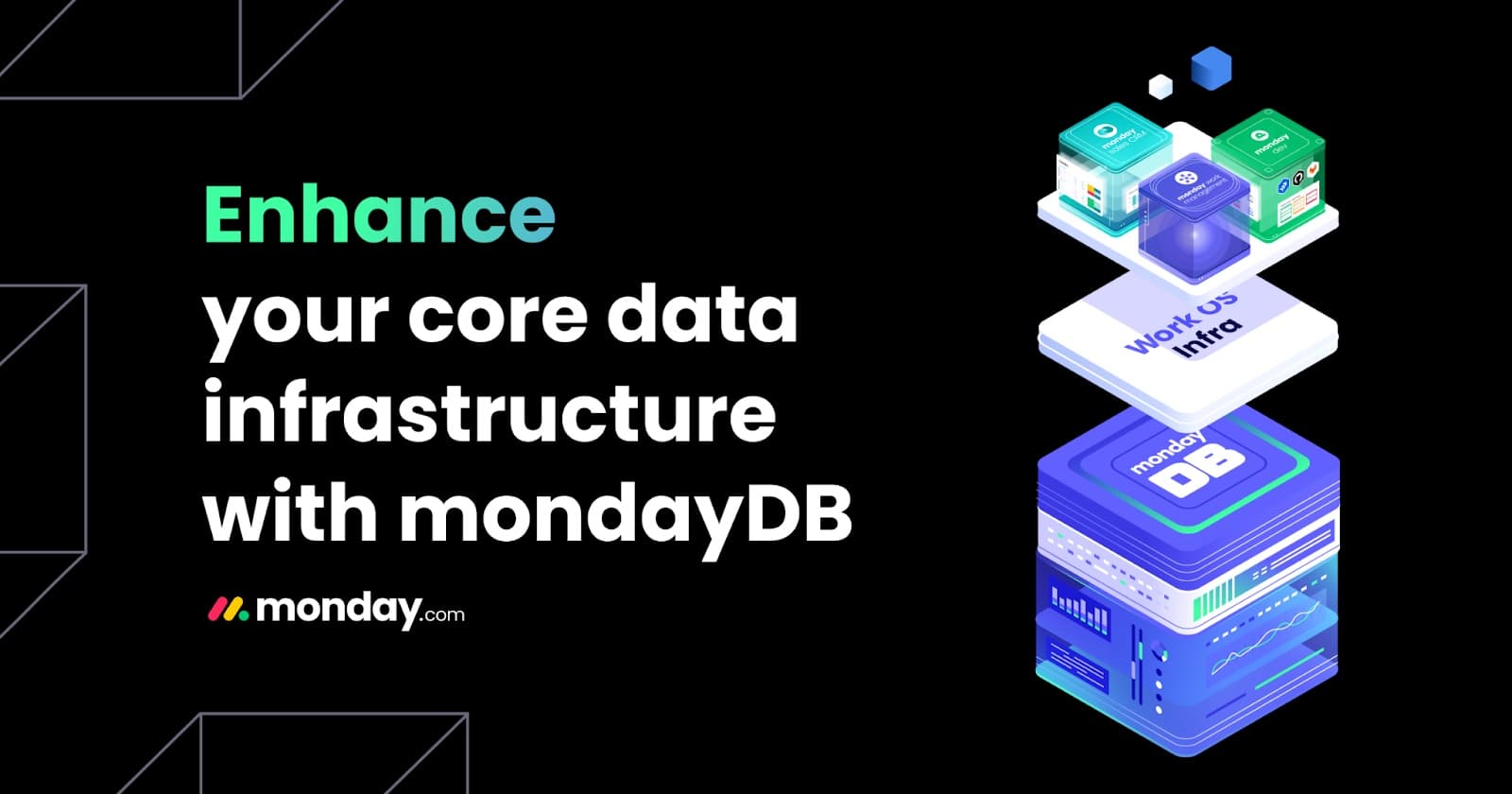
The mondayDB initiative is the clearest illustration of why the product blog carries real operational weight. MondayDB represents a fundamental shift in how monday.com stores and queries data at scale, and the decisions engineers make about how they build on top of the platform, whether through the API, custom apps, or native automations, look different depending on how deeply they understand what mondayDB actually changes.
The product blog has served as the primary channel for explaining these architectural shifts to technical teams. That's not a trivial function. When a platform is evolving its underlying data layer, the gap between teams who are following the documentation closely and teams who aren't can translate directly into rework, performance issues, or integrations that age poorly. For monday.com engineers working on the platform itself, the blog is also a window into how product decisions are being communicated externally, which shapes how internal tooling and APIs get positioned.
How customer-facing teams use it differently
The value proposition for sales professionals and customer success managers is more immediate and more tactical. When a prospect asks whether monday.com supports a specific workflow or a customer escalates a feature request, the "What's New" pages provide a defensible, timestamped answer. That's not a small thing in enterprise sales cycles where technical credibility is often what separates a closed deal from a stalled one.

Customer-facing teams who track the product blog regularly also catch positioning opportunities that their counterparts miss. A new automation capability or a change to permissions logic can be the difference between a renewal conversation and a churn risk, but only if the account team knows about it. The blog creates a shared language between what the product team ships and what the field can credibly promise.
Building a reading habit that actually sticks
The challenge with any internal documentation channel is that it competes with every other input stream. Here are the patterns that tend to work for monday.com teams trying to stay current without drowning in notifications:
- Subscribe to the blog's RSS or email digest and treat it the same way you'd treat a competitor intelligence report: skim regularly, read deeply when something touches your domain.
- Block thirty minutes at the start of each sprint or release cycle to review recent "What's New" entries alongside your backlog. The context is fresher when you review it with active work in front of you.
- Designate one person per team as the product blog reader who surfaces relevant updates in your weekly sync. Rotate the role to distribute the knowledge-building rather than concentrating it.
- When a customer asks a technical question you can't immediately answer, check the product blog before escalating. The answer is often already published.
Why this resource compounds over time
There's a second-order value to following the product blog consistently that doesn't show up in any single release cycle. Teams that read it regularly develop a mental model of how monday.com's product organization thinks, which trade-offs it makes, which architectural principles it keeps returning to. That model makes it easier to anticipate what's coming, to build in ways that age well, and to have more credible conversations with customers about the platform's direction.
For engineers building on the API or developing apps in the monday.com marketplace, that accumulated understanding is particularly valuable. The platform's evolution from a task-management tool to a full work operating system has been documented in the product blog across hundreds of posts. Reading those posts as a continuous narrative, rather than as isolated announcements, gives you a better map of where the platform is heading than any roadmap slide.
MondayDB, AI integrations, changes to the automation engine, updates to the permissions model: each of these is a chapter in a longer story about what kind of platform monday.com intends to be. The product blog is where that story gets written first. Teams who read it closely don't just stay informed; they stay positioned.
This article was produced by Prism’s automated news system from verified source data, official records, and press releases, then run through automated quality and moderation checks before publishing. The system is built and supervised by the people who set the standards it runs under. Read our full AI policy.
Did this article answer your question?