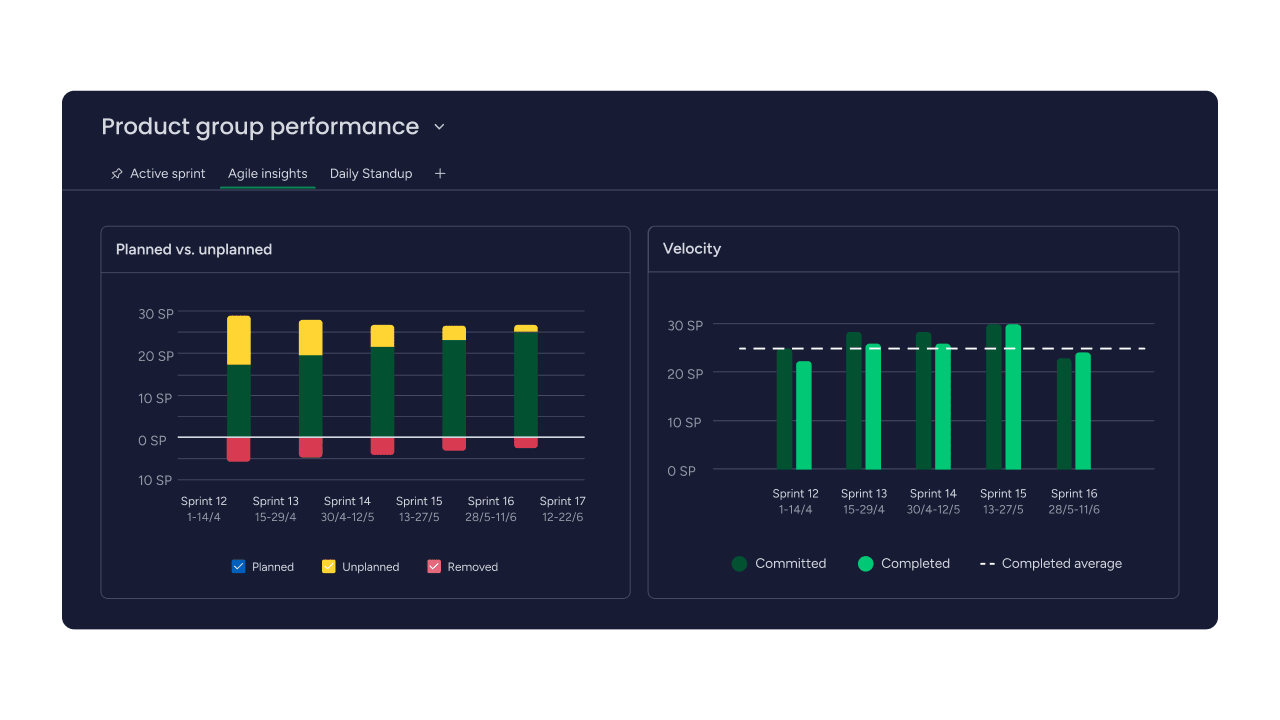
Monday.com rebuilds notifications platform to improve reliability and speed
A notification miss can stall approvals, duplicate work, and delay handoffs. monday.com rebuilt the system so alerts move reliably across email, Slack, Teams, mobile, and in-app.
At monday.com, a lost alert is not a small bug. It can leave an approval sitting untouched, a colleague’s message unseen, a CRM lead unassigned, or a sprint summary stuck in the wrong place at exactly the wrong time.
That is why monday engineering treated notifications as part of the company’s Work OS, not as a background convenience. The system has to reach people through email, mobile, in-app notifications, Slack, and Microsoft Teams, and it has to do it reliably enough that users come back to the platform and act. monday.com says more than 250,000 customers worldwide use its software to bring people, workflows and AI agents together on one platform, so even a small delay can ripple across managers, ops teams and sales pipelines.
The old setup had become too rigid for that job. Notifications lived inside monday.com’s Ruby on Rails monolith and ran through Sidekiq background jobs. Adding a new notification could take multiple days, code changes had to survive long CI pipelines, and even after merge, a production deploy could wait up to two days because of the monolith release process. That made it harder to support new channels and harder to onboard engineers who did not already know the Rails internals.
The redesign pulled orchestration logic into a separate TypeScript microservice, with the goal of improving isolation and speeding up development. monday engineering also leaned on its apps framework to make the platform easier to extend. The team started with a simple one-queue design, then shifted to AWS SQS for durability and native dead-letter-queue support. The new flow is split into processing, filtering and delivery, with exponential backoff, per-channel retry logic and DLQ handling built in so one failed path does not take down the rest.
For product and operations teams inside monday.com, the lesson is broader than notifications. A feature only becomes strategic when it is reliable enough to behave like infrastructure. That matters in a business that said fiscal 2025 revenue grew 27%, Q4 revenue reached $333.9 million, and paid customers with more than 10 users rose to 63,914 as of Dec. 31, 2025. The company also said monday CRM reached $100 million in annual recurring revenue in 2025, and new products accounted for more than 10% of total ARR in the third quarter of 2025. In that context, rebuilding notifications was not a tidy engineering cleanup. It was a bet that the fastest way to improve workplace effectiveness is to make the everyday alert impossible to miss.
This article was produced by Prism’s automated news system from verified source data, official records, and press releases, then run through automated quality and moderation checks before publishing. The system is built and supervised by the people who set the standards it runs under. Read our full AI policy.
Did this article answer your question?