Project management specialists projected to grow 6 percent through 2034
Project management specialists are projected to grow 6 percent through 2034, and monday.com’s customers keep turning coordination into measurable time savings.

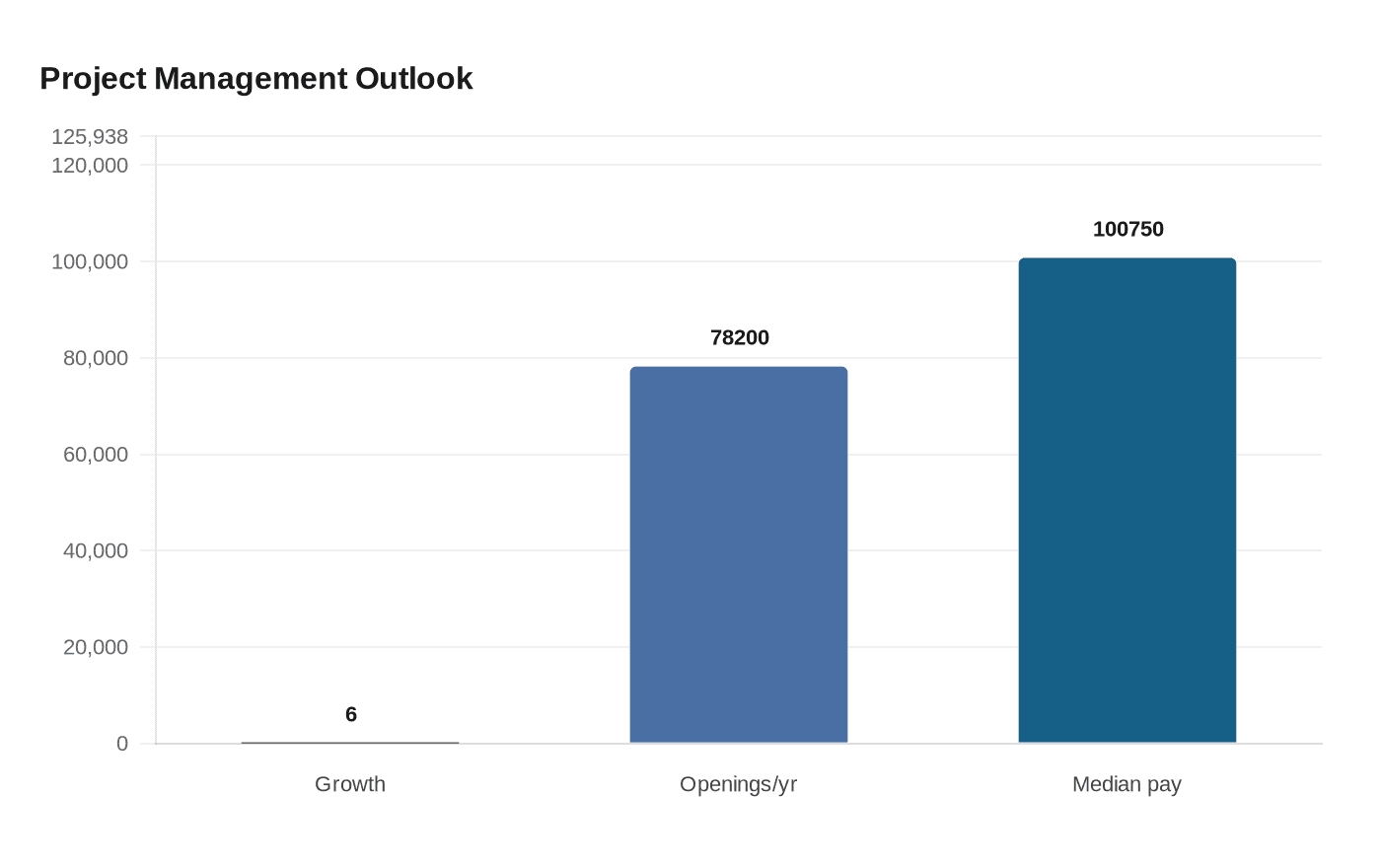
Project management specialists are not getting pushed aside by automation. The U.S. Bureau of Labor Statistics projects the occupation will grow 6 percent from 2024 to 2034, with about 78,200 openings each year on average, and puts the 2024 median pay at $100,750.
The numbers matter because the job is still about more than keeping a checklist moving. The BLS defines project management specialists as the people who coordinate budget, schedule, staffing, and other project details, often in office settings and sometimes on the road with clients. The role usually calls for a bachelor’s degree, and certification can help. The agency’s Occupational Outlook Handbook is revised annually, and the latest edition covers the 2024-34 decade, making these figures the current benchmark for workers weighing where coordination skills can go next.

That outlook fits neatly with monday.com’s own business. The company says more than 250,000 customers worldwide use its platform, and it says it is trusted by over 60% of the Fortune 500. monday.com describes itself as an AI work platform for people and agents, with use cases spanning PMO and ops, product, IT, marketing, sales, and HR. In other words, the software is built for the same glue work the BLS describes, the work of aligning people, timing, and tradeoffs so projects actually land.
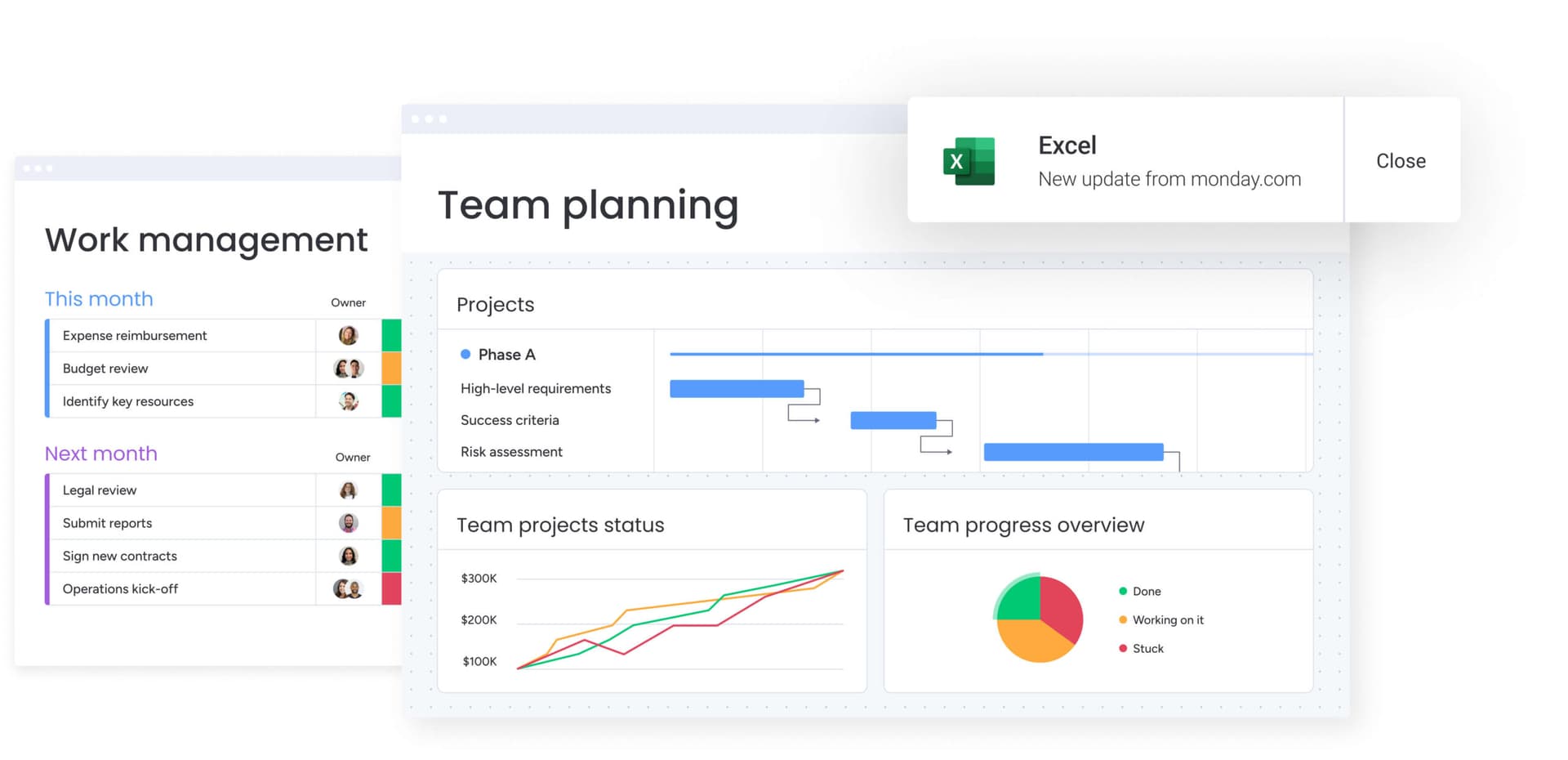
The customer stories make that case in concrete terms. Cloudinary hired a Director of Operations and Projects to establish a project management office and break down organizational silos. Valmont Industries unified project management across 20+ countries and saved more than 9,000 hours a month after moving onto monday.com. McDonald’s adopted monday.com as its central project management platform, while Country Road Group used monday work management to improve visibility for collaboration that moved team to team like a relay race. Those are not administrative niceties. They are operational fixes that affect how fast work gets approved, handed off, and delivered.
For workers at monday.com, the message is straightforward. As AI absorbs more routine tasks and teams stretch across functions, the people who can sequence dependencies, surface bottlenecks, and keep budgets, schedules, and staffing aligned become more valuable, not less. monday.com’s fourth straight year as a Leader in Gartner’s Adaptive Project Management and Reporting Magic Quadrant only reinforces the point: in a more automated workplace, coordination is becoming a strategic skill, not overhead.
Know something we missed? Have a correction or additional information?
Submit a Tip