Salesforce, Google Cloud unveil AI agent integrations across work apps
Salesforce and Google Cloud said agents will move inside Slack and Google Workspace, underscoring a shift monday.com already bet on: AI that travels across systems, not one app.
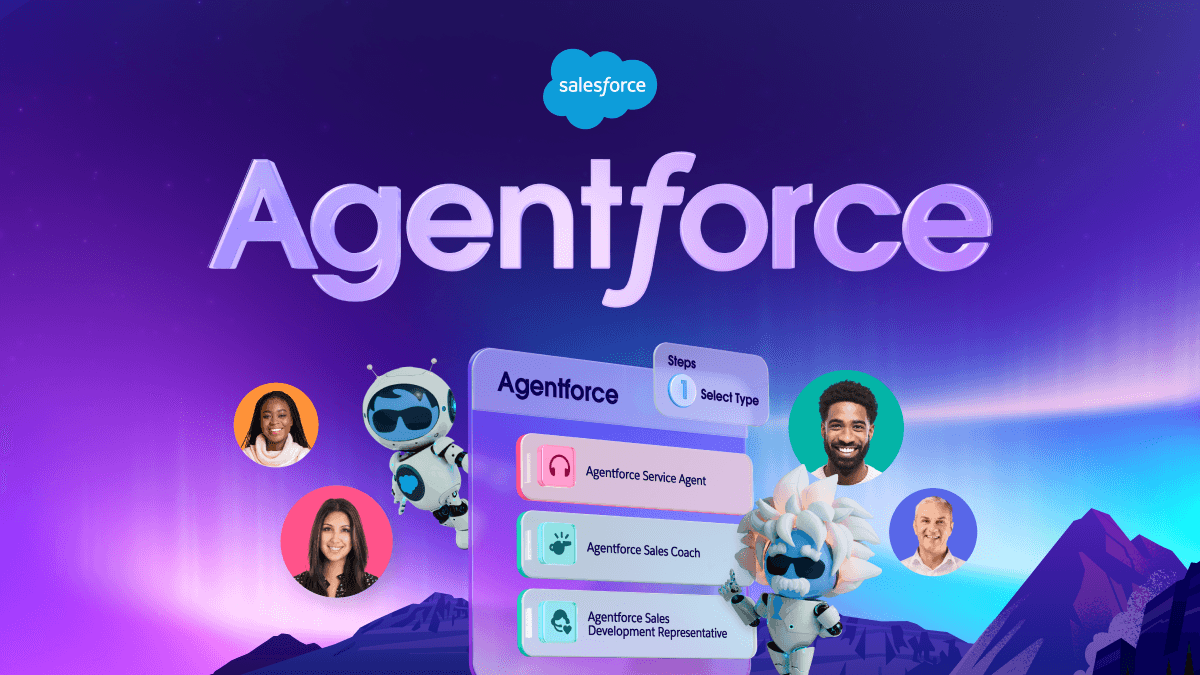
Salesforce and Google Cloud just put a number on the pain workers feel every day: the companies said the modern workday carries a hidden “toggling tax” that costs the average employee two hours of productivity daily. Their answer is to push AI agents deeper into Slack and Google Workspace, with Agentforce and Gemini Enterprise supplying the context behind the scenes and cutting down risky data movement and context switching.
The April 22 announcement at Cloud Next ’26 in Las Vegas is another sign that the old single-vendor fantasy is giving way to a more practical model, where work happens across platforms and AI has to follow. Salesforce said the integrations are meant to work across its full “Agentic Enterprise” stack. It gave concrete examples: Slack users will be able to turn requests into Google Workspace content, and Gemini Enterprise will live inside Slack for tasks such as summarizing a Google Meet transcript alongside a Slack thread.
For monday.com, the message is clear. Enterprise buyers are not just looking for AI features; they want agents that can operate where work already lives, while still respecting governance, permissions, and human oversight. That is exactly the lane monday.com has been carving out. On March 11, the company said external AI agents can sign up, authenticate, and operate directly inside the platform. Those agents can organize projects, update workflows, trigger automations, generate reports, and coordinate work across teams.
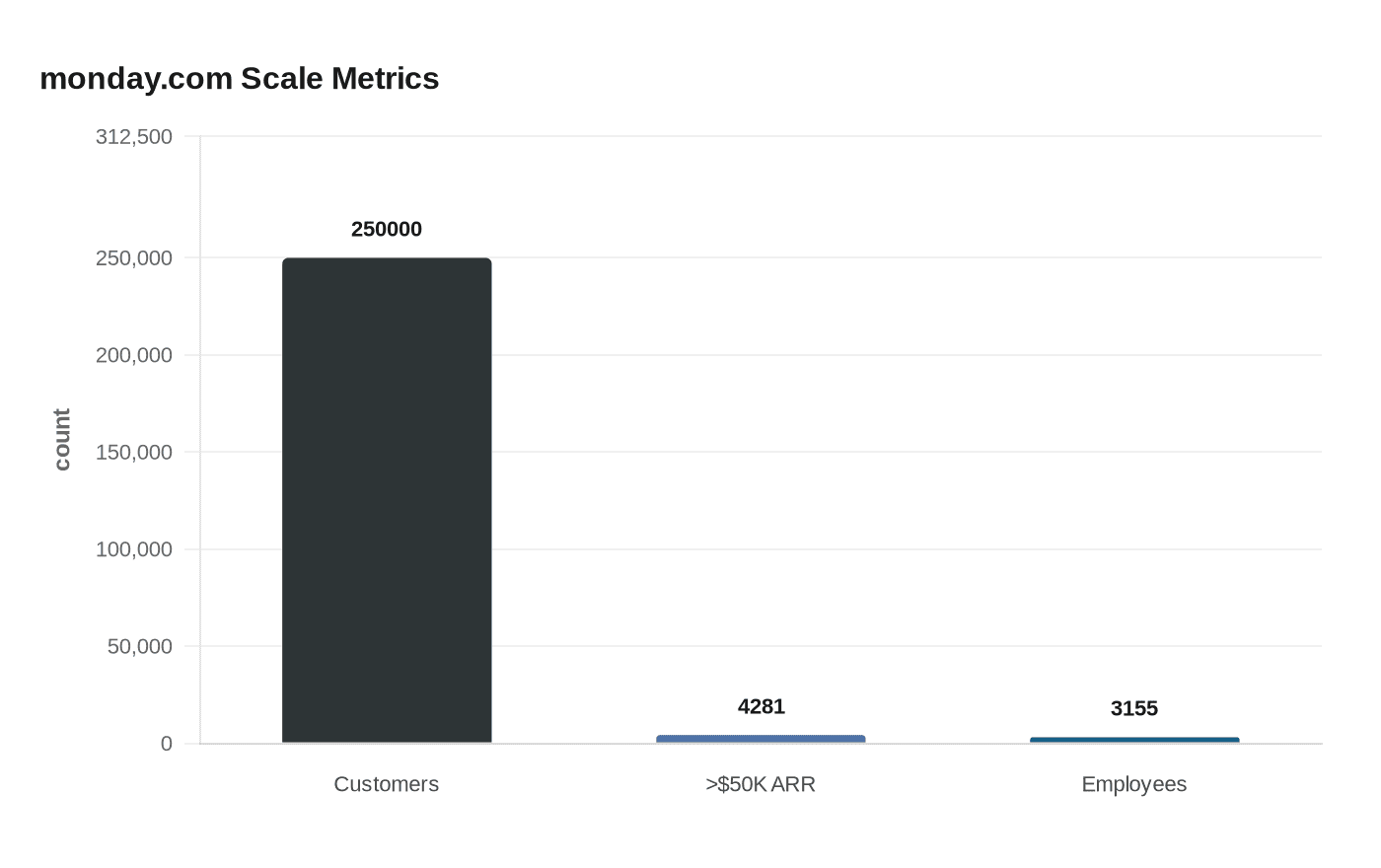
That strategy matters inside monday.com’s own business as much as it does in the market. The company has described itself as an “AI work platform” and said more than 250,000 customers worldwide use monday.com. As of December 31, 2025, it had 4,281 customers with more than $50,000 in annual recurring revenue and 3,155 employees, a scale that gives its product decisions real weight for engineers, product managers, and sales teams alike.
The competitive pressure is rising at the same time. In February, chief revenue officer Casey George told CRN that monday.com sees itself as the “connective tissue” in the enterprise, including for legal work and M&A at Fortune 500 companies. monday.com also widened its AI push with the March 23 launch of Agentalent.ai, a platform for discovering, evaluating, and hiring enterprise AI agents. For a company built on making work visible, the next test is whether it can keep that visibility when agents, not just humans, are moving across Slack, Google Workspace, and every other system the enterprise uses.
This article was produced by Prism’s automated news system from verified source data, official records, and press releases, then run through automated quality and moderation checks before publishing. The system is built and supervised by the people who set the standards it runs under. Read our full AI policy.
Did this article answer your question?