BCG sees gaming growth returning as Nintendo strengths gain value
Gaming is leaving its slump, but Nintendo’s real test is internal: making hardware, software, services, and publishing move together without losing its quality-first edge.
The recovery is real, and it changes what Nintendo has to build
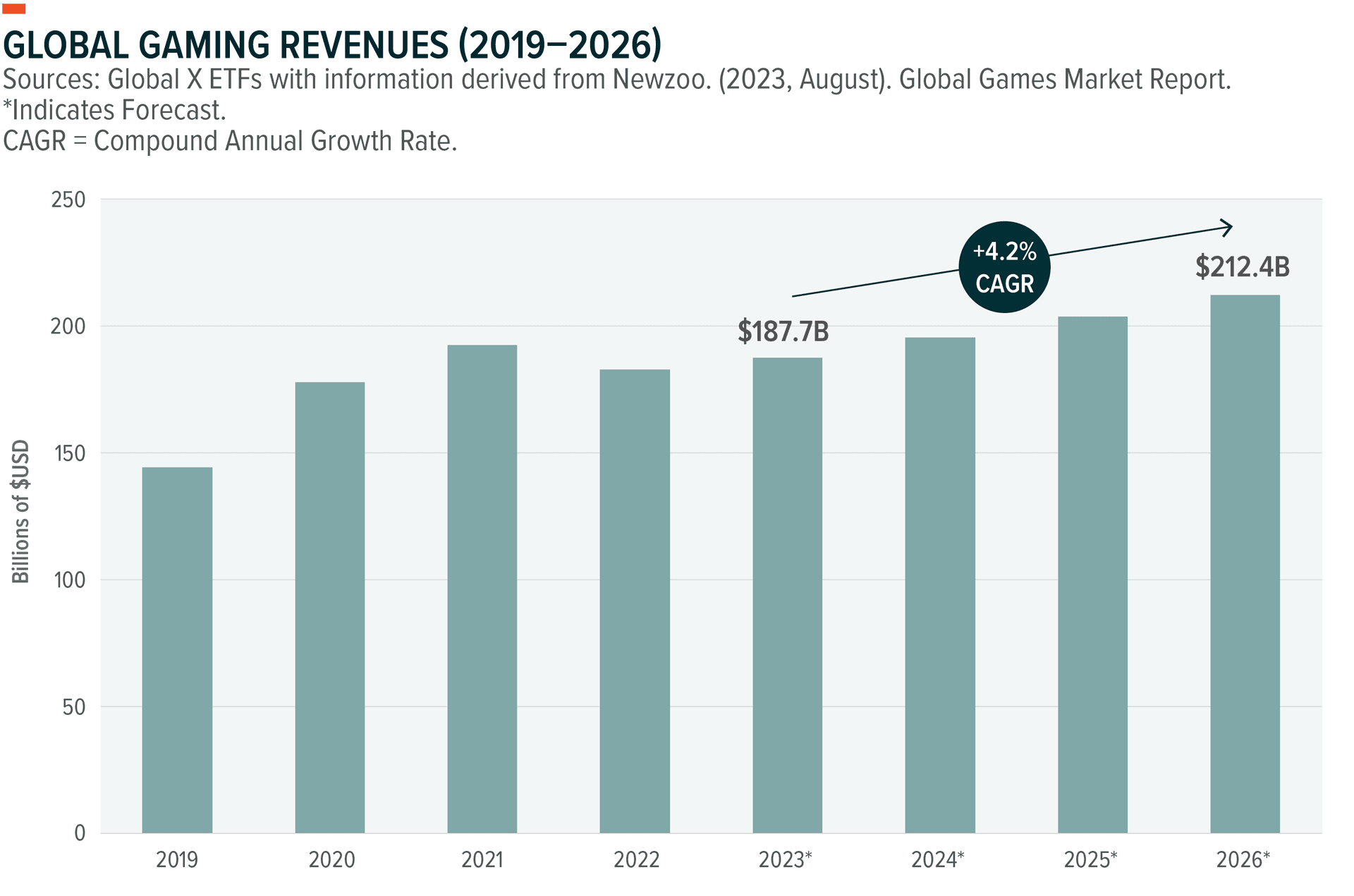
Boston Consulting Group’s latest gaming outlook says the industry is finally emerging from its post-pandemic slump, with the long-awaited end of the three-year video game winter drawing close. That matters inside Nintendo because recovery is not a return to the old playbook. BCG’s survey found that about 55 percent of gamers increased their play time over the past six months, and it says Gen Alpha and Millennials now share similar primary-platform preferences, especially around PlayStation and Nintendo Switch.
For Nintendo employees, that is a sign that the next growth cycle will not be won by hardware alone. It will be won by companies that can keep players inside a broader relationship, through software, accounts, subscriptions, content, and community touchpoints that work across generations. In that sense, Nintendo’s strengths in family appeal and long-term brand loyalty are becoming more valuable, not less.
Nintendo is already behaving like an IP platform company
Shuntaro Furukawa’s management message makes the strategy plain: Nintendo wants to “grow the Nintendo IP fanbase” and “foster long-term relationships with consumers.” That is a very different posture from a company that simply sells a console and waits for the next cycle. It means the internal center of gravity keeps shifting toward coordination, because the business now stretches from games into movies, videos, smart-device apps, character merchandise, and real-world experiences.
That broadening portfolio changes what teams need from one another. Development can no longer think only about a release date and a cartridge or download build. Hardware, software, services, licensing, and marketing are now linked parts of the same fan relationship, so product planning has to line up with account strategy, regional promotion, localization, QA, and long-tail support.
Switch 2 shows what convergence looks like in practice
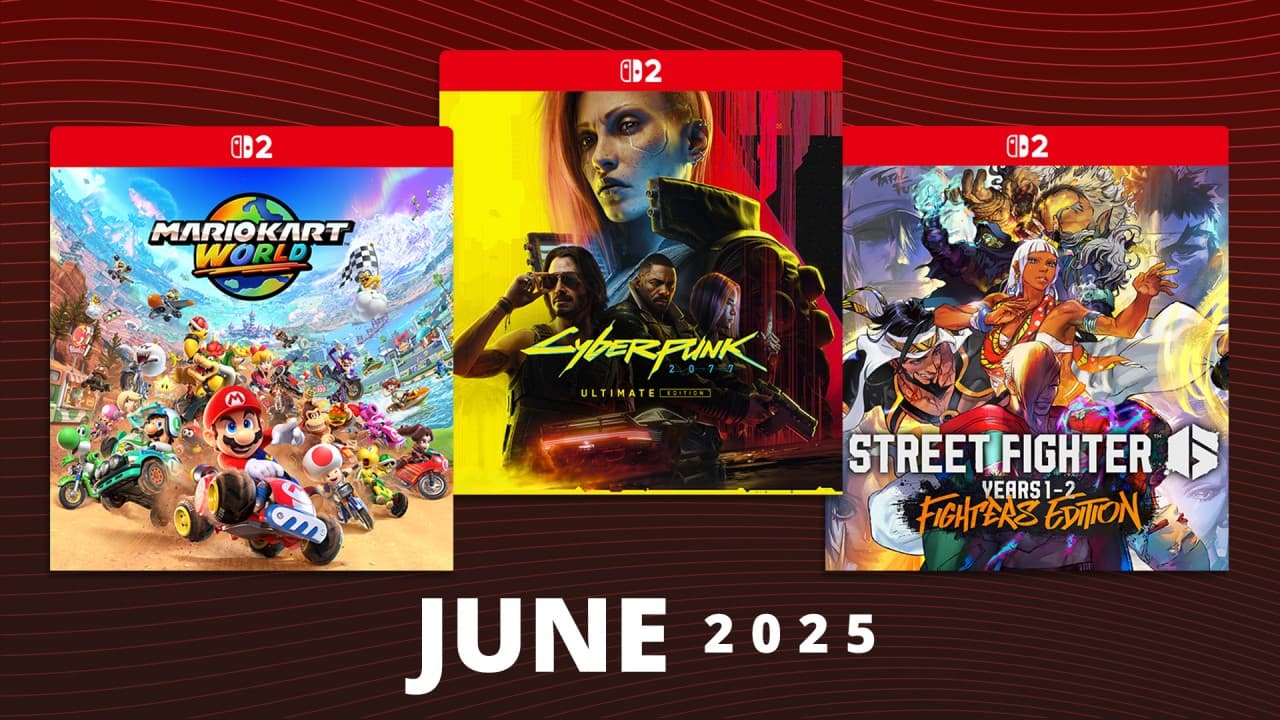
Nintendo announced Switch 2 in January 2025 and set its launch date for June 5, 2025. The company said the system sold over 3.5 million units worldwide in its first four days, the highest global sales level for any Nintendo hardware in that opening window. That launch matters as a workplace signal because it shows Nintendo can still move a hardware-led cycle at scale, while also layering in features that push the company toward a more connected platform model.
The new system is not just about more power and a larger screen, though those details matter. Nintendo also introduced GameChat, the new magnetic Joy-Con 2 controllers, and compatibility planning that reaches back to the original Switch library. The message to employees is clear: a modern Nintendo launch now has to balance a traditional hardware reveal with service design, online functionality, and migration planning for an existing installed base.
Compatibility is now part of the product strategy, not a side note
Nintendo says Switch 2 is compatible with many original Switch physical and digital games, although some titles may not be fully supported. The company also ties the transition to a wider ecosystem that includes the Nintendo Account, Nintendo eShop, Nintendo Switch Online, Virtual Game Cards, GameShare, and smart-device apps. That is not just a consumer convenience feature. It is a coordination challenge that reaches across engineering, support, publishing, and regional operations.
GameChat and GameShare make the shift even more explicit. Nintendo says GameChat supports sessions with up to 12 friends and was free through March 31, 2026 before the subscription requirement kicked in. GameShare lets Switch 2 users share supported games with people who do not own them, including some Switch users after software updates. Together, those features show how live-service expectations are seeping into a company that still prizes self-contained, polished releases.
What platform convergence means for the workplace
BCG identifies four forces that will shape the next five to 10 years: generative AI, user-generated content, streaming, and cross-platform convergence. For Nintendo, the last of those may be the most important day-to-day management issue, because convergence changes how teams coordinate across hardware, software, online services, and third-party publishing. The old model let each function optimize its own lane. The new one demands shared tooling, tighter release planning, and more consistent rules for what travels from device to device, from game to service, and from one generation of players to the next.
That is where the internal pressure points show up. Quality assurance has to cover not only game behavior but also account features, compatibility, updates, and online sessions. Localization and regional teams have to keep pace with service wording, store flows, and feature rollouts, not just in-game text. Business teams also have to think more like ecosystem managers, because third-party content, platform relationships, and recurring engagement now affect how strong the platform feels long after launch week.
Nintendo may still resist full convergence, and that is the point
Even as the company moves toward a broader platform model, it is unlikely to embrace convergence in the same way a pure software or services company might. Nintendo’s culture is built around a dedicated integrated hardware-software platform, and that hardware-led identity is part of why the brand still stands apart. If the company chased every live-service trend or tried to become a generic everything-platform, it would risk flattening the very discipline that makes its games feel special.
That tension is why BCG’s recovery story matters so much for Nintendo staff. The company has scale, with more than 5.9 billion video games and over 860 million hardware units sold globally since its founding in 1889. It also has a huge installed base, with Switch lifetime sales at 155.92 million units and Switch 2 at 19.86 million as of March 31, 2026. At that size, continuity is valuable, but so is restraint.
Nintendo’s next era will belong to teams that can make the ecosystem feel more connected without making the company feel generic. The growth opportunity is real, but so is the organizational work required to hold hardware quality, software ambition, and fan trust together in one system.
This article was produced by Prism’s automated news system from verified source data, official records, and press releases, then run through automated quality and moderation checks before publishing. The system is built and supervised by the people who set the standards it runs under. Read our full AI policy.
Know something we missed? Have a correction or additional information?
Submit a Tip