Behaviour Interactive layoffs signal tightening outsourcing market for Nintendo partners
Behaviour cut staff after saying mobile and casual co-dev demand had cooled, a warning for Nintendo teams that still lean on outside partners.

Behaviour Interactive’s April 22 layoffs landed as a direct warning for Nintendo teams that depend on outside studios: the company said demand for mobile and casual external-development work had declined, and that it was finishing remaining engagements without seeing comparable opportunities in the near term. The studio did not disclose a headcount, but the message was plain enough for anyone watching the outsourcing market, support work is getting tighter and vendor-side job security is getting shakier.
That matters inside Nintendo because the company still runs on a mixed model. Its recruiting materials say some games are made primarily by Nintendo staff, while others are made together with outside software makers. In those collaborations, Nintendo says coordinators handle schedule checks and debugging management, which makes partner capacity, communication, and milestone discipline part of the job, not an afterthought. Nintendo was still advertising 2026 roles tied to Nintendo Switch 2, web services, mobile app development, and a collaboration designer role in April, a sign that joint development remains baked into the pipeline.

For producers, outsourcing managers, QA leads, and business planners, a softer co-dev market can show up long before a project is publicly delayed. It can mean fewer available specialists, more competition for the best vendors, and less flexibility when a schedule needs extra hands. It can also force earlier decisions about what belongs in-house, what can move to a partner, and how much buffer to build into milestones before bug-fix work starts piling up. Nintendo’s own hiring language suggests that is exactly where the pressure sits, at the handoff between internal direction and outside execution.
The broader structure of Nintendo’s development organization makes that risk more than theoretical. Outside analysis of Nintendo’s Entertainment Planning & Development setup says three EPD teams focus on collaborating with external developers on Nintendo-published titles. Nintendo also continues to post project-based development roles, reinforcing that limited-term staffing is still part of how the company fills gaps around specific products and platform work. When the wider co-dev market cools, that decentralized model becomes harder to staff cleanly.
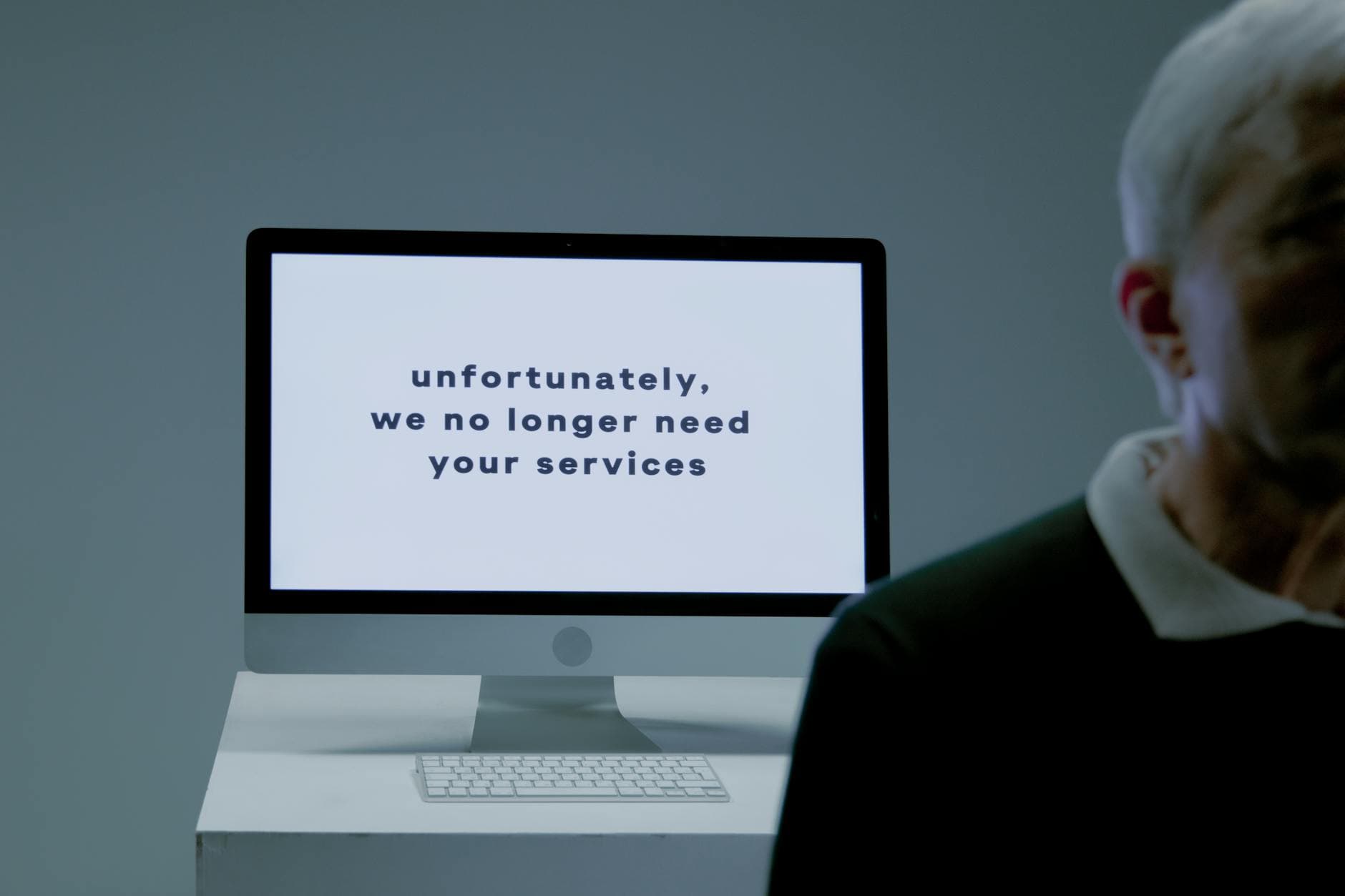
Behaviour’s retrenchment came after a period of expansion, including recent acquisitions of Red Hook Studios and The Fun Pimps, which makes the layoffs even more telling. Even studios that are buying capability and content can still cut back when the external-development business line weakens. For Nintendo staff, the lesson is straightforward: the partner network is not a background detail. It is part of the production system, and when that market tightens, schedules, specialization, and job security all tighten with it.
This article was produced by Prism’s automated news system from verified source data, official records, and press releases, then run through automated quality and moderation checks before publishing. The system is built and supervised by the people who set the standards it runs under. Read our full AI policy.
Did this article answer your question?
