Congested April 2026 Release Window Strains Nintendo Certification, QA, and Localization Teams
Pokémon Champions, Tomodachi Life: Living the Dream, and a string of third-party Switch 2 ports all land in April, stacking Nintendo's certification queues and squeezing localization teams.

When Pokémon Champions and Tomodachi Life: Living the Dream both land in April, the eShop's featured placement grid has an immediate problem: there are not enough top slots to go around.
The April 2026 release schedule is dense enough that the real competition is for visibility. Goat Simulator 3, Amnesia: Rebirth, and Pragmata all target Switch 2 in the same window, alongside Mouse: P.I. for Hire across multiple platforms and a stream of DLC and platform-specific drops that don't appear in headline counts but still consume certification bandwidth. The clustering is not accidental. Switch 2's early lifecycle makes April a premium placement window for any publisher looking to capture hardware upgrade momentum, and that incentive compresses scheduling across the entire ecosystem simultaneously.
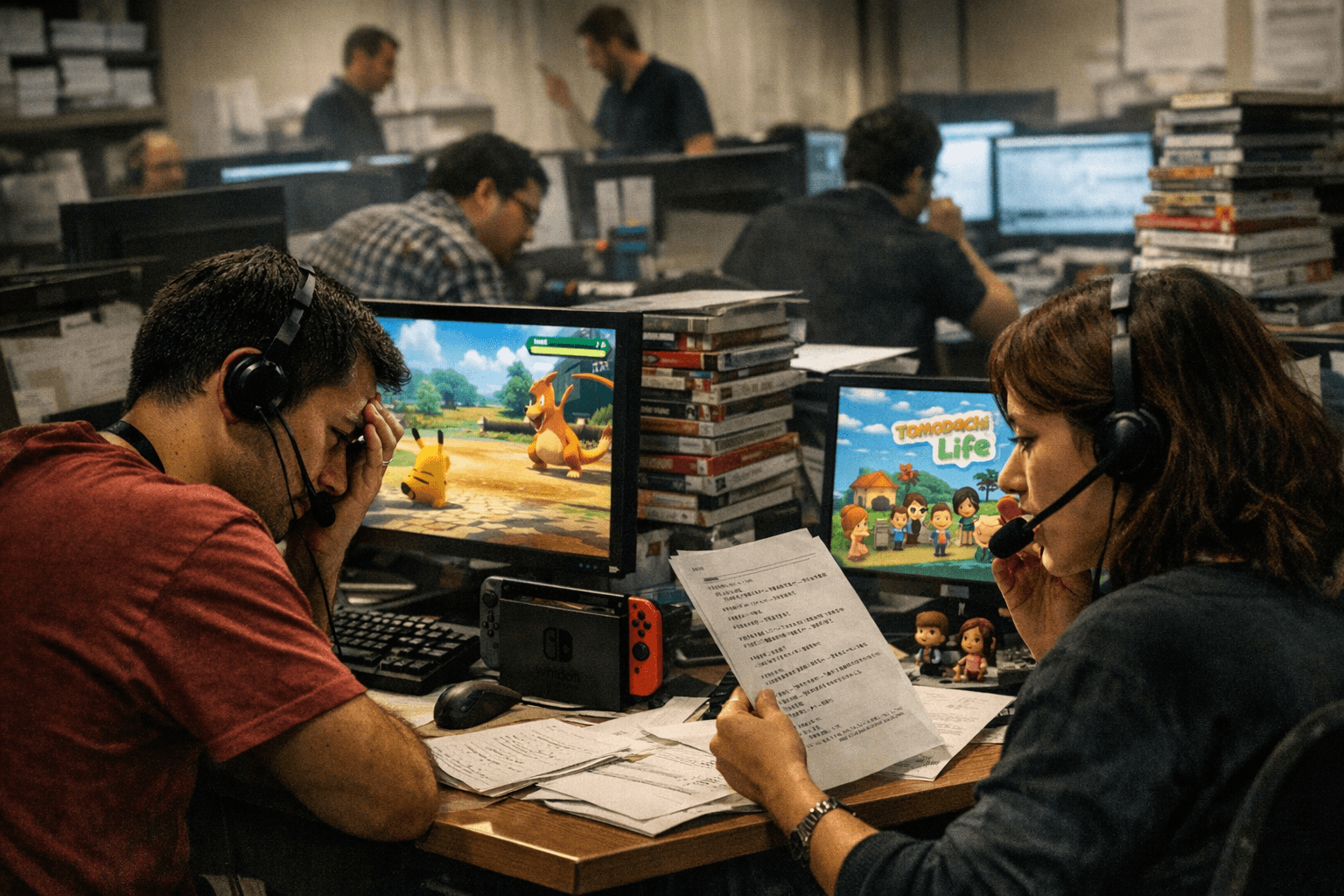
For Nintendo's internal certification teams, the math is straightforward and uncomfortable. Multiple near-simultaneous builds entering the certification pipeline multiply regression testing demand. When several titles target the same submission window, prioritization becomes a strategic decision rather than a procedural one: which release claims the protected certification slot, and which gets pushed into a queue where late-stage bug discovery carries real schedule risk. Temporary capacity through trusted external QA partners is one pressure valve; internal overtime is another. Neither is a clean solution during a month already stretched thin.
Localization teams face their own version of the same pressure. Compressed deadlines for text, voice assets, and regional regulatory compliance checks do not pause for a calmer week. For titles with global day-one ambitions, the window to complete a localization sprint shrinks further when multiple projects compete for the same senior staff and review cycles. The practical triage here means negotiating time-boxed deliveries and defining minimum-viable targets for lower-priority regions, a move that results in some markets receiving later regional launch dates by design rather than oversight.
The discoverability stakes raise the cost of every timing decision. On the eShop, Nintendo controls which titles receive featured placement, promotional banners, and Direct visibility. When the calendar is this packed, third-party publishers scheduled around the same events compete for the same editorial real estate. A Pragmata release landing in the same active week as a major first-party title is not simply a marketing scheduling conflict; it risks the kind of low-organic-discovery launch that damages long-term sales curves and strains post-launch support planning well into Q3.
Operations and online services teams inherit the downstream risk. Simultaneous live launches, each requiring server provisioning, eShop coordination, patch rollout sequencing, and monitoring coverage, demand cross-team runbooks built before launch day rather than assembled during it. For Switch 2-specific titles with network-dependent features, a platform-level maintenance window scheduled during a competitor's launch event can suppress day-one engagement with no straightforward recovery path.
The structural driver is the hardware cycle itself. Early adopters create gravity: publishers want early Switch 2 placement to demonstrate platform-specific capabilities before the install base diversifies into a longer tail of preferences. That gravity pulls releases into the same narrow windows. April 2026 has become one of the most concentrated of them, and the internal cost of managing that concentration will be processed by certification, localization, and operations teams long after the launch dates have cleared.
This article was produced by Prism’s automated news system from verified source data, official records, and press releases, then run through automated quality and moderation checks before publishing. The system is built and supervised by the people who set the standards it runs under. Read our full AI policy.
Did this article answer your question?
