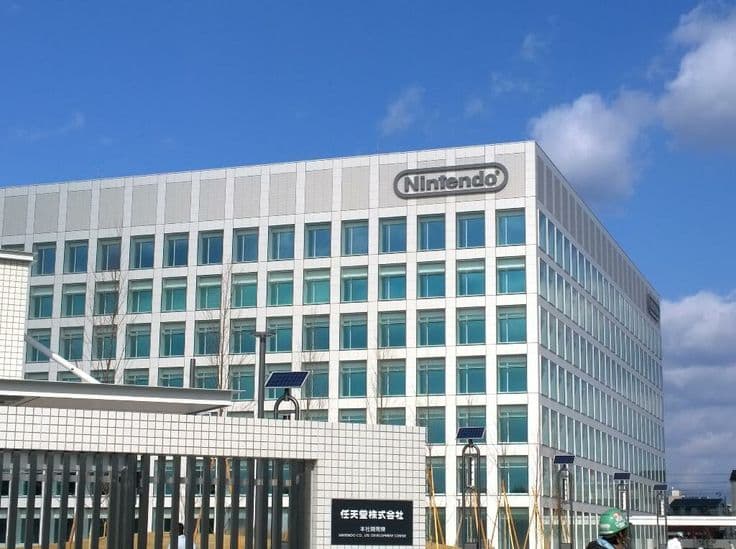
EEOC Filing Guide for Nintendo Workers: Coverage, Deadlines, Filing Steps
EEOC guidance explains how Nintendo employees, applicants, and contractors can file workplace discrimination charges, what the deadlines are, and what to expect from intake through remedies.

Federal rules enforced by the Equal Employment Opportunity Commission apply to Nintendo employees, applicants, and contractors who believe they experienced discrimination. The EEOC covers discrimination based on race, color, religion, sex - including pregnancy, sexual orientation, and gender identity - national origin, age for workers 40 and older, disability, and genetic information. Understanding coverage and deadlines is the first step to preserving legal rights.
Time limits are critical. Employees generally must contact the EEOC within 180 calendar days from the date of the alleged unlawful employment practice; in jurisdictions with a state or local fair employment practice agency (FEPA) that deadline is typically 300 days. Missing these deadlines can forfeit the right to an administrative charge and later litigation, so prompt action matters.
There are multiple ways to initiate a charge. The EEOC accepts filings through its public portal in certain jurisdictions, by phone, by visiting a local EEOC field office for an intake interview, or by mailing a signed statement to the EEOC. When preparing to contact the agency, have your employer’s name, dates of the events, a clear description of what happened, names or contact information for witnesses, and your own contact information ready. These details make intake more efficient and help the agency determine next steps.
After intake, the EEOC may offer voluntary mediation as an early option to resolve disputes before a full investigation. If mediation is declined or unsuccessful, the EEOC will investigate, which can include document requests, witness interviews, and attempts at conciliation. If the agency finds reasonable cause, it will try to conciliate with the employer; remedies in successful resolutions can include back pay, reinstatement, monetary damages, policy changes, and injunctive relief. If the EEOC dismisses a charge or issues a Notice of Right to Sue, the charging party can pursue a civil lawsuit within the applicable statutory timeframe.
The EEOC also notes confidentiality limits and expressly prohibits retaliation against anyone filing a charge or participating in proceedings. That protection is intended to reduce chilling effects in the workplace, but filing can still affect workplace dynamics; mediation may preserve working relationships while investigations can increase tension between coworkers and managers.
Practical steps for Nintendo workers: note the exact date of the alleged discrimination, gather emails and documents and witness contact information, contact the EEOC or your state FEPA promptly to preserve the 180/300 day deadline, consider mediation as an early option, and keep copies of all submissions and correspondence. Local EEOC field offices and the public portal are accessible through the agency’s official website to start the process or to find a nearby intake office.
For Nintendo employees weighing next steps, timely documentation and awareness of deadlines will be the decisive actions that preserve rights and shape how disputes are resolved.
Know something we missed? Have a correction or additional information?
Submit a Tip