Embracer plans Fellowship Entertainment spin-off, reshaping Nintendo’s partner landscape
Embracer is splitting Fellowship Entertainment into a 2027 listing, a move that could reset how Nintendo's teams manage licensing, partners and release planning.
Embracer Group’s plan to spin off Fellowship Entertainment into a separate public company in 2027 is another sign that the game business is settling into a restructuring cycle where large publishers keep breaking themselves into narrower, more manageable units. For Nintendo’s developers, QA teams, localization staff, and business leads, the immediate issue is not the corporate map itself. It is who controls IP, who signs off on licensing, and which counterparties remain stable enough to carry a multi-year relationship without another organizational reset.
Lars Wingefors said on May 20, 2026 that Embracer was being split into two business segments with two different strategies, with Fellowship as the IP-led side of the business. He said the move was meant to increase management focus and described Fellowship’s assets as among the most undervalued in the industry. Wingefors also laid out an aggressive operating goal for the new company, saying it could target at least two AAA products a year starting in fiscal 2027/28, with long-term cash EBIT margins well in excess of 50 percent. He added that the commercial track record of studios within Embracer had an average return on investment of more than 3.2 times for games released under its ownership.

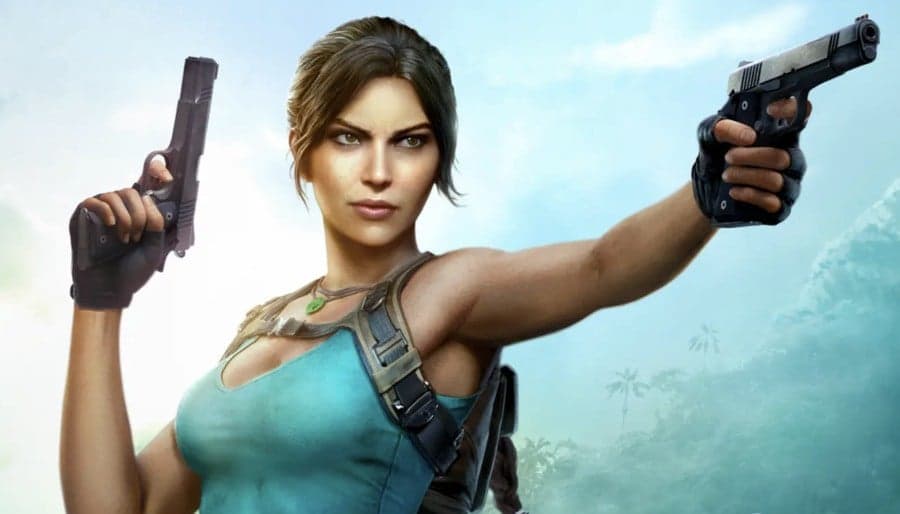
For Nintendo, the relevant shift is practical. Fellowship is expected to center on major franchises and IP including The Lord of the Rings, The Hobbit, Tomb Raider, Kingdom Come: Deliverance, Darksiders, Remnant, Dead Island, and Metro. A cleaner structure could make future publishing, licensing, and IP-adjacent deals easier to negotiate, but it also reorders the people and approvals behind those agreements. That matters to teams balancing release timing, localization schedules, merchandising windows, and platform relations across Japan, North America, and Europe.

The spin-off is also part of a longer breakup already in motion. Embracer said in April 2024 that it would transform into three standalone publicly listed entities. Asmodee separated in February 2025, and in May 2025 Embracer said Coffee Stain Group would be spun off by the end of calendar year 2025 while the remaining business would be renamed Fellowship Entertainment. Embracer’s own materials show why management is still pushing the reset: its FY 2024/25 Q4 net sales fell 6 percent year over year to SEK 5,386 million, even as adjusted EBIT reached SEK 1,077 million.
Embracer says it has more than 400 owned or controlled franchises, while Fellowship is expected to have about 6,000 employees across more than 30 countries. That scale explains why the company has struggled to present one coherent story and why the new structure is meant to simplify a mix of decentralized and partially centralized operations. For Nintendo and its partners, the takeaway is clear: the surrounding ecosystem is still being rearranged, and each new split changes how quickly projects move, how securely IP is managed, and how much confidence external teams can place in the next contract cycle.
Know something we missed? Have a correction or additional information?
Submit a Tip