former NetEase executive launches $100 million game studio fund
Simon Zhu’s new fund pairs $100 million in commitments with veteran-led studios, signaling that game capital is chasing smaller, reputation-backed bets.
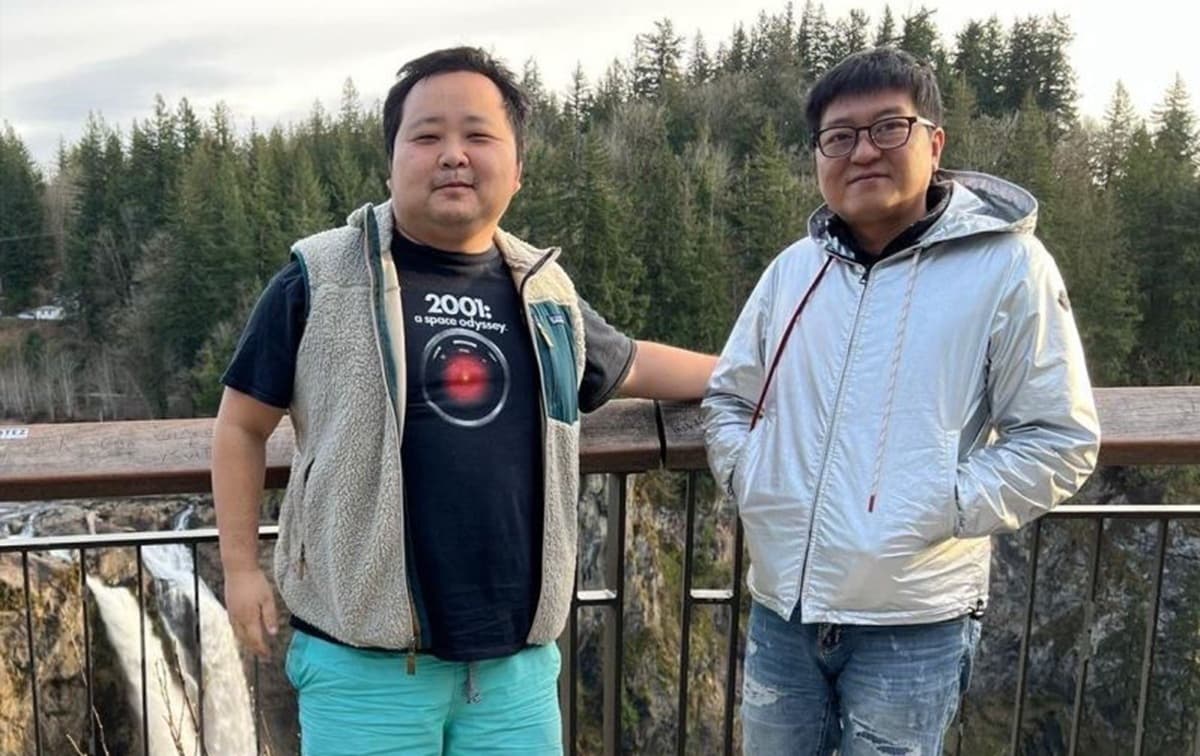
Former NetEase executive Simon Zhu has launched GreaterThan Group with $100 million in funding commitments, and the structure says as much about the market as the money itself. The new holding company is backing multiple studios instead of one oversized bet, with initial partners Arcanaut Studios, BulletFarm and MAGship led by Casey Hudson, David Vonderhaar and Masato Sakai.
GreaterThan Group’s model is built around full funding, end-to-end support, autonomy and co-ownership between the company and each founding team. Bloomberg-summarized reporting said the launch is backed by $40 million in cash and $60 million more in commitments, giving the move real balance-sheet weight rather than just a splashy announcement. For developers watching the market, that mix suggests investors still want premium games, but they want them wrapped in leaner, veteran-run companies that can move faster and de-risk the pipeline.

Arcanaut has already framed the kind of project GTG wants to fund. The studio announced Star Wars: Fate of the Old Republic at The Game Awards 2025, and its own site describes the game as a single-player, narrative-driven action RPG made with Lucasfilm Games and positioned as a spiritual successor to Knights of the Old Republic. Kotaku later reported that Arcanaut’s leadership includes a BioWare-heavy roster, with Casey Hudson joined by veterans such as Ryan Hoyle, Caroline Livingstone, Melanie Faulknor and Dan Fessenden. That is the pattern running through GTG’s launch: recognizable builders are being treated as the asset.
BulletFarm points in the same direction. Insider Gaming reported that David Vonderhaar’s studio is developing a new first-person multiplayer and co-operative experience, and that GTG stepped in after NetEase pulled funding. Vonderhaar spent nearly two decades at Treyarch before leaving Call of Duty in 2023, which makes the studio another example of how experienced operators are being assembled into smaller, independently branded teams rather than folded into large corporate structures.
Zhu’s own history explains why this matters. He announced his departure from NetEase on April 25, 2025 after 12 years there, and Tech in Asia reported that he had overseen global first-party studios and invested in Bungie, Niantic, Devolver and Second Dinner. GameDeveloper also reported in February 2025 that NetEase had laid off hundreds of developers, canceled dozens of projects and pulled back on international investments as CEO William Ding narrowed the company’s portfolio.
For Nintendo, the signal is less about Star Wars than about the wider partner market around it. Nintendo held a Partner Showcase on February 5, 2026 focused on third-party games for Switch 2 and Switch, and its own site continues to maintain a third-party partners page. A funding model that rewards veteran-led external studios can widen the pool of potential collaborators, but it also raises the bar for senior talent, production efficiency and the kind of polished work that still fits Nintendo’s quality-first standards.
Know something we missed? Have a correction or additional information?
Submit a Tip