GameMaker adds Claude Code support, signals AI push for developers
GameMaker pushed Claude Code into its CLI, turning AI into a daily dev tool for querying projects, debugging and managing builds. The runtime shift stretches to 2028.
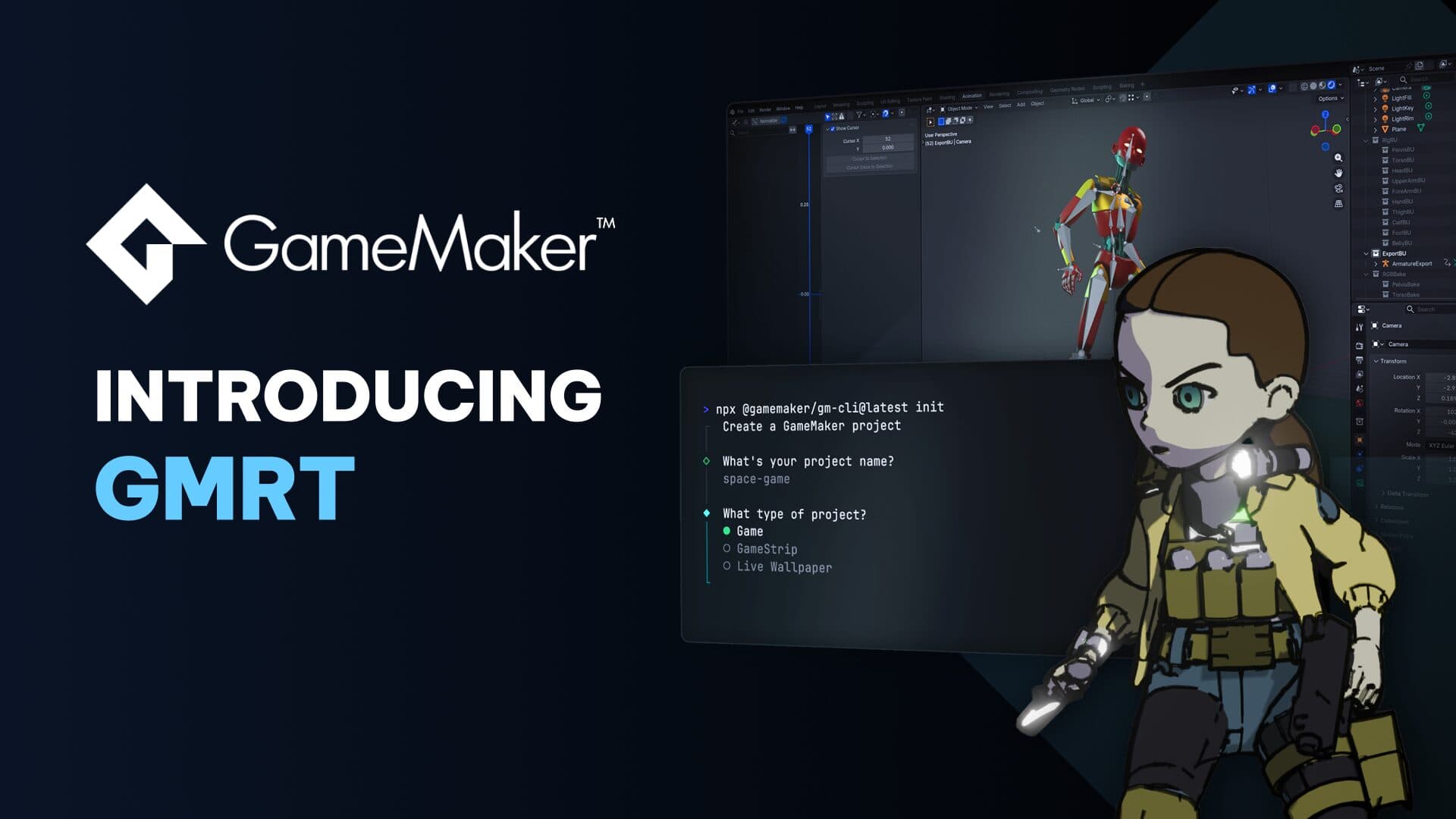
GameMaker is moving AI out of the demo reel and into the terminal. Its new GM-CLI now supports Claude Code, letting developers use natural-language prompts for routine work such as checking project structure, hunting bugs, and managing build configurations, a change that lands directly in the same workflow many studios already use to compile and ship games.
The company announced GMRT and the new command-line tooling on April 30, 2026, from Dundee, Scotland. GMRT is the new runtime and toolchain, built from the ground up to push beyond the limits of the older GMS2 runtime. GameMaker said the command-line system works with both the new runtime and the existing one, which makes this less of a clean break than a staged migration.
That staging matters. GameMaker said its LTS 2026 lifecycle will run through five major releases, starting in May 2026 and ending in early 2028. The legacy GMS2 runtime will keep getting SDK updates and critical bug fixes until at least Q1 2028. For studios balancing live projects, localization work, QA schedules, and franchise deadlines, that runway is as important as the new tech itself.
Anthropic describes Claude Code as an agentic coding system that can read a codebase, make changes across files, run tests, and deliver committed code. It is available in terminal, IDE, web, iOS, and Slack workflows, but GameMaker’s choice to put it into GM-CLI is the bigger signal. The company is not treating AI as a side panel for experimenters. It is folding it into the infrastructure developers already rely on, which is where toolchain changes start to alter expectations about speed, consistency, and documentation.

Russell Kay said GameMaker wants to give users who might benefit from AI the option to use it. That framing will sound familiar inside Nintendo and the wider Nintendo ecosystem, where quality standards, reproducibility, and review discipline matter more than novelty. The immediate value is unlikely to be flashy player-facing AI. It is more likely to show up in faster iteration, cleaner build management, and less time spent on repetitive scripting work.
GameMaker has long supported command-line building, so the Claude Code addition extends an established practice rather than inventing a new one. That is the part to watch. Once AI becomes part of everyday developer tooling, studios will be judged not just on whether they use it, but on whether they can integrate it without weakening the bar for safety, clarity, and polish.
Know something we missed? Have a correction or additional information?
Submit a Tip