Griffin Gaming Partners launches $100 million indie fund for developers
Griffin Gaming Partners put $100 million behind indie studios, and the real test is whether those terms help more games survive long enough to reach Nintendo’s platforms.
A new $100 million indie fund says less about charity than leverage: Griffin Gaming Partners is betting that better financing terms can keep smaller studios alive long enough to become dependable partners for Nintendo’s eShop and other storefronts.
Griffin said the Special Opportunities Fund will finance indie games in exchange for a share of revenue instead of taking equity in the usual venture style. Nick Tuosto, Griffin’s managing director and co-founder, said indie games are “one of the fastest growing segments of the interactive entertainment market” and argued developers need a “flexible, transparent financing solution.” Hooded Horse chief executive Tim Bender will run the fund as managing director.
For Nintendo employees, the important detail is not just the size of the pool, but the kind of studios it is built to favor. Revenue-share financing tends to work best for teams that can already show traction, whether through wishlists, prior releases, publisher relationships, or a clear route to commercial scale. That usually means proven multiplatform operators are more likely to fit than the riskiest one-off creative bets, which could make the fund a stabilizer for mid-tier indies rather than a lifeline for brand-new outliers.
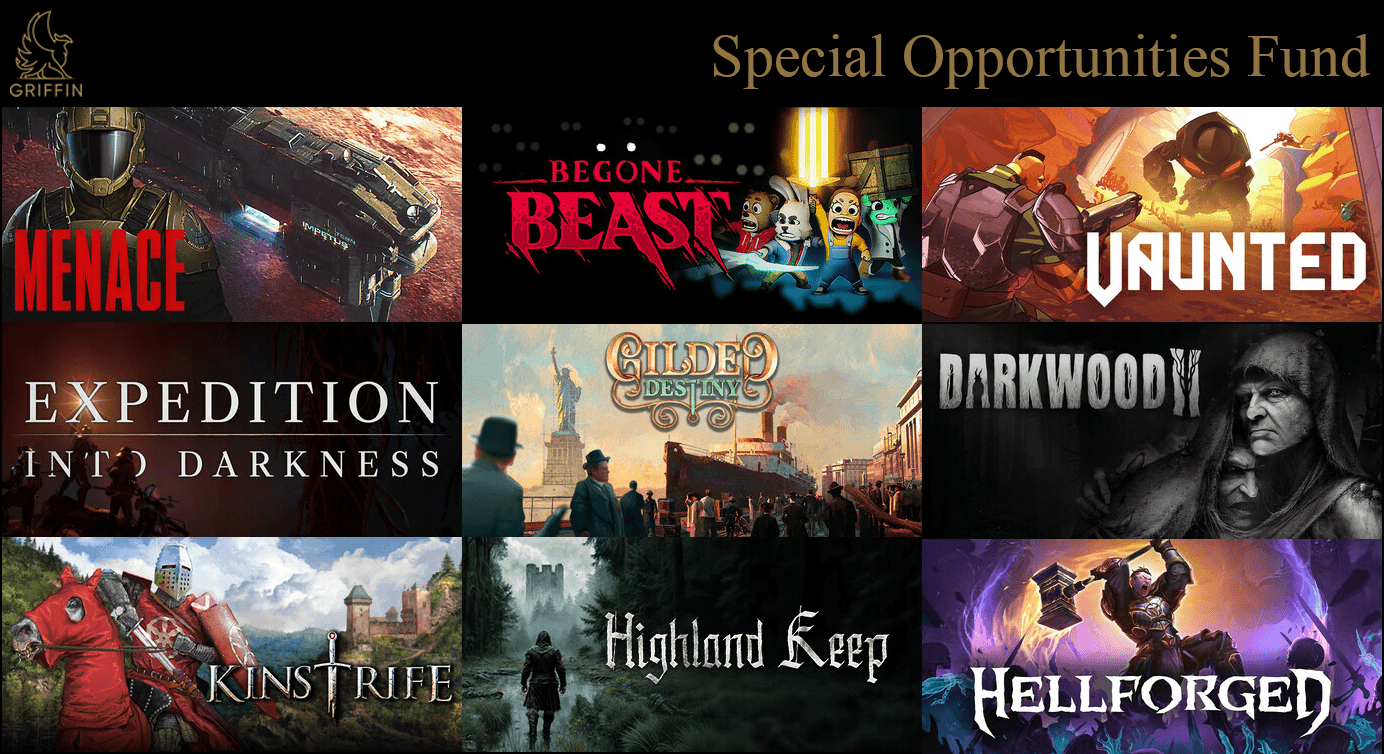
Griffin said the fund had already backed 15 titles, including nine announced projects. Among the named games are Darkwood 2, Hellforged, Vaunted and Menace. Several of the financed projects are self-published or already signed with a publisher, and some are being published by Hooded Horse, a company that says it focuses on strategy, simulation and role-playing games, while providing marketing expertise and development funding. Hooded Horse also says its contracts give developers a fair proportion of revenue from the beginning and avoid 100% recoup terms.
That stance matters because Bender has been one of the sharper critics of older publishing economics. In a 2024 interview referenced by Game Developer, he called recoup clauses “fundamentally stupid,” arguing they can leave studios waiting until publishers recover most or all of their costs before developers see meaningful money. The new fund is a direct answer to that problem: less ownership pressure, more shared upside, and a cleaner path for studios that want to stay independent.
The broader market context helps explain why capital is moving this way. A 2024 VG Insights report said indie games made as much money on Steam as AAA and AA games for the first time, and that indie revenue share had doubled since 2018. GDC Vault materials have also described revenue-based financing, IP licensing and similar structures as part of the modern funding mix, while Outersloth, the indie fund created from Among Us, has funded more than 20 games since 2022.
Nintendo’s own developer portal says studios can self-publish on the Nintendo eShop and set their own price and release date. That makes the health of the indie financing pipeline a platform issue, not just a studio issue. Better capital terms can mean fewer canceled projects, steadier schedules and more polished launches, which is exactly the kind of supply Nintendo’s publishing, QA, localization and merchandising teams need if they want a deeper, more reliable indie catalog over time.
Know something we missed? Have a correction or additional information?
Submit a Tip