How Applicants and HR Navigate Nintendo's Taleo Careers Portal and Openings
Nintendo's Taleo careers portal requires applicants to create profiles, upload CVs and answer required questions, shaping candidate experience and HR workflows.
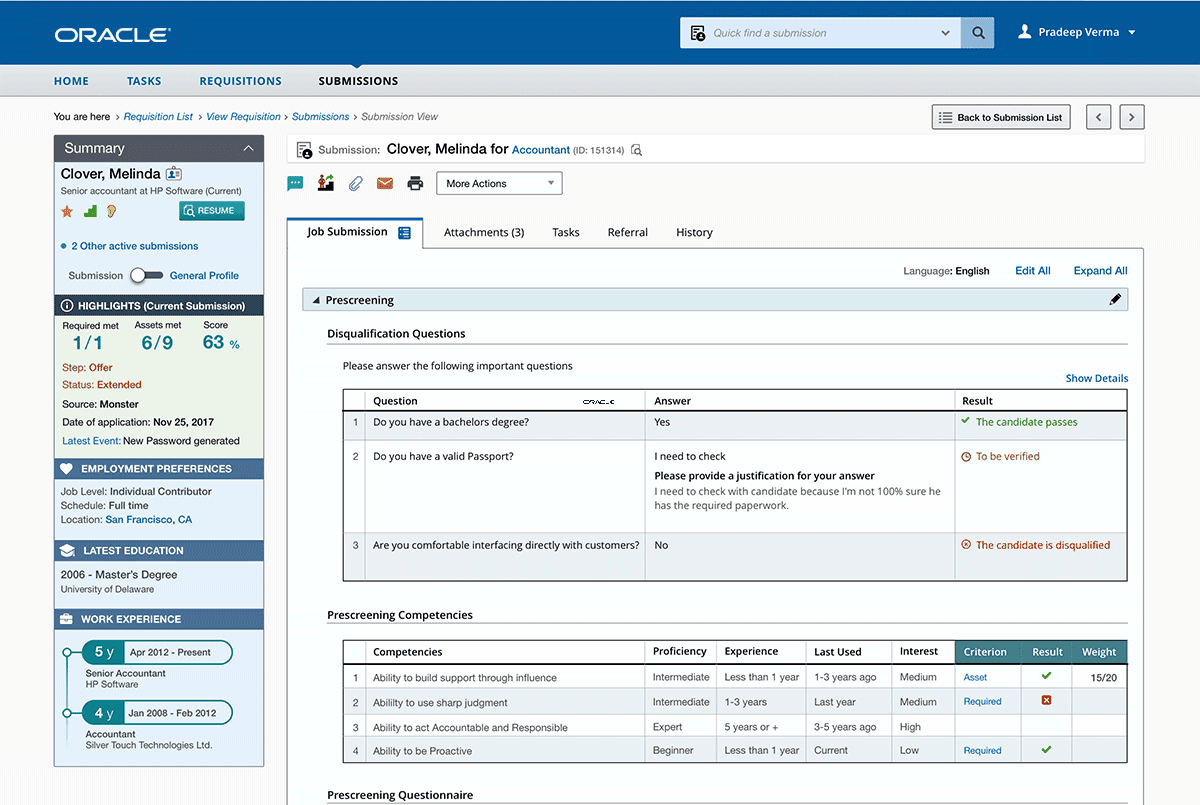
Nintendo relies on a Taleo-hosted careers portal that serves as the central hub where applicants and internal HR teams meet during the hiring process. For jobseekers, the portal is the entry point: candidates create a profile, upload curriculum vitae and supply responses to required questions. For HR, the system aggregates applications, posts openings and tracks candidate movement through the pipeline.
That simple structure matters because it frames how applications are evaluated and how quickly roles move from posting to hire. Applicants who treat the profile as the primary record of their experience, and who complete all required fields and question responses, reduce the chance that a resume will be filtered out automatically. HR teams benefit from standardized submissions that make it easier to compare candidates across requisitions.
The portal also organizes publicly posted roles into broad categories, which helps both external applicants and internal staff find relevant openings. Posting visibility, application requirements and screening checkpoints are controlled within Taleo, so changes to a job posting - such as required competencies or supplemental questions - directly affect who advances in the process. Internal HR users typically manage job requisitions, update status fields and maintain candidate pools within the same environment used to receive external applicants, allowing for an integrated view of all talent under consideration.
For employees considering internal moves, the Taleo workflow often mirrors the external application experience. Profiles already on file can be reused, but completing any additional required responses remains important. That continuity can speed internal mobility when HR has up-to-date candidate records, but it also means internal applicants should treat transfers like fresh applications - updating CVs and tailoring answers to the posted role.
The reliance on a single applicant tracking system has practical implications for workplace dynamics. Hiring managers gain access to a searchable repository of applicants, which can shorten time-to-hire when requisitions are well configured. Conversely, applicants who omit information or skip required questions may find their submissions never reach hiring managers, creating frustration and extra work for recruiters who must chase missing data.
Understanding the mechanics of the Taleo portal is therefore a small but strategic part of job hunting at Nintendo. Applicants who complete profiles and required responses, and who maintain current CVs, improve their odds of being considered. HR teams that fine-tune postings and clarify required fields reduce unnecessary dropouts and speed hiring cycles.
What this means for readers is straightforward: treat the Taleo profile as the canonical application, invest time in required-question responses, and for HR, calibrate postings to balance thorough screening with a smooth candidate experience. Doing so helps both sides level up in the hiring quest.
Know something we missed? Have a correction or additional information?
Submit a Tip