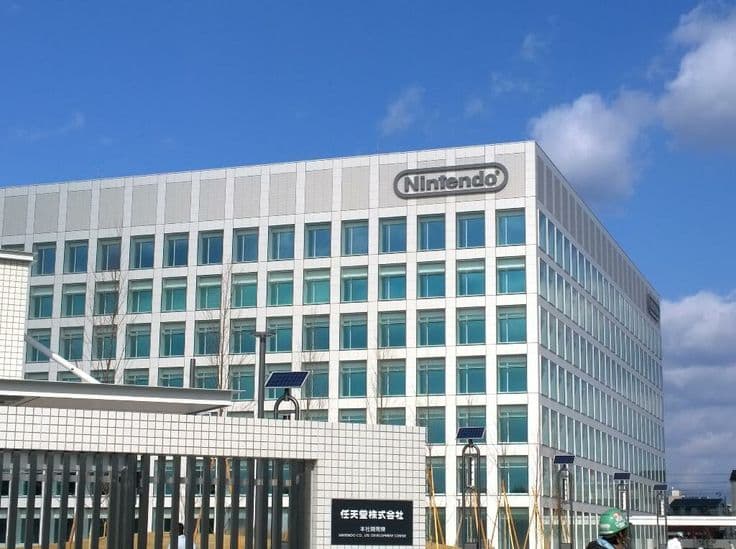
Japan's 2026 labour law boosts customer-harassment duties, names Nintendo
New 2026 labour-law amendments will force employers, including Nintendo, to document policies, reporting channels and employee support to prevent customer harassment.
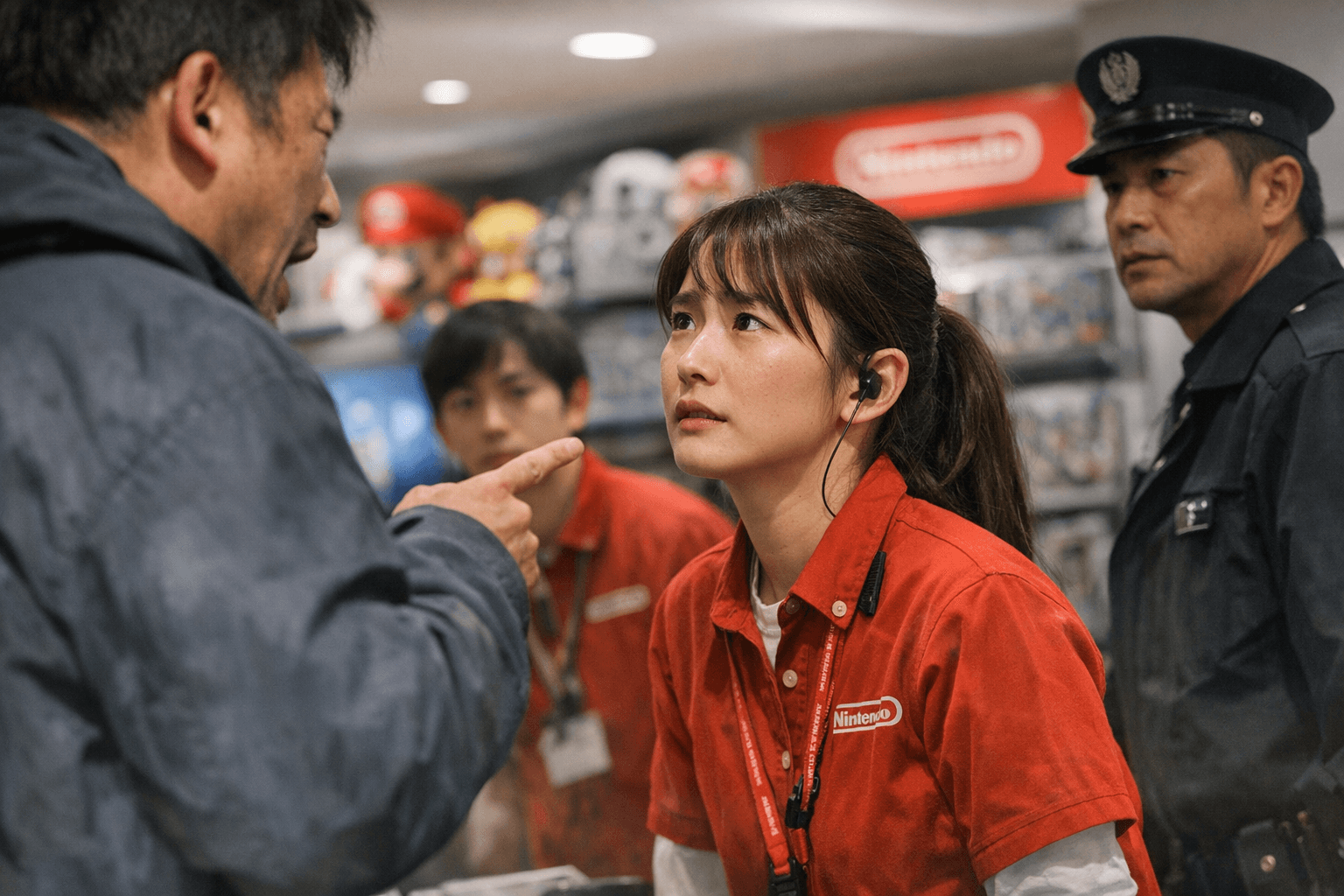
New amendments to Japan’s labour laws will require employers, including large consumer-facing firms such as Nintendo, to take specific, documented measures to prevent harassment by customers and other third parties, according to legal briefings and policy summaries circulating this month. The measures are described as mandatory steps such as internal policies, designated reporting channels and employee support mechanisms rather than optional best practices.
Legal briefings set out the scope contractors and HR teams will need to address. Chambers defines customer harassment as “conduct by third parties, including customers, business partners, or facility users, that exceeds the bounds of socially acceptable behavior and adversely affects employees’ working environment.” A LinkedIn employment-law summary says that “from 1 October 2026, employers will be required to implement measures to protect employees from harassment by customers, business partners, facility users, and other external parties,” extending responsibility to conduct originating outside an organisation.
Timing for compliance is not fully settled in the documents reviewed. A Paul Hastings briefing records that amendments to the Labour Measures Comprehensive Promotion Act and the Equal Employment Opportunity Act were promulgated on June 11, 2025 and “will take effect within 18 months.” Chambers and several other summaries present a tentative effective date of October 1, 2026 for the customer-harassment measures, while a regulatory overview from Kliemt Blog notes phased implementation through 2026 with “certain provisions scheduled to commence in April 2027.” These varying timelines mean employers should watch for final promulgation and MHLW guidance.
The content of employer duties is already described in practical terms. Chambers and LinkedIn say measures should be implemented in line with forthcoming Ministry of Health, Labour and Welfare guidance and may include establishing internal policies for prevention, a designated contact point for affected employees, and appropriate support and reporting channels. Prism News and Gaijinpot highlight the requirement for documented measures, and Paul Hastings adds that the amendments “impose an explicit obligation on all employers, regardless of size or sector, to take necessary employment-management measures to prevent customer harassment and sexual harassment toward job applicants.”
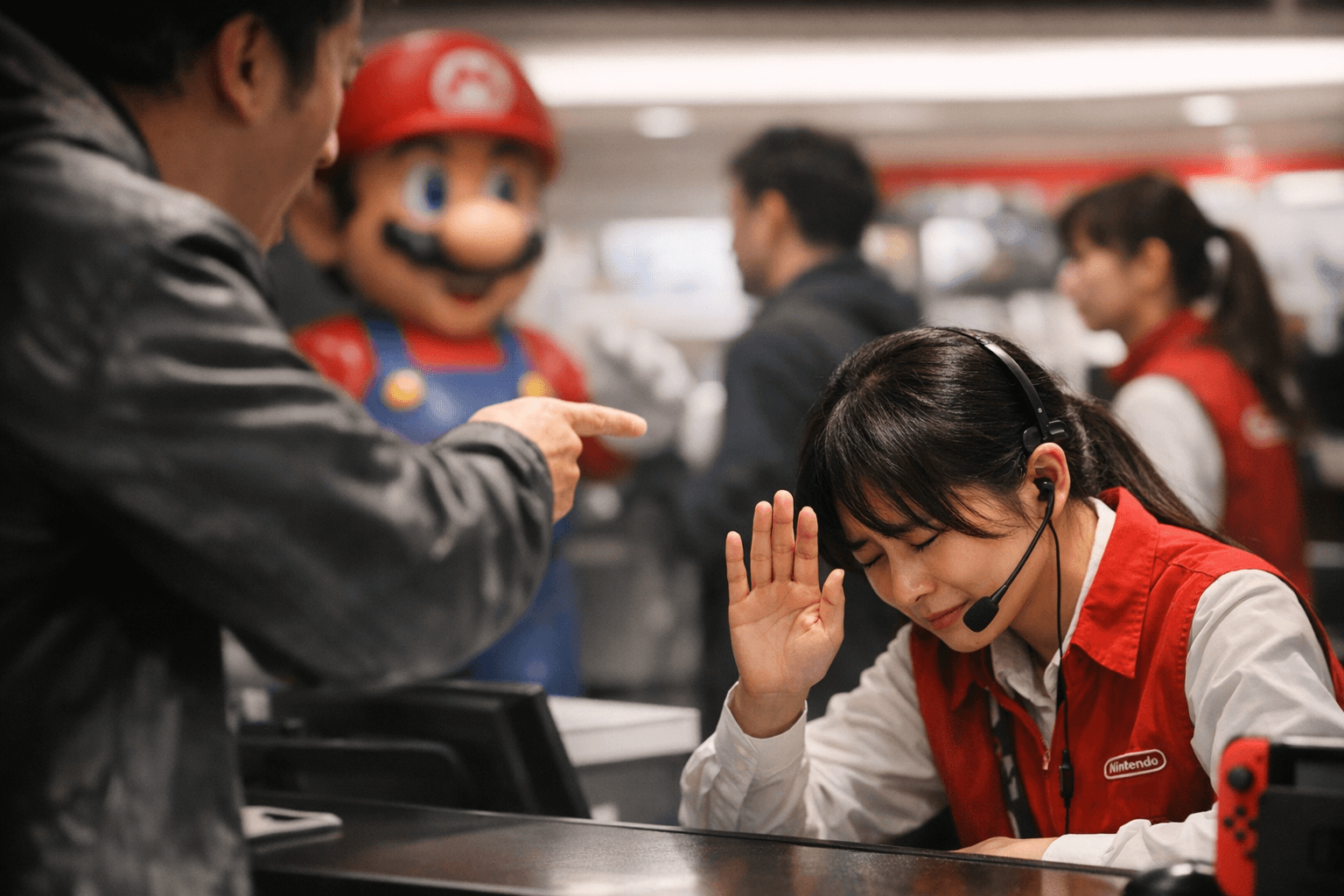
The reforms sit alongside other labour-law changes employers must track. Chambers flags an April 1, 2026 requirement for workplace adjustments for senior workers, expansion of stress-check requirements, and new protections and obligations covering sole proprietors and contractors. LinkedIn describes March 2026 amendments to the Trade Union and Labour Relations Adjustment Act, the so-called “Yellow Envelope” reform, which narrows employers’ ability to claim damages in industrial action and broadens union rights.
Industry impact will be concentrated in consumer-facing sectors. Gaijinpot’s summary, headlined “The Customer is No Longer God,” singles out retail, hospitality and call centers where staff traditionally endured abusive behaviour and says “Employers can no longer treat harassment as a personal problem.” With Nintendo explicitly named among large consumer-facing firms in policy summaries, HR, legal and store operations teams across gaming, retail and service sectors will need to align procedures and documentation with MHLW guidance once it is published.
One legal briefing cautions employers on the wider implications: “If enacted, these measures would substantially reshape Japan’s working time regulation framework and compliance obligations and so employers should remain vigilant to any further developments and amend their existing policies and practices accordingly.” Firms should therefore monitor the official texts and MHLW guidance to confirm final effective dates, statutory language and the practical reporting and support standards they will be expected to meet.
Know something we missed? Have a correction or additional information?
Submit a Tip