Japan's Spring Wage Talks Set 5.26% Pay Benchmark, Raising Salary Expectations
Japan's 5.26% wage benchmark, set March 23, could add ¥12,000–¥31,000 a month for Nintendo staff in Kyoto and Tokyo, pressuring the next salary review cycle.
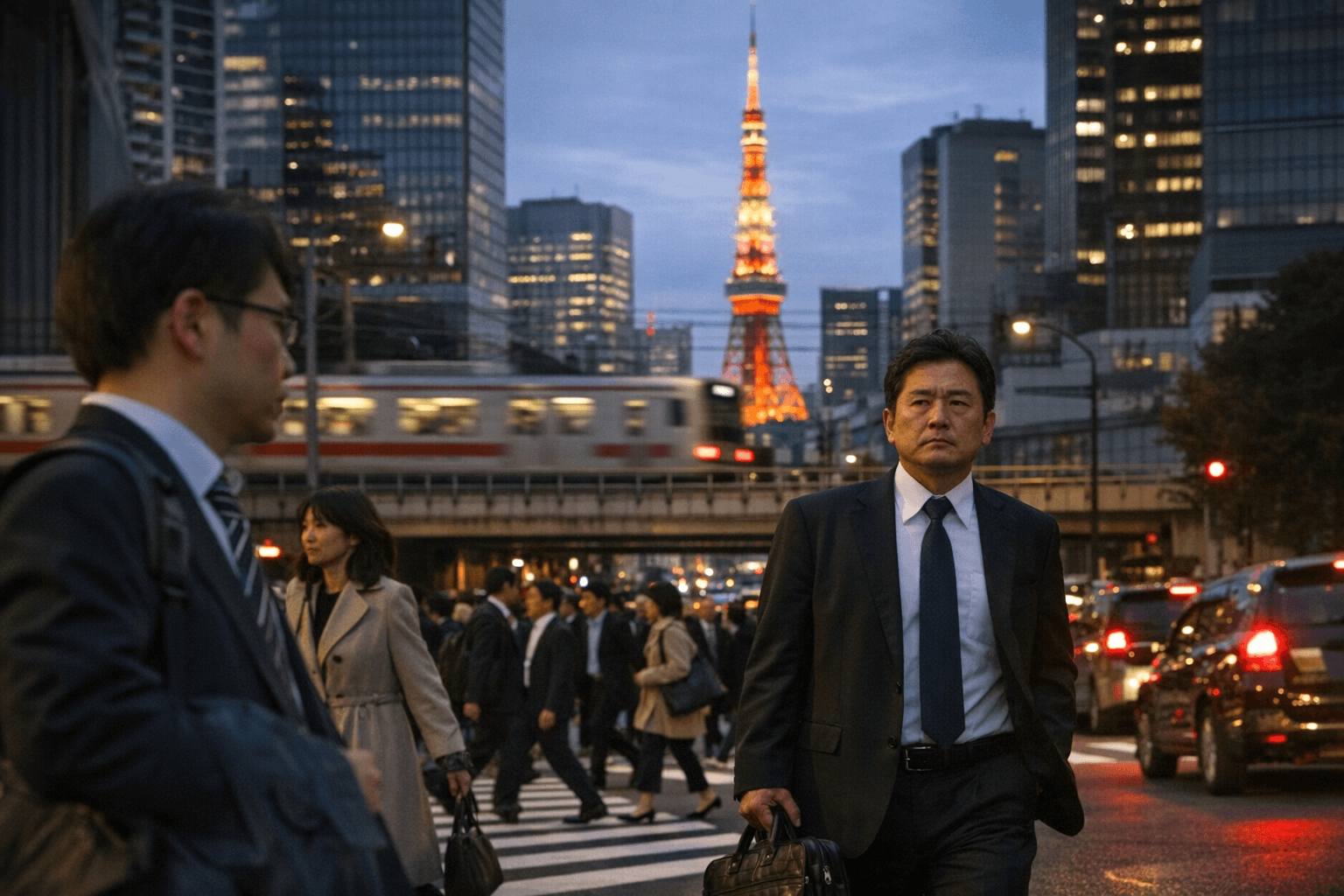
Rengo, Japan's largest trade union confederation, posted a 5.26% average wage offer from the country's spring shuntō negotiations on March 23, marking the third straight year the benchmark has landed at or above 5% and setting the reference number that Nintendo's Kyoto and Tokyo employees will now measure every upcoming pay review against.
The figure translates directly onto monthly pay stubs in ways that are already shaping internal conversations. A new university graduate entering Nintendo at the typical large-company technical starting rate of roughly ¥230,000 a month would see that national benchmark imply about ¥12,000 in additional monthly income. A mid-career engineer at around ¥470,000 monthly sits at roughly ¥24,700 more at the 5.26% line. A senior designer or localization lead earning closer to ¥600,000 monthly could point to approximately ¥31,500 in expected gains. None of those increases are guaranteed by any individual employer, but all of them are now credible data points for anyone walking into a salary conversation this spring.
The Rengo tally covers many large and medium companies and was produced from the mid-March yamaba, the traditional peak stage of union-management negotiations when major manufacturers settle. The weighted average includes a base-pay component of roughly 3.85%, with the remainder coming from seniority-linked adjustments. Analysts cautioned that the preliminary figure will shift as more companies file results through April, but compensation teams at large employers are already using it to pressure-test their planning assumptions.
For Nintendo, the shuntō result arrives at a moment when the stakes of retaining technical talent are unusually high. The company has stated publicly it is focused on Switch 2 development, concentrating engineering and design resources in Kyoto. Real-time 3D engineering and AI-assisted graphics work, both central to next-generation hardware and software pipelines, are exactly the specialties where global demand outpaces supply. A national wage environment that has now sustained 5%-plus momentum for three consecutive years raises the floor for what competitive retention looks like, not just for new hires but for the mid-career and senior employees who carry institutional knowledge of Nintendo's internal development practices.
The shuntō result also matters for the 3.85% base-up figure specifically. Base salary increases compound differently than bonus adjustments; they reset the floor for future raises, overtime calculations, and retirement benefits under Japanese labor norms. An employee who receives only a bonus bump without a base-up is in a structurally weaker position the following year.
Nintendo's People and Culture teams in Japan will need to communicate clearly about whether the company intends to match, partially match, or explain its approach relative to the market. Roles tied to Switch 2 production, localization for global IP launches, and any studio partnerships will be the first tests of that position. Consumer electronics and major publishers across the sector settling at or above the Rengo line through April will steadily raise the pressure on every large employer in the games industry that has not yet announced its own number.
The 5.26% figure is not a contract. But after three years in the same range, it is close enough to a floor that any meaningful departure from it will require an explanation.
This article was produced by Prism’s automated news system from verified source data, official records, and press releases, then run through automated quality and moderation checks before publishing. The system is built and supervised by the people who set the standards it runs under. Read our full AI policy.
Did this article answer your question?
