Mindtail raises $2 million to build AI-native game production model
Mindtail raised $2 million to build an AI-native pipeline, betting on faster art and level design. The Istanbul studio also plans to triple its team and ship its first game soon.
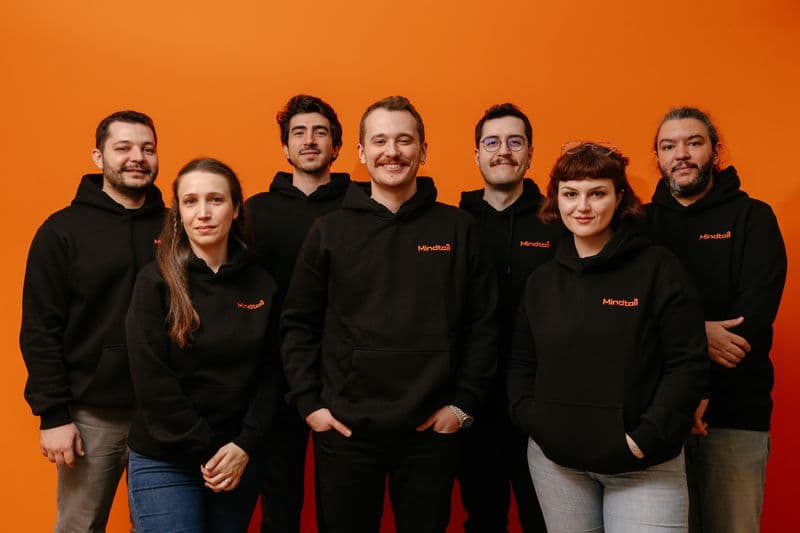
Mindtail’s $2 million pre-seed round is a small check by game-industry standards, but it points to a much bigger shift in how studios are trying to build games. The Istanbul-based mobile studio, which is focused on hybrid-casual puzzle titles, says the money will help it develop an AI-native production model as it prepares to triple its team and announce its first game soon.
APY Ventures led the round, with Inveo Ventures and Ak Portföy GSYF also participating. APY Ventures said Mindtail is redesigning its art and level design pipelines around AI-native architecture, and it named Ece Özgüle as art director. That focus matters because it shows where investors think AI can move first: not into replacing whole teams, but into compressing the most repetitive parts of production.
The founding team, R. Tamer Özgen, Umut Yıldız, Sarper Karabağ and Doğuşcan Öztürk, comes with experience from Dream Games, King, Tactile Games, Ace Games and Codeway. Their background includes work on Royal Match, Royal Kingdom, Lily’s Garden, Candy Crush Soda and the Braindom series, games that reached massive audiences and depended on disciplined production, frequent iteration and tight live balancing. That history gives Mindtail credibility in a segment where scale and speed already matter.
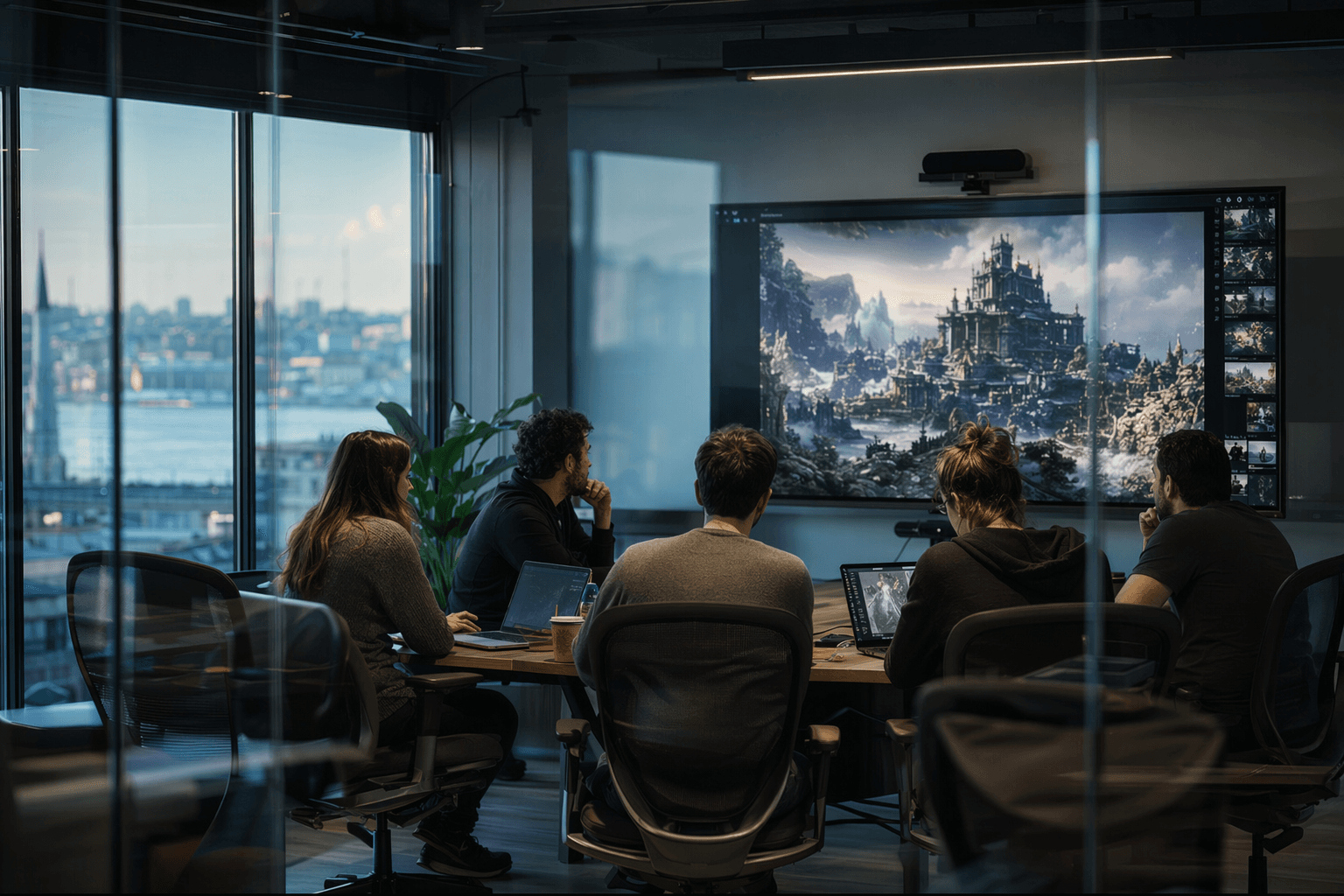
For Nintendo employees, the more useful question is not whether AI will enter development, but which workflows it is likely to touch first. Mindtail’s pitch suggests the earliest pressure points are asset iteration, level design and, eventually, production support around live-ops content. QA and localization could also feel the effect if more studios use AI to generate variants faster, but those jobs still depend on human review when consistency, tone and franchise identity matter.
Nintendo of America president Doug Bowser said in April 2025 that AI is not the only way to develop games and stressed that Nintendo believes in a human touch in development, while leaving room for AI when it improves productivity. That tension now defines the wider market. Studios like Mindtail are raising money on the idea that AI can sit inside the production stack itself, but Nintendo’s quality-first culture still depends on human judgment to decide what should ship, what should be cut and what should never be automated away.
Know something we missed? Have a correction or additional information?
Submit a Tip