Miyamoto says Nintendo is moving Peach beyond damsel-in-distress roles
Miyamoto acknowledged criticism of Peach as a rescue-only character and signaled Nintendo is recasting her as an active hero across games and films.
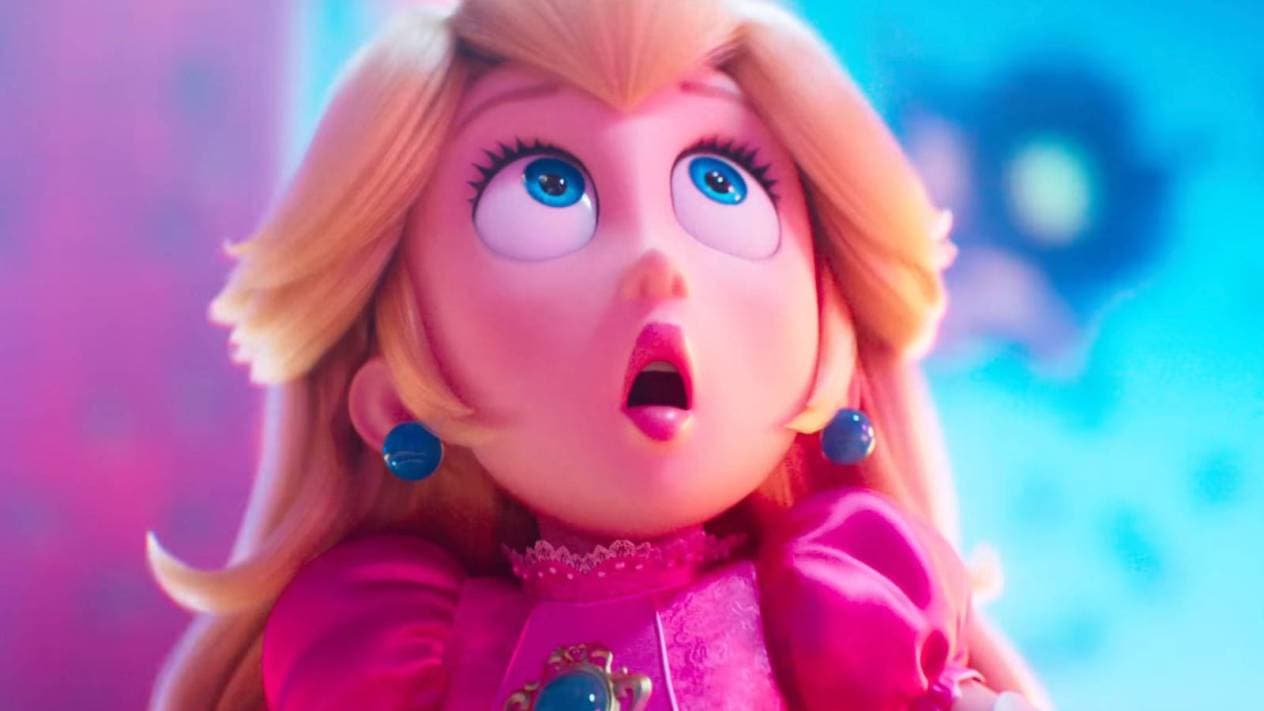
Shigeru Miyamoto has now said out loud what Nintendo fans and critics have argued for years: Princess Peach should not be defined only by rescue scenes. His comments land as Nintendo’s most visible creative voice responds to a long-running critique that has shadowed the Mario franchise since Peach was introduced in the 1985 Super Mario Bros. on NES as the character Mario rescues.
The shift is already visible in Nintendo’s own recent work. In Super Mario Bros. Wonder, the company describes Peach as “always ready to jump into action,” and she is one of the playable heroes rather than a passive target to be saved. Nintendo pushed that idea further with Princess Peach: Showtime!, released for Switch in 2024, where Peach takes the lead and is tasked with saving Sparkle Theater from the wicked Grape and the Sour Bunch. For developers inside Nintendo, that is more than a character tweak. It shows a franchise that is trying to keep its legacy intact while giving its central figures more agency for a new generation.
The same change carried into film. Nintendo’s 2023 Super Mario Bros. Movie, made with Illumination and Universal Pictures, portrayed Peach as an active fighter and leader instead of a captive waiting for Mario to arrive. That version of the character matched the direction Nintendo had already started to show in games, suggesting a coordinated brand evolution rather than a one-off adjustment for the screen.
That matters because Peach has long been one of Nintendo’s most recognizable symbols, even when she was overlooked in the very stories that made her famous. Critics and commentators have been discussing the damsel-in-distress trope in Mario and Nintendo games for more than a decade, and outlets have repeatedly noted how Miyamoto’s work helped cement that pattern across decades of Mario, Donkey Kong and Zelda games. The new framing does not erase that history. Instead, it shows Nintendo choosing to evolve its characters without pretending the old portrayals never existed.
For a company built on continuity, that kind of change is strategic. It gives Nintendo more room to expand Peach as a playable hero across games, film and merchandising, while keeping the character tied to the franchise legacy that made her instantly recognizable in the first place.
Know something we missed? Have a correction or additional information?
Submit a Tip