Night Street Games begins layoffs after Last Flag misses expectations
Night Street Games has started layoffs after Last Flag fell short, a reminder that celebrity backing and a smooth launch do not guarantee a durable game business.
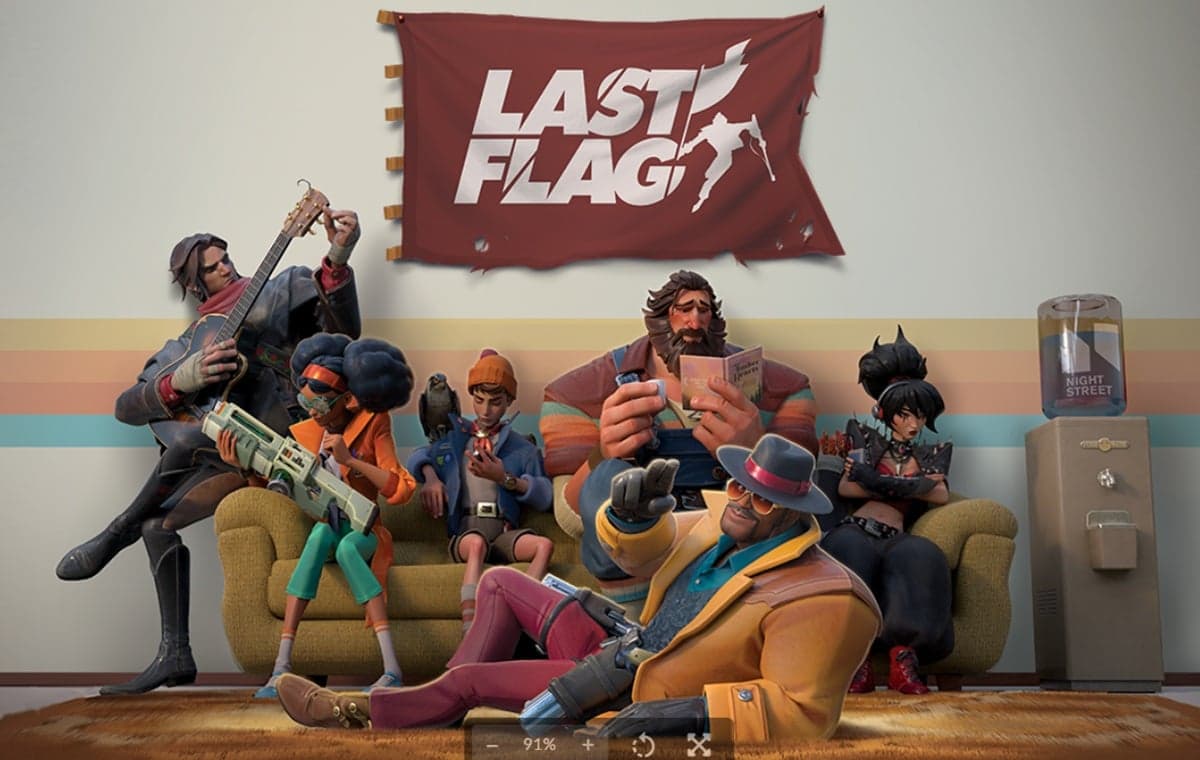
Night Street Games has begun laying off staff after Last Flag failed to generate the financial results the studio needed to keep building beyond planned patches. The cutbacks landed barely a month after the game launched on April 14, underscoring how quickly a multiplayer title can go from public debut to pressure on payroll.
The studio had already signaled trouble in a May 1 blog post, saying Last Flag’s player count was not high enough to support additional development. Night Street executive producer Jonathan Jelinek later confirmed on LinkedIn that some “exceptionally talented developers” were affected and said he would share profiles of workers looking for new jobs. Night Street did not disclose how many employees were laid off. Jelinek also said the game had a “very smooth launch from a technical perspective,” a reminder that stability at release does not always translate into the audience size needed to sustain production.

Last Flag had entered the market with some momentum. The game was announced at Summer Game Fest on June 6, 2025, as a 5v5 third-person capture-the-flag shooter with a 1970s-inspired game-show theme, and the studio said each match would run 20 minutes or less. Mac Reynolds described the design approach as “fun first, competitive second.” Even so, by the time of the layoff news, the title’s Mostly Positive Steam rating across 475 reviews had not been enough to offset weak player numbers and revenue.
The studio’s backers helped give Last Flag a higher profile than most small multiplayer projects. Night Street Games was co-founded by Imagine Dragons frontman Dan Reynolds and his brother Mac Reynolds, who manages the band. Dan Reynolds has also had a long gaming track record, with Imagine Dragons previously tied to Assassin’s Creed III trailers, Infinity Blade III, Nintendo’s Switch launch campaign in 2017 through “Believer,” and Riot Games and Netflix’s Arcane through “Enemy.”
For Nintendo employees watching the wider business, the lesson is familiar: attention is not the same thing as durability. A recognizable name can help a project break through, but sustainable production still depends on scope discipline, milestone control, and a market fit strong enough to carry development after launch. That is the same logic behind Nintendo’s cautious approach to partnerships and IP management, where the goal is not just to create a splash, but to protect a brand over years, not months.
Know something we missed? Have a correction or additional information?
Submit a Tip