Nintendo cites market shifts as Switch 2 pricing pressures mount
Nintendo's price revision showed memory and supply costs were shaping Switch 2 strategy, not just retail math.
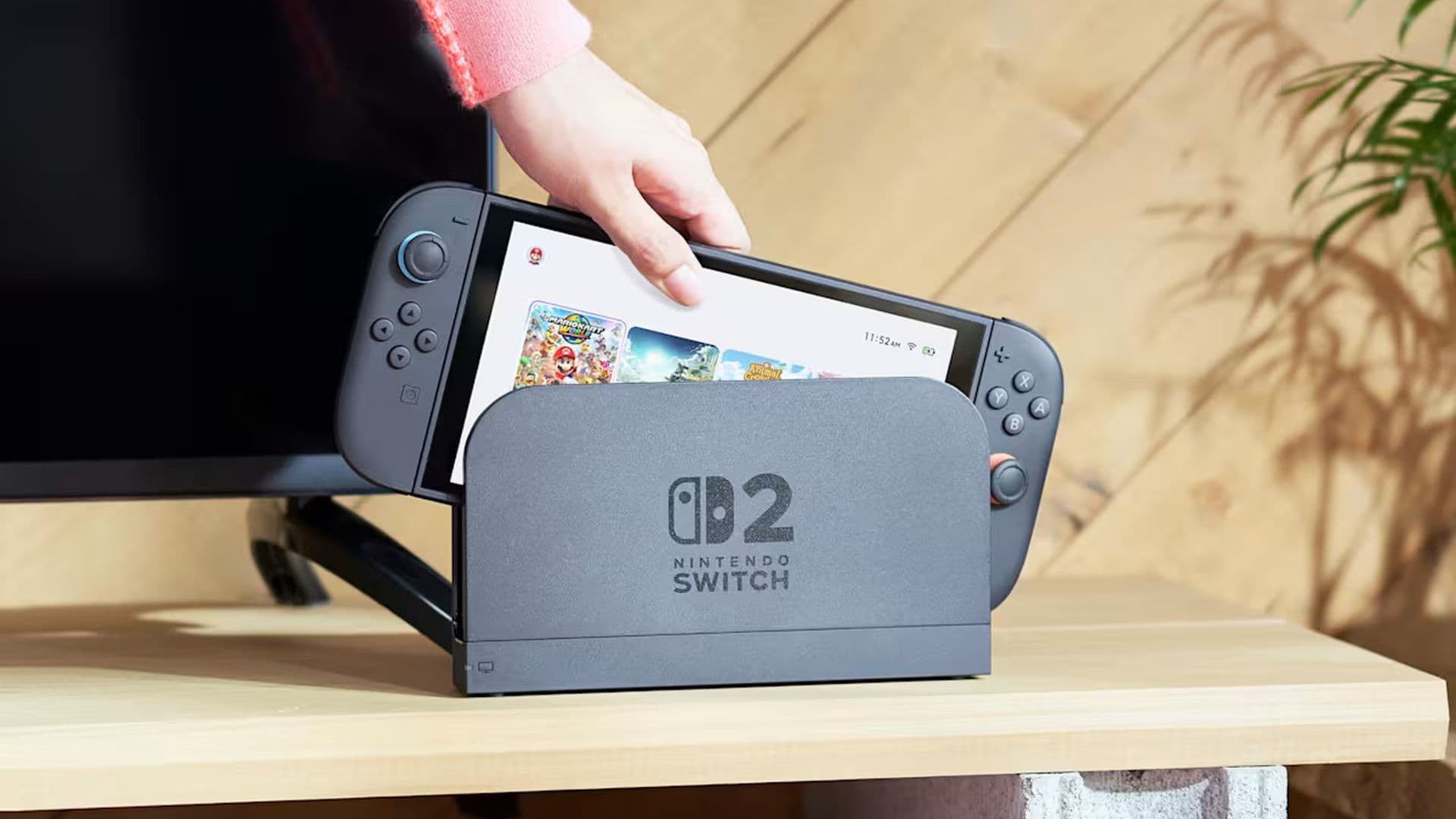
Nintendo’s Switch 2 pricing was no longer just a sales decision. President Shuntaro Furukawa tied the revisions to changing market conditions, and the pressure point sat deep in the hardware stack: memory shortages, driven in part by heavy AI infrastructure investment, were squeezing profitability and forcing the company to treat component cost as a strategic constraint.
On May 8, Nintendo said it would revise prices for Switch 2, Switch and Nintendo Switch Online in Japan, with additional regional changes planned elsewhere. That was the clearest sign yet that the company’s pricing model was moving with the supply chain, not around it. When memory gets tighter and more expensive, the effect reaches beyond the sticker price. It changes what Nintendo can promise, how it plans inventory and how far ahead it can forecast launches.

For hardware, business and finance teams, the implication was immediate. Bill of materials calculations, launch planning and inventory strategy all became more sensitive to swings in component cost. A price change at the retail level can now reflect a deeper recalibration of what Nintendo expects to pay for the parts inside the machine. That means the people building forecasts, setting margins and deciding how much hardware to ship have to work from a more volatile cost base than the company preferred in earlier console cycles.
The pressure also spills into product and marketing work. In regions where the console is still building momentum, Nintendo has to explain value carefully while holding its quality-first identity intact. That is especially important when the company is adjusting not just hardware pricing but also service pricing through Nintendo Switch Online. The message to consumers has to stay consistent across Japan and any other region where changes follow, which puts a premium on tight coordination between leadership, sales, retail partners and support teams.
For engineering and operations staff, the broader lesson is simple: consumer hardware is competing for the same memory supply as the AI buildout reshaping the rest of tech. That competition can reach all the way into launch bundles, subscription strategy and the way Nintendo frames its platform to buyers. For a company known for conservative execution and polished hardware, the pricing revision showed how quickly macroeconomic pressure can move from procurement into core product decisions.
This article was produced by Prism’s automated news system from verified source data, official records, and press releases, then run through automated quality and moderation checks before publishing. The system is built and supervised by the people who set the standards it runs under. Read our full AI policy.
Did this article answer your question?
