Sega lowers games-as-a-service priority, bolstering Nintendo's premium focus
Sega moved more than 100 staff out of GaaS as Rovio impairment losses hit ¥31,380 million, sharpening Nintendo's premium case.

Sega’s decision to lower the priority of games-as-a-service titles after reviewing its medium- to long-term plans gave Nintendo a fresh outside example of how quickly a live-service bet can be reversed. Sega said on May 12 that more than 100 employees were moved from its GaaS side into full game development, a concrete sign that the company was rebalancing its talent after weak free-to-play performance, the cancellation of its Super Game initiative, and a steep hit tied to Rovio.
The financial pressure was just as visible. Sega Sammy Holdings said its Entertainment Contents Business recorded impairment losses on Rovio Entertainment Ltd. goodwill and other intangible assets of ¥31,380 million, with Rovio underperforming expectations. That kind of write-down matters inside a studio group because it changes not only the product roadmap but also where teams are staffed, how leadership defines success, and which skills are rewarded. When a company shifts away from always-on monetization, production, live-ops, and free-to-play expertise can lose status fast, while traditional full-game development becomes the growth lane again.
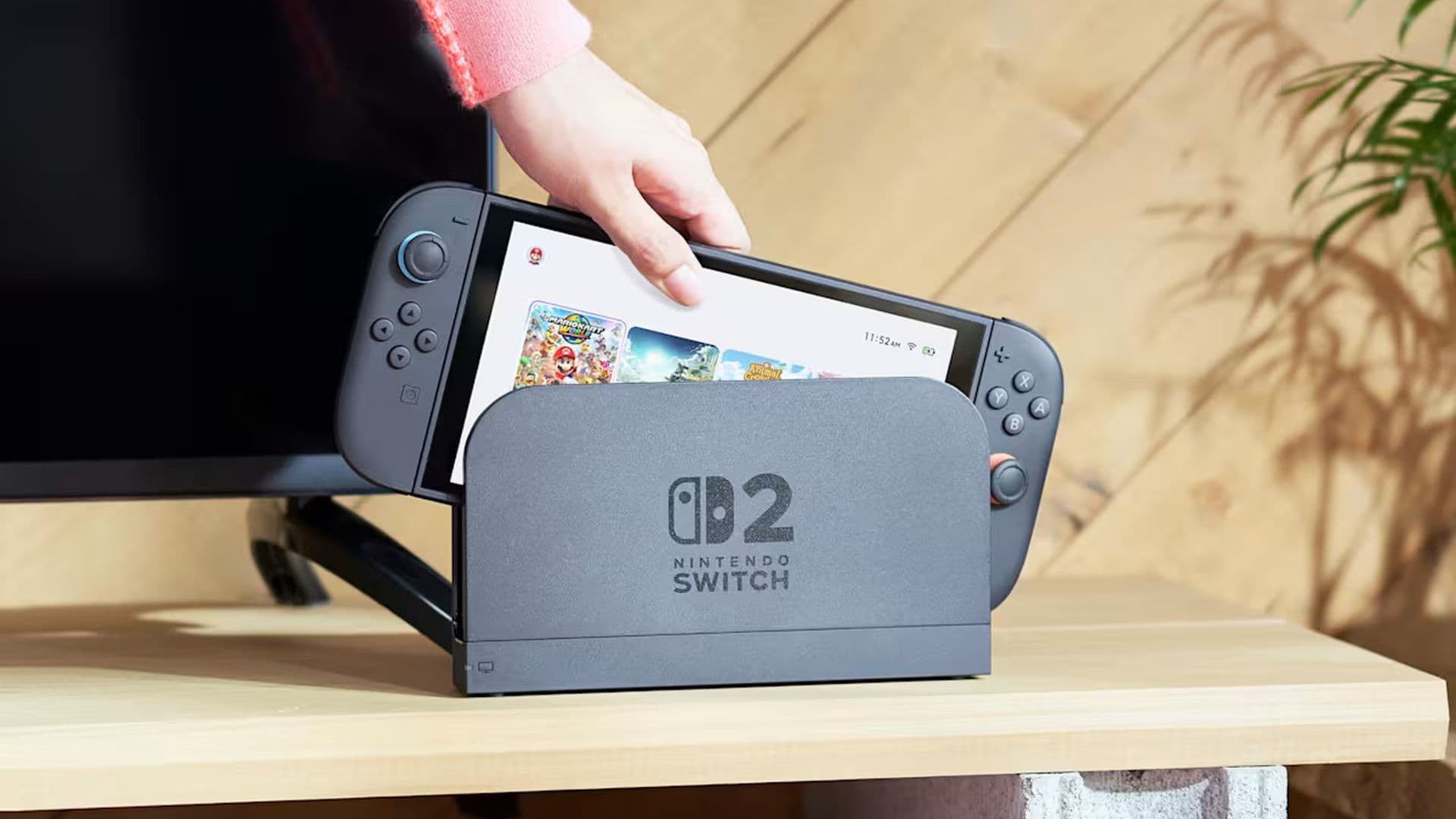
For Nintendo, the contrast reinforces a strategy it has been signaling for years. Nintendo Co., Ltd. said in its FY2025 annual report that its fundamental strategy is to expand the number of people who have access to Nintendo IP in order to invigorate its dedicated video game platform business. President Shuntaro Furukawa also said on May 8, 2025 that Nintendo Switch 2 sales plans were built around first expanding the hardware base and then continually releasing new titles. That is a title-first model, not a live-service-first one, and it places more weight on polished launches, franchise stewardship, and a steady cadence of premium releases.
Nintendo’s own recent decisions fit that pattern. Service for Animal Crossing: Pocket Camp ended on November 28, 2024 at 7:00 AM PT, and Nintendo replaced it with a paid offline version, Animal Crossing: Pocket Camp Complete. The company also reported 24 million-selling titles in FY2025, while Mario Kart 8 Deluxe sold 6.23 million units in that fiscal year and reached 68.20 million lifetime sales. For developers, designers, QA testers, localization staff, and business teams, those numbers point to a durable planning advantage: evergreen IP can support years of work without the volatility, staffing whiplash, and performance pressure that now shadow parts of the GaaS market.
Know something we missed? Have a correction or additional information?
Submit a Tip