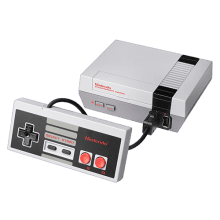
Nintendo clarifies hiring rules, says game industry experience is not always required
Nintendo now spells out what applicants usually have to guess: no blanket age or credential limits, no multiple simultaneous applications, and a one-year wait to try again.
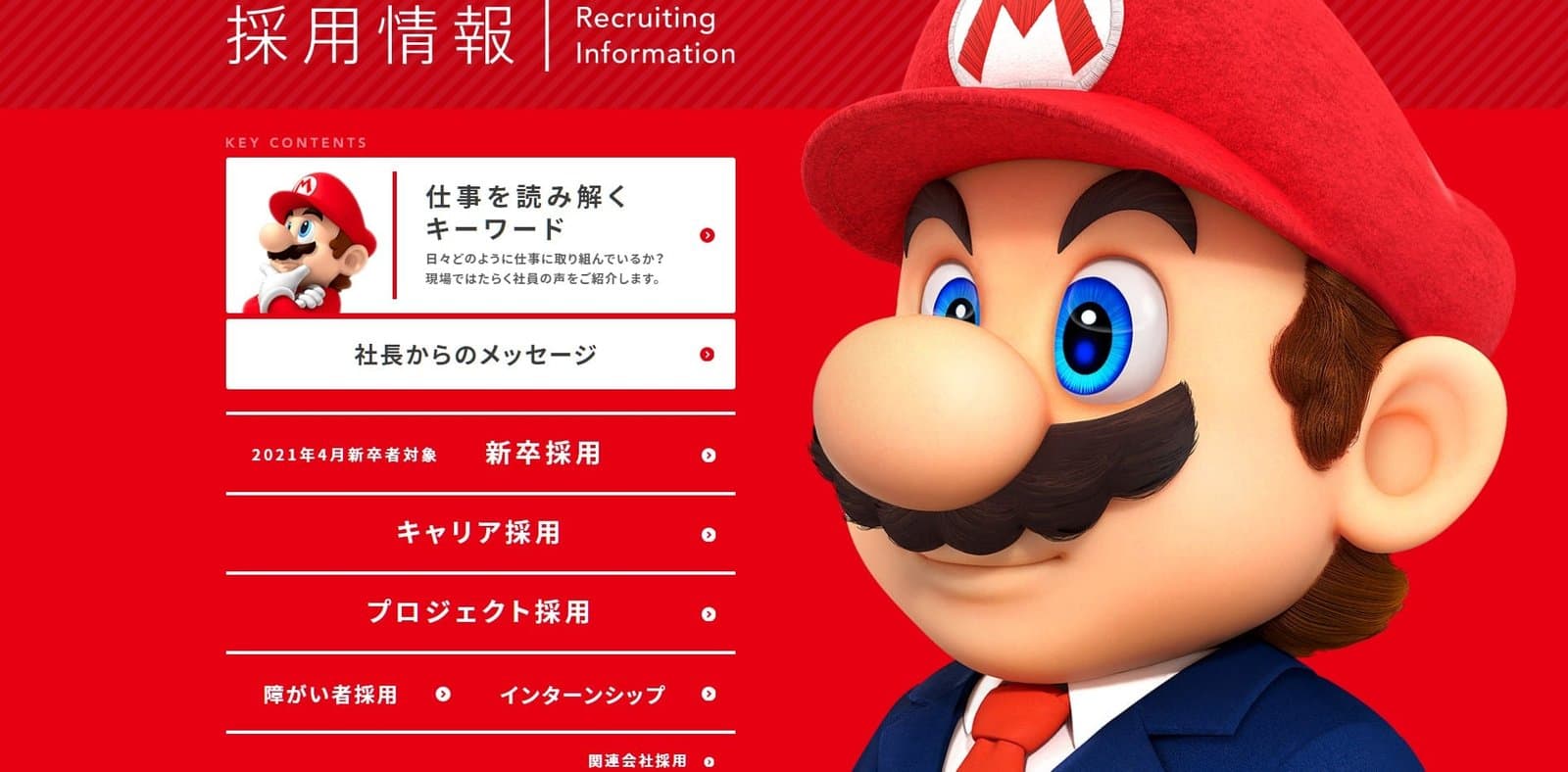
Nintendo is making the application process unusually explicit, and one of its clearest signals is that prior game-industry experience is not required for every role. The company says there are no special age or qualification limits, and that candidates are screened by role-specific career history and specialization, a practical opening for people coming from software, finance, HR, legal, marketing, localization or production.
The rules around timing are just as specific. Nintendo says applicants should not submit multiple roles or offices at the same time because simultaneous selection is not done, and unsuccessful candidates should wait one year before reapplying. Interviews are held on weekdays, start dates can be discussed, and the company says it handles personal data strictly for hiring purposes. Its Japan career pages also say applicants should apply through the website, that results are sent by email in about one month, and that openings disappear when filled and are added when new jobs post.
For candidates, that removes a lot of the guesswork that usually surrounds major employers. Instead of spraying applications across regions or trying to reverse-engineer what the company wants, Nintendo is telling people to pick the strongest fit, prepare carefully, and move deliberately. That is a small but meaningful difference in a hiring market where many applicants waste time on roles that were never realistic matches in the first place.

The same clarity shows up in Nintendo’s broader employee policies. Its Japanese career Q&A says many employees use maternity, childcare and elder-care support, and that the company offers a flexible benefits system covering housing, childcare and elder care, health promotion and self-development. Nintendo also says it hires regardless of age, gender, nationality, disability, sexual orientation, gender identity, marital status and other background factors. Its human-rights policy was adopted by a Board of Directors decision after advice from external experts, and it is built into conduct manuals, onboarding and training.
The numbers behind the company help explain why the process is so measured. Nintendo’s 2026 annual report, covering the fiscal year ended March 31, 2026, said the company had 5,938 permanent employees in Japan, North America, Europe and Australia, up from 5,630 the year before. Average continuous employment in Japan was 14.6 years, with turnover at 2.3% in Japan, 4.0% in North America, 5.7% in Europe and 16.2% in Australia. For a company that depends on long development cycles and tight quality standards, the hiring page reads less like a gate and more like a filter built to reward fit, patience and precision.
This article was produced by Prism’s automated news system from verified source data, official records, and press releases, then run through automated quality and moderation checks before publishing. The system is built and supervised by the people who set the standards it runs under. Read our full AI policy.
Did this article answer your question?