Nintendo designers rely on living game documents to keep teams aligned
Nintendo teams move faster when design docs stay short, searchable, and current. A living GDD cuts meetings, speeds handoffs, and protects quality across languages and departments.
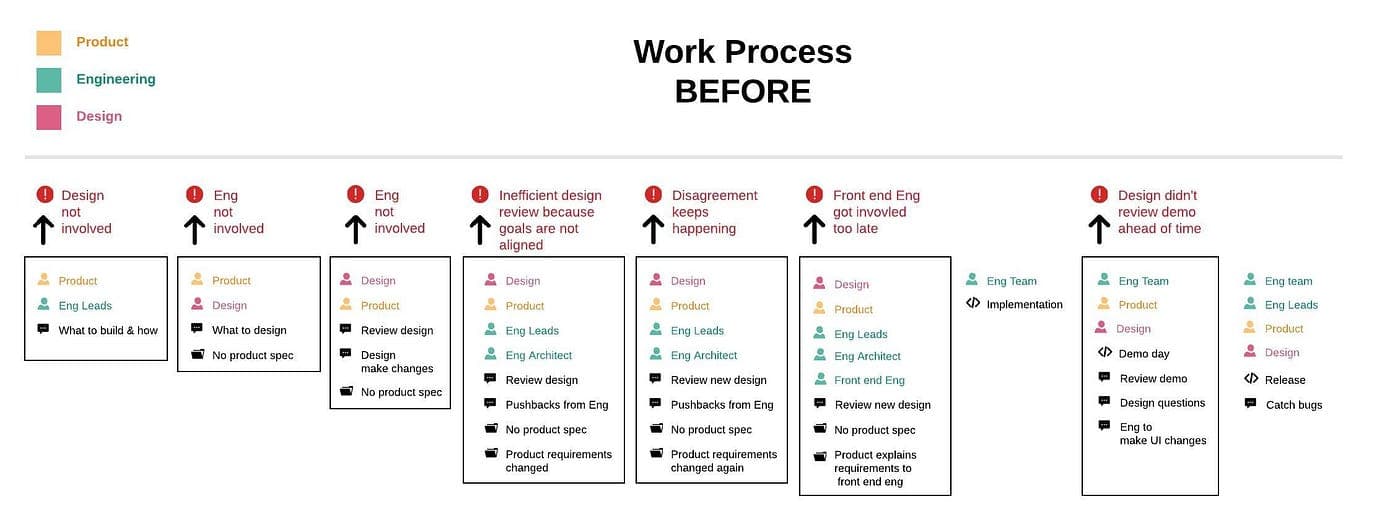
The fastest way to bog down a Nintendo project is to let its design document turn into a relic. A game design document still matters at a company built on polish and franchise continuity, but only if it works as a living blueprint, not a dusty binder. The point is not to document everything. The point is to make the creative vision clear enough that designers, producers, QA, localization, hardware, artwork, and approval teams can move without re-litigating the basics at every handoff.
That shift matters more at Nintendo than it does in many studios because the work is so cross-functional. Nintendo’s own hiring materials divide design into software, hardware, and artwork, and the software side spans game development, OS development, and services development. Add a Design Safety Review Committee that draws members from multiple departments before production starts, and the need becomes obvious: the document has to speak to people who do not share the same day-to-day vocabulary, the same location, or even the same language.
What a useful GDD actually does
A modern GDD should communicate the game’s intent in plain language that every discipline can use. It should define the player experience, feature priorities, content boundaries, and the assumptions behind each major choice. If those basics are vague, teams spend their energy sorting out misunderstandings instead of improving the game.
The old “design bible” model tried to freeze everything at once. That approach tends to fail on projects where the work evolves quickly, because the document becomes stale before the team finishes its first major pass. A living document is different: it is concise enough to read in one sitting, searchable enough to find the answer fast, and editable enough to reflect what the team has actually decided.
That is especially important for Nintendo, where one project can move from Kyoto to other offices, or depend on outside partners like Retro Studios in Austin, Texas. The more people who touch the project, the more the document must function as a shared language rather than a private notebook. For designers and producers, the best test is simple: if a teammate from another discipline cannot use the doc to act, the doc is not doing its job.
When to write it, and what to put in first
The document should start the moment a team has a real concept, not after the work is already drifting. At the beginning, it should capture the core fantasy, the target player experience, the non-negotiables, and the first set of trade-offs. If a decision will affect art direction, UI, localization, performance, safety review, or milestone planning, it belongs in the document early.
- the game’s high-level promise
- the main loop and key player actions
- feature priorities and what is explicitly out of scope
- platform, tech, and content assumptions
- open questions that still need decision
A useful first draft usually includes:
That level of clarity saves meetings later. It also keeps producers from having to translate between departments every time a new idea appears.
When to update it
Update the document whenever a decision changes the work for another team. If design changes the player loop, if QA finds a structural risk, if localization uncovers text or cultural issues, or if hardware constraints affect a feature, the document should change with the decision. A living document loses its value the moment the team starts saying, “That version is old, but the real plan is somewhere else.”
For Nintendo teams, this is not an abstract process point. The company’s interview formats, including Ask the Developer and the older Iwata Asks archive, exist to explain Nintendo’s thinking and process in a form people can actually follow. That history reinforces the practical lesson behind living documentation: the best explanation is the one others can read, trust, and use when the work shifts.

- a feature cut or addition
- a major playtest finding
- a handoff to a new discipline
- a review that changes a safety, content, or compliance assumption
- a partner or localization issue that affects implementation
A good rule is to update the GDD after any milestone that changes scope or ownership. That includes:
If a change needs a meeting to explain it, the meeting should end with the document changed, not with everyone promising to remember.
When to discard it
Old documentation should be discarded when it stops being the source of truth. If a section has been replaced by a tighter spec, a task board, a technical design note, or a finalized content bible, the old version should be archived or removed from active use. The goal is not document accumulation. It is decision clarity.
That matters in a quality-first environment because stale documents create a false sense of certainty. Teams think alignment exists because the file exists, when in fact the file no longer matches the build. A dead document can be worse than none at all, because it sends people in the wrong direction with confidence.
Nintendo’s own history shows why this matters
Mario Kart 7 offers a useful example. Nintendo said the project began in early 2010 with a small team of eight people, then expanded to involve Retro Studios after staffing shortages made additional help necessary. The same interview also noted that 3DS tool documentation was initially available only in Japanese, which made translation support essential.
That combination, small core team, outside support, and language friction, is exactly where a living document earns its keep. If the design is short, current, and readable across teams, the project can absorb staffing changes without losing its center. If it is long, stale, or buried in one language, the team pays for that confusion in meetings, rework, and delayed handoffs.
The real payoff for designers and producers
For Nintendo workers, better documentation is not about bureaucracy. It is about protecting the game’s intent while reducing the cost of coordination. A strong living GDD helps preserve franchise identity, keeps global and Japan-based teams aligned, and gives reviewers a clear picture of what the project is trying to become.
That is the real divide between the old bible and the modern doc. One tries to preserve the past. The other keeps the team moving.
This article was produced by Prism’s automated news system from verified source data, official records, and press releases, then run through automated quality and moderation checks before publishing. The system is built and supervised by the people who set the standards it runs under. Read our full AI policy.
Did this article answer your question?