Nintendo details nine years of Tomodachi Life ideas ahead of Switch launch
Nintendo says Tomodachi Life: Living the Dream grew out of nine years of ideas, including staff jokes and near-cut features, before landing on Switch and Switch 2.
A long runway for a very Nintendo sequel
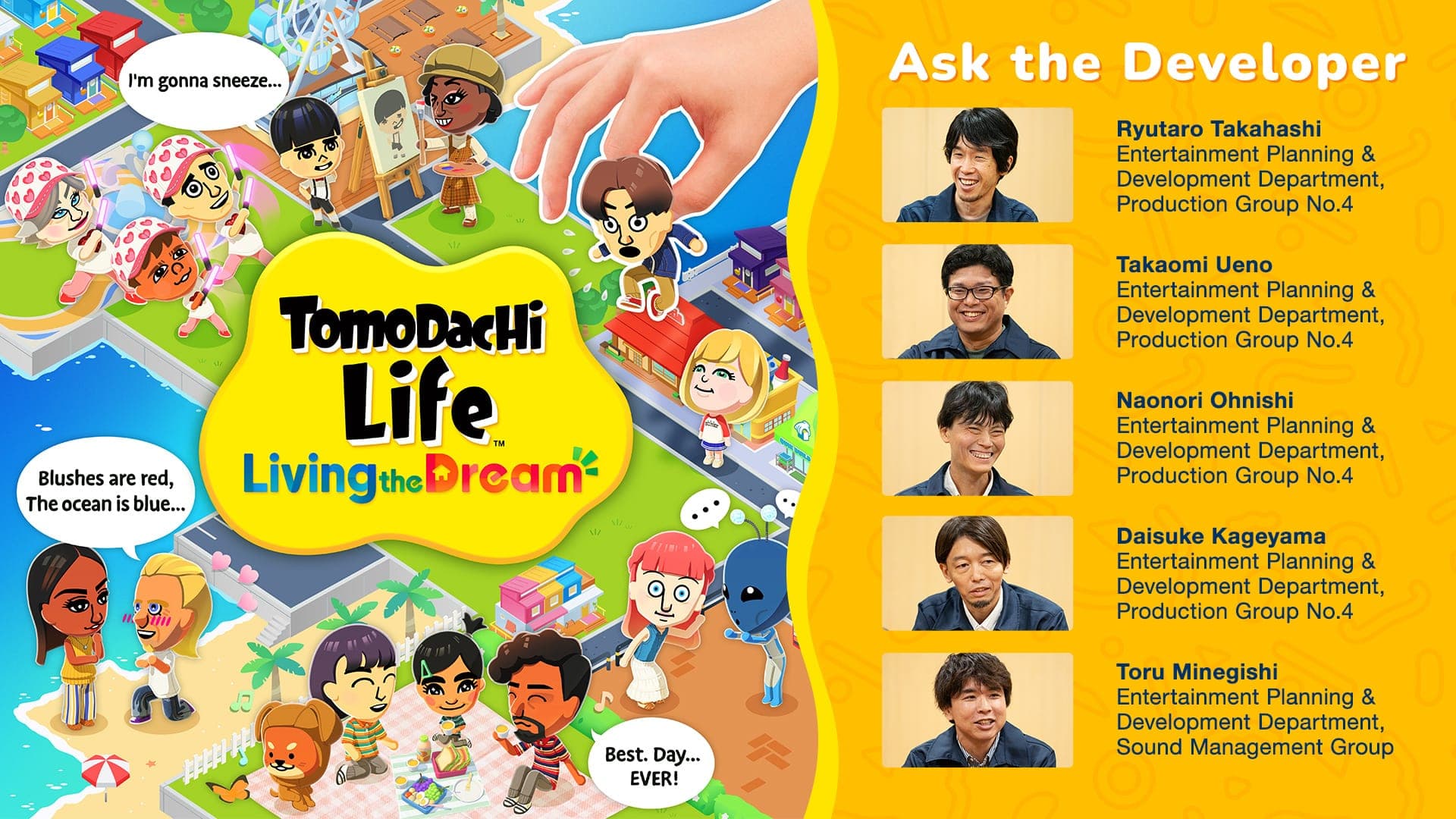
Tomodachi Life: Living the Dream lands on Nintendo Switch on Thursday, April 16, 2026, and Nintendo says it will also be playable on Nintendo Switch 2. The return matters because Nintendo is calling it the first new Tomodachi Life entry in more than 10 years, and the new Ask the Developer interview, translated from Japanese and conducted before release, shows how much of the game came from ideas that had been circulating inside the team for nearly a decade. The January 29 Direct also framed the game around new customization parts, player-created items, and island building.
Nine years of jokes, experiments, and room clutter
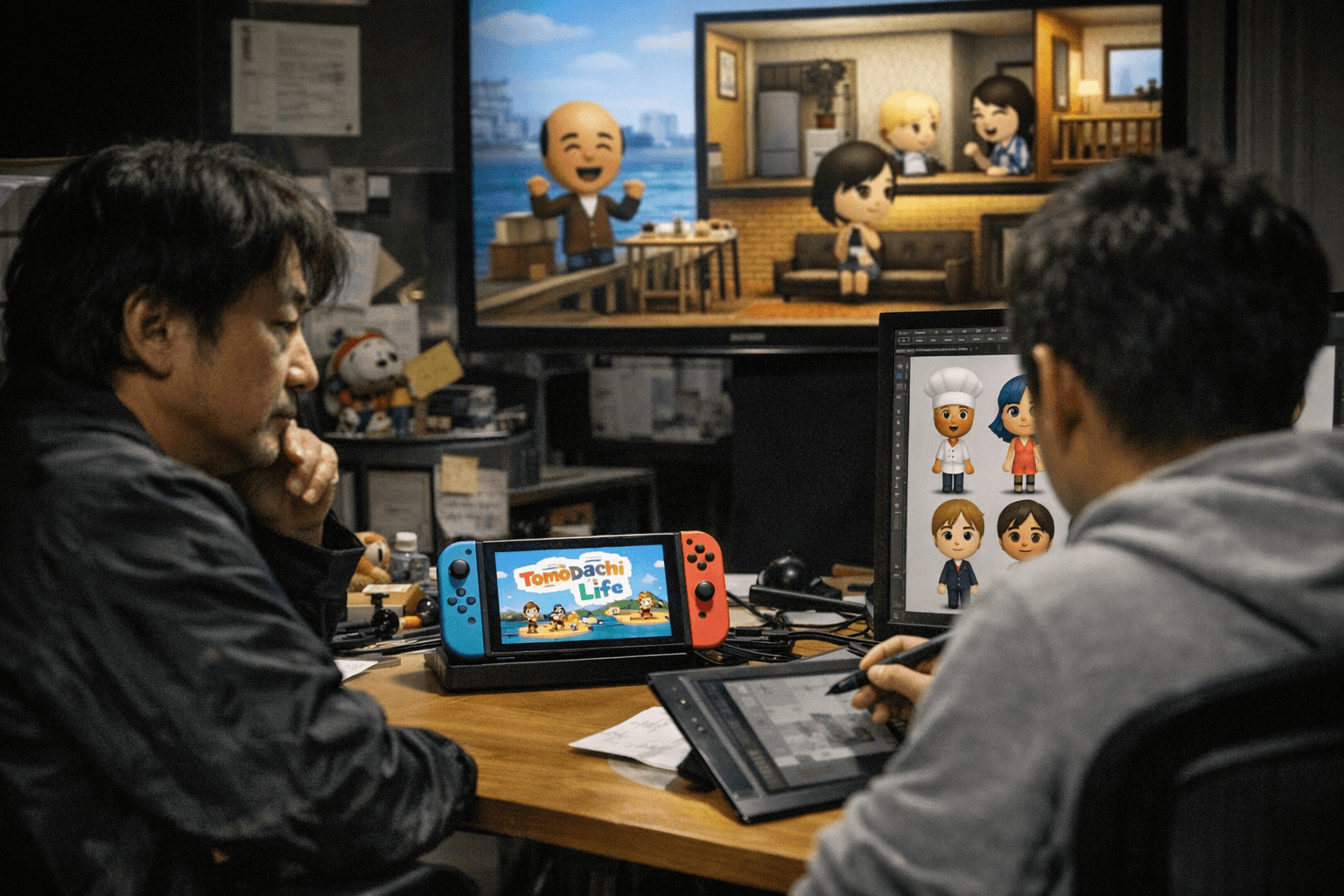
The clearest sign that this was built like a Nintendo workshop project, not a standard sequel, is the way ideas moved through the team. Nintendo says the developers set up an idea board where anyone on the project could post scenario ideas, and other people in completely different roles could pick them up and turn them into real content. That kind of open-ended collaboration produced the sort of developer folklore that only becomes visible when a game is done: room designs became so dense with tiny touches that they gave the graphics team headaches, and Takahashi says, “Mii News was something we almost dropped because we didn’t have enough time to fit it in.”
That detail is the most revealing thing in the whole interview because it shows how Nintendo works when a project is allowed to breathe. A joke can become a system, a side idea can survive late scheduling pressure, and a feature can move from “maybe” to shipping code because someone lower down the ladder insists it has to stay. For anyone inside a studio environment, that is the real lesson of Tomodachi Life: Living the Dream. The game did not just accumulate content over nine years; it accumulated internal ownership.
Building Miis with more latitude
Nintendo’s big consumer-facing change is the expanded Mii creator. Players can make characters either with “Get Help,” which asks simple questions about facial features, or “From Scratch,” which lets them choose from face types, hairstyles, eyes, and more. The interview says the system now goes much further than likenesses, with eyelashes, eyelid creases, mouth angles, and sub-color hair all adjustable, so Miis can carry more personality and not just a better resemblance.
The customization also bends in stranger directions on purpose. Nintendo says players can create non-human-looking Miis, including animals and aliens, and can use face paint to add details like whiskers. That is a small but telling signal about the series’ design philosophy: Tomodachi Life has never been about locking the player into realism, and this version gives artists, designers, and character teams more room to stretch the Mii format without breaking it.
An island that behaves like a daily check-in
Once the Miis are built, the game’s loop is still about watching behavior emerge rather than scripting every beat. Nintendo’s store page says players can send Mii and Palette House workshop creations to a nearby friend’s system via local wireless, and it frames Mii News as a daily broadcast for island happenings. The same page says friendships can go in all sorts of directions, with characters becoming best friends, roommates, enemies, or romantic partners.
The Direct pushed that idea further by showing how directly players can interfere with the social fabric. Time passes in real time, Miis can live together as roommates, and you can physically move one Mii near another to spark conversation or a new situation. For a development team, that means the game has to stay readable across a huge number of small behavioral permutations, which is exactly the kind of thing that makes QA, localization, and systems design so important in a Nintendo project built around personality rather than combat.
Why the old sales data still matters
The sequel’s return carries real franchise weight. Nintendo’s official sales chart lists Tomodachi Life at 6.72 million units worldwide on Nintendo 3DS as of March 31, 2025, which makes it one of the platform’s top sellers. The series also started from a more limited place: Nintendo says the first Tomodachi Life game was released on Nintendo DS in Japan only, before the concept expanded into a much bigger international business with the 3DS version.
That history matters because it explains why this comeback took so long. Nintendo did not treat Tomodachi Life as a disposable novelty after the 3DS era. It sat on a premise that clearly worked, waited until the team had enough new material to justify revisiting it, and then rebuilt the sequel around more flexible creation tools and more player-made content.
What Nintendo is really showing
Read together, the Direct and the developer interview show a familiar Nintendo pattern: the company turns internal scraps into polished play. Here, that means staff-submitted scenario ideas, a board full of prototype jokes, and enough pressure from individual developers to keep odd little features alive until the finish line. It also means a game that is designed to be shared, discussed, and personalized, not just played once and shelved.
For people working in game development, design, QA, localization, or business planning, the useful signal is not just that Tomodachi Life is back. It is that Nintendo still seems willing to let a project become stranger, denser, and more collaborative if that is what the series needs. If Living the Dream connects, it will be because Nintendo once again made the weird feel intentional, and turned years of internal folklore into something players can actually live with.
Know something we missed? Have a correction or additional information?
Submit a Tip