Nintendo expands Tomodachi Life Mii customization while preserving familiar charm
Tomodachi Life is adding deeper Mii editing, but Nintendo is keeping the same familiar face. The real challenge is more freedom without turning Miis into something else.
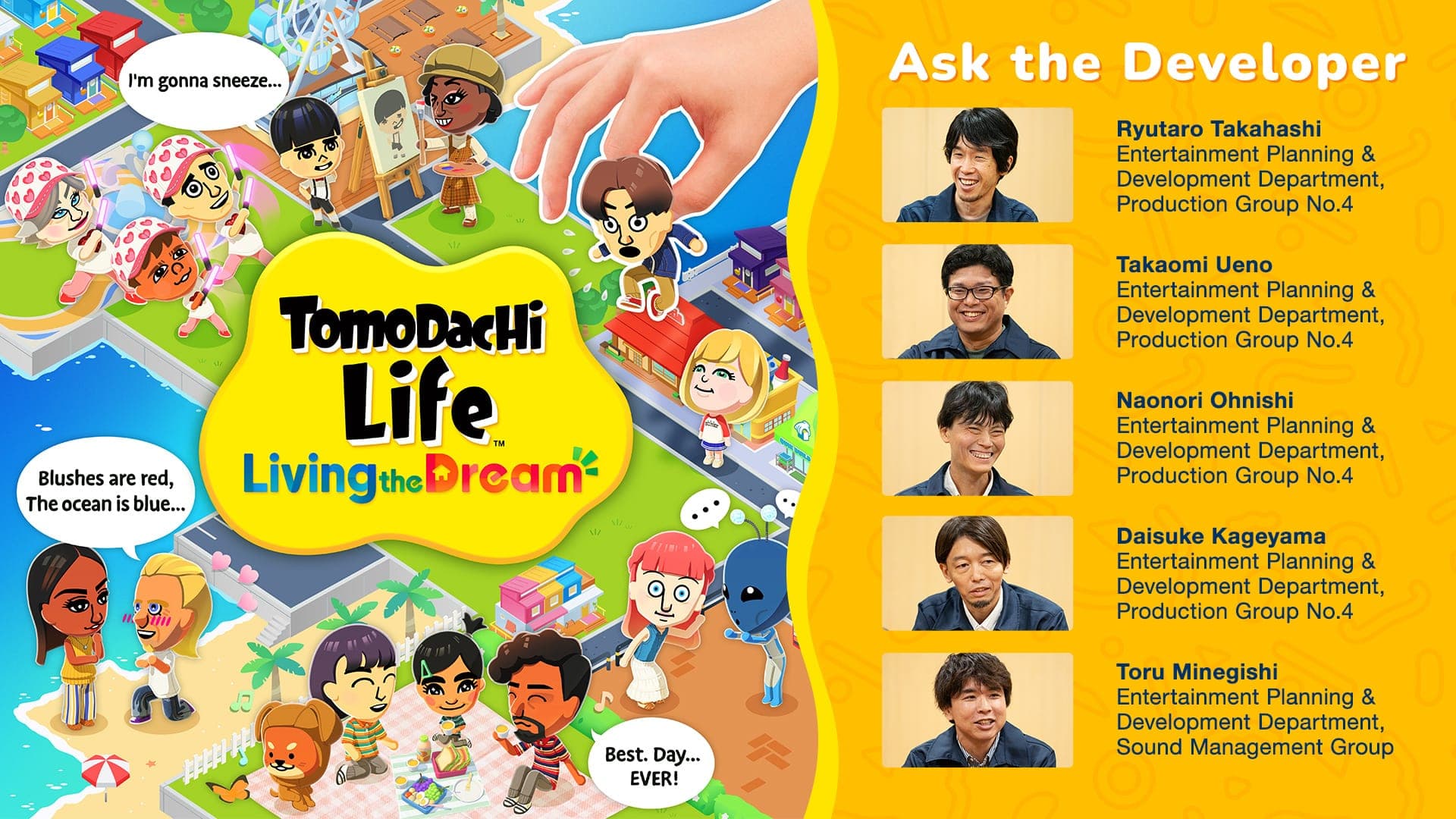
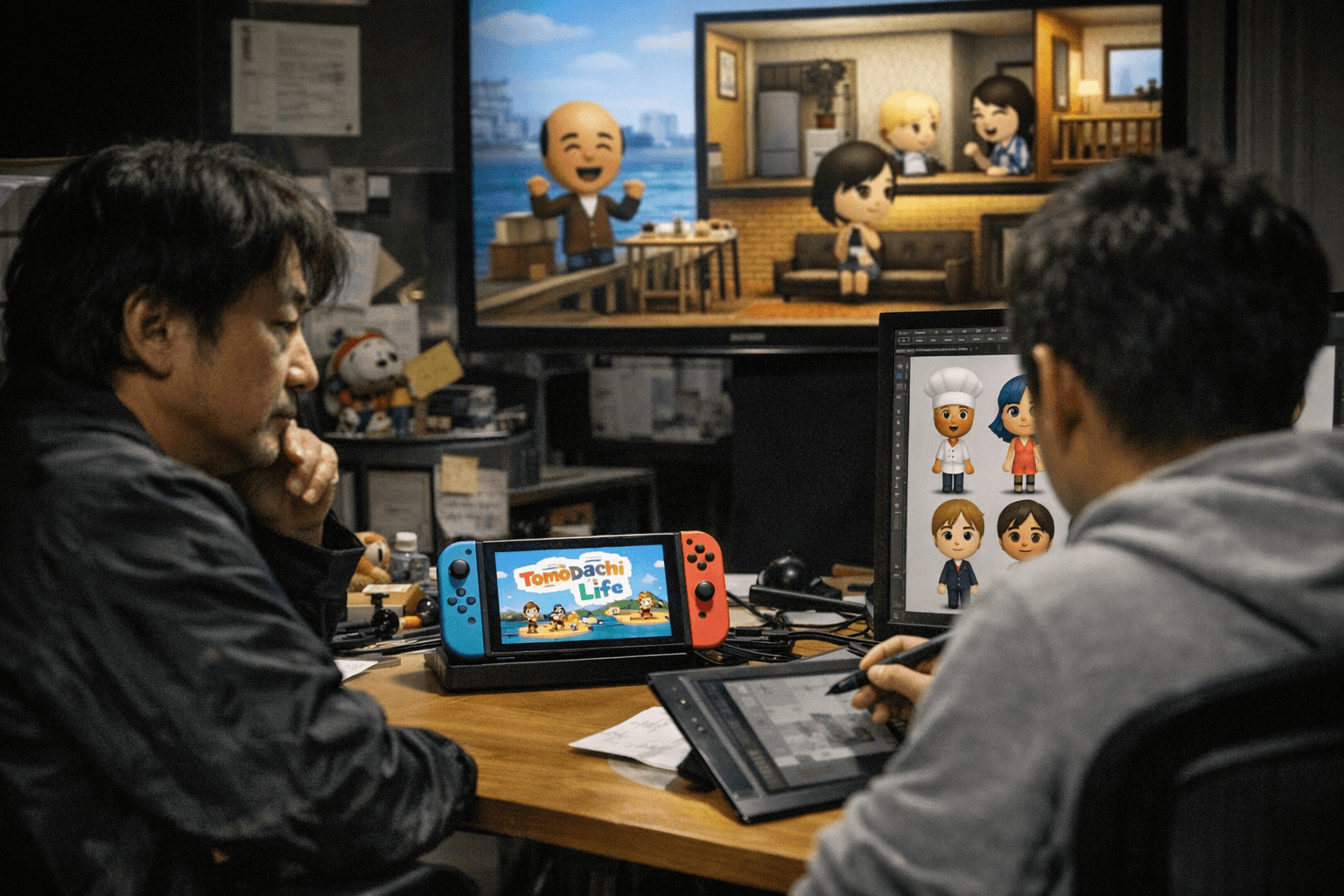
The hardest thing about a Mii is that everyone already knows what it should feel like. Nintendo is not just adding sliders to Tomodachi Life: Living the Dream, it is trying to widen the toolset without snapping the identity that makes Miis instantly recognizable.
A familiar face, with more room to move
That is the core design tension in the new Tomodachi Life approach. The developers are not treating the character maker like a blank canvas where technology leads the way. Instead, they are starting from a shared understanding of what a Mii is, then extending that idea carefully so players can express more without losing the emotional shorthand that makes the format work.
The practical result is a richer editor. The new game gives players more detailed control than earlier entries, including finer adjustment of facial features such as eyelashes, eyelid creases, mouth angles, and hair that can use sub colors for a two-toned look. Those changes sound cosmetic on paper, but for Tomodachi Life they go right to the heart of the series, because the Mii is not just an avatar. It is a social toy that players use to project friends, family members, and fictional characters into a weird little shared world.
That matters because the appeal of Tomodachi Life has always depended on recognition first and novelty second. If the face stops feeling like a Mii, the joke stops landing, the emotional connection weakens, and the whole game loses some of its charm. Nintendo is betting that players want more individuality inside the old silhouette, not a replacement for it.
Why Nintendo is expanding instead of reinventing
Nintendo’s design philosophy here is controlled expansion. The company is not rejecting modernization, but it is refusing to let modernization erase the original promise of the franchise. That is a familiar pattern across Nintendo’s best-known series: the mechanics can evolve, the presentation can sharpen, but the emotional contract with the player has to remain intact.
For Tomodachi Life, that contract is especially delicate because the series thrives on flexibility and oddness. The point is not to create a perfect facial simulation or a hyper-realistic creator with endless options. The point is to give players enough room to make something personal, strange, and funny while still reading immediately as a Mii. In other words, the design goal is not maximal freedom, it is the right kind of freedom.
That distinction explains why Nintendo seems comfortable deepening the customization system while still keeping it constrained. The team is effectively saying that the toolset can become richer, but the social logic of the series cannot be allowed to drift. Miis need to stay legible at a glance, because that legibility is what lets a player recognize a friend, a sibling, or a joke character before the simulation even starts working.
What richer customization means for the people building it
For developers, designers, QA testers, and localization teams, this kind of change multiplies the workload in ways that are easy to underestimate. More detailed customization means more visual combinations, more edge cases, and more states to check across menus, previews, and in-game reactions. A small change to eyelashes or mouth angle can create a long chain of interactions once the character is dropped into animations, dialogue scenes, and social situations.
That is where Nintendo’s quality-first culture becomes more than a slogan. The job is not simply to make the editor more capable. The job is to make sure every new option still fits the visual language of Tomodachi Life, still reads cleanly in interface text, and still feels coherent to players who have lived with Miis for years. If the interface gets too busy or the messaging gets too complicated, the charm can disappear even if the feature set is technically stronger.
Localization adds its own pressure. When a game leans on simple, playful identity, the words around the system have to stay just as clear as the faces on screen. Too much jargon, too much explanation, or too much tonal drift can make a friendly Nintendo system feel heavier than it should. That is a quiet but important part of the workload, because the UI has to support expression without making the player feel like they are operating software instead of playing with a toy.
Preserving the mental model that players carry with them
The most important part of the interview is not the list of features. It is the reminder that polish at Nintendo is not only technical stability. It is also about preserving the user’s mental model of a franchise across generations. Players should be able to look at a new Mii and still feel, immediately, that they know what kind of character this is and what kind of world they are entering.
That is why the familiar charm matters so much. Nintendo is not preserving Miis out of nostalgia alone. It is protecting a brand asset that lives in the player’s head, one built from simple shapes, readable expressions, and a social tone that has always been more inviting than exact. The company can push that framework farther, but if it pushes too far, it risks turning a beloved icon into just another customizable avatar system.
Tomodachi Life: Living the Dream is therefore less a remake of the Mii concept than a stress test of Nintendo’s broader design discipline. The game asks whether a franchise can grow more expressive without becoming self-conscious, and whether a character family can modernize while staying emotionally stable. Nintendo’s answer, at least here, is to add detail where it helps and hold the line where identity begins to fray.
That is the lesson for anyone inside the building watching how the sequel takes shape. The work is not to make Miis bigger, louder, or more technically ambitious for its own sake. The work is to make them feel the same way they always have, even as the details underneath them become far more precise.
Know something we missed? Have a correction or additional information?
Submit a Tip