Nintendo highlights platform variety as key to indie developer relations
Nintendo is opening the door wider for indie developers, but it is not abandoning curation. The real strategy is a mix of free access, quality review, and visible promotion.
Open access is the headline, but not the whole story
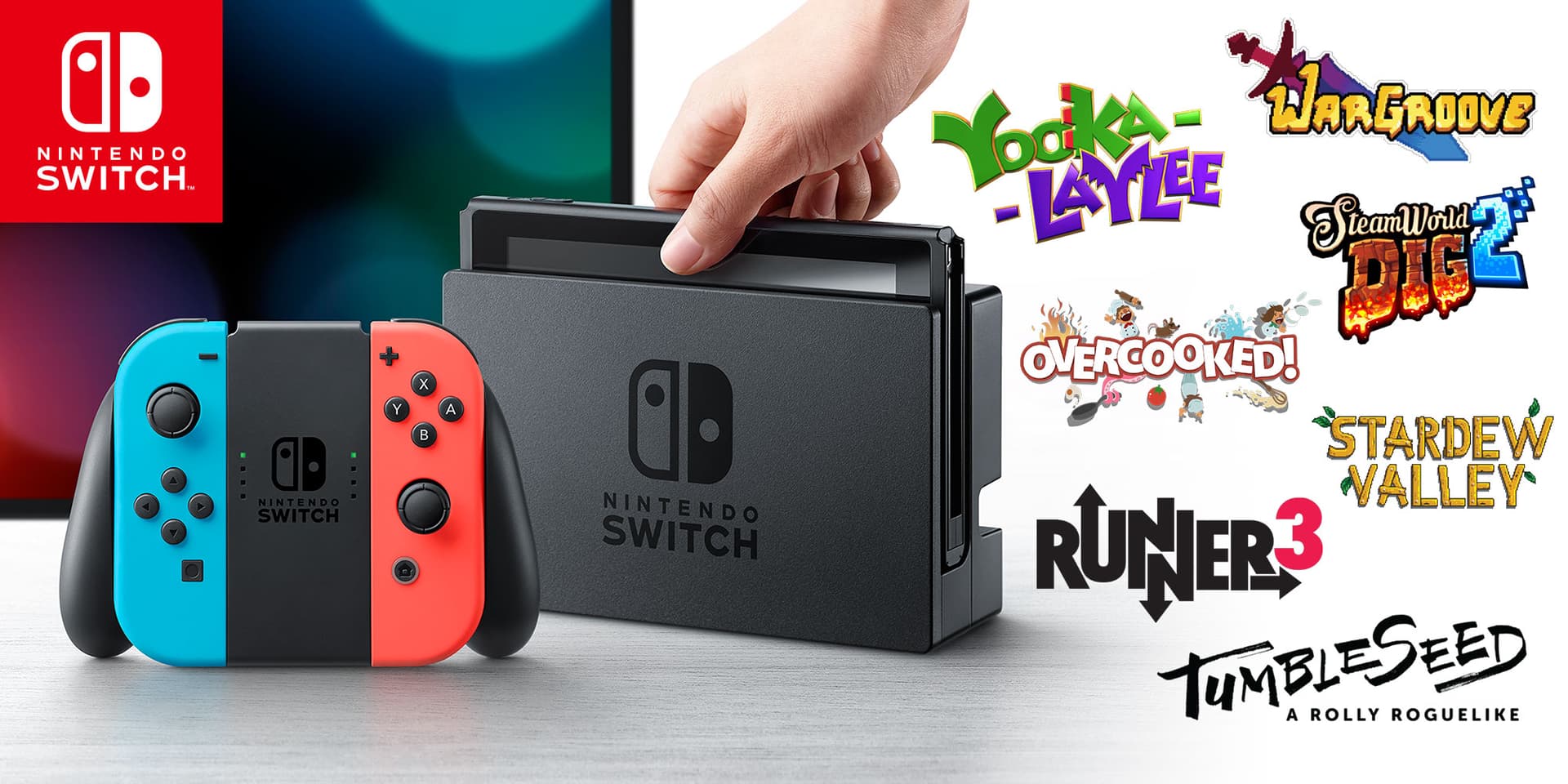
Nintendo’s pitch to indie developers starts with an unusually low barrier to entry: its developer program is open to anyone interested in building for Nintendo platforms, with no prior development experience required. Registration and tools are free, and once a game is ready, the developer controls the price, release date, and content of the Nintendo eShop release. That is a meaningful signal for anyone inside Nintendo, because it shows the company is not treating indie publishing as a side channel. It is building a pipeline that can bring in first-time teams, small studios, and developers who might never have had access to traditional boxed distribution.
That same openness comes with structure. Nintendo says games are reviewed before publication to make sure they can be safely played and conform to production standards, and it offers support tools for DLC, updates, and price promotions after launch. For QA, that means the job is not just about checking bugs before release. It is about preserving the standards that make the platform feel trustworthy while still leaving room for creators to ship on their own terms.
Why platform variety matters to Nintendo’s own logic
The company’s career materials frame platform variety as part of the business model, not an afterthought. Nintendo describes staff who work to make Nintendo Switch a place where a wide range of software can thrive, including small independent teams that historically may have struggled to reach players through older distribution models. That matters because it reframes platform strategy for employees across Japan and Redmond, Washington alike: the platform is not defined only by hardware power or first-party blockbusters, but by the predictability and approachability of the path outside developers take to release games.
Nintendo’s own business team, according to the company’s description, began attending developer events, building relationships, and helping creators understand how to bring games to the platform. That is the kind of detail that often gets missed when indie support is described as a marketing talking point. For business staff, discoverability, developer outreach, and digital distribution are all one system. For localization and QA, the same logic applies: the platform promise depends on a healthy, varied catalog and on support structures that help partners succeed, because a store full of technically sound but invisible games does not create the kind of value Nintendo wants.
Indie World is where access turns into attention
Nintendo has also made indie visibility a recurring public program through Indie World presentations. That is important because access alone does not guarantee reach. A developer can get through the door, ship on the eShop, and still disappear unless the platform gives the game a stage.
The August 7, 2025 Indie World showcase showed how Nintendo uses that stage. The presentation included a free content update for *Little Kitty, Big City*, a demo for *Mina the Hollower*, and the launch of *UFO 50*. On March 3, 2026, Nintendo held another Indie World showcase focused on indie games coming to Nintendo Switch 2 and Nintendo Switch, highlighting a broad variety of titles across genres and gameplay styles. That mix of updates, demos, and launches tells you what Nintendo is trying to do: not just add more games, but help the right games get noticed at the right moment.
For developers, that visibility can be as valuable as the store listing itself. For Nintendo employees, it is a reminder that curation is not the opposite of openness. It is the mechanism that makes openness usable.
The sales numbers explain why curation matters so much
Shuntaro Furukawa has been unusually direct about the strength of the indie pipeline on Switch. In a February 6, 2024 financial briefing, he said Nintendo had seen a significant number of indie releases on Switch and that many of those games frequently rank high on Nintendo’s download charts. He also said Switch had entered “uncharted territory” in its seventh year, citing expectations of 15 million hardware units and 180 million software units in that year.
Those numbers matter because scale changes the nature of discoverability. By March 31, 2026, Nintendo reported lifetime Switch sales of 155.92 million hardware units and 1,528.14 million software units. At that kind of scale, the problem is no longer whether there are enough games. The problem is how to surface the right ones, how to maintain trust in the catalog, and how to make sure that the best work does not get buried under volume.
That is also why the company’s platform variety messaging feels strategic rather than decorative. A vast install base only becomes a real opportunity when developers believe they can reach players, players believe they can find quality, and Nintendo believes it can support both without losing control of the experience.
What this means for the people making the platform work
For localization teams, the takeaway is straightforward: a platform built around variety creates more tonal range, more genre diversity, and more release timing pressure. A cozy life sim, a retro compilation, and a difficult action game do not ask for the same editorial judgment or the same player-facing language. The broader the catalog gets, the more valuable consistent localization becomes as a trust signal.
For QA, Nintendo’s review process and production standards are not bureaucracy for its own sake. They are part of the company’s claim that Nintendo systems are approachable and safe to play on. That claim matters even more when the company is inviting anyone, including developers with no prior experience, into the ecosystem.
For business teams, the lesson is that indie relations are not a separate lane from platform strategy. The outreach, the tools, the review process, the post-launch support, and the showcase programming all reinforce one another. A healthy indie catalog on Nintendo platforms is not just extra content. It is part of the platform’s identity.
Nintendo’s approach is best understood as a hybrid model: open enough to welcome new creators, structured enough to protect quality, and visible enough to give standout games a chance to break through. In a digital-first market, that combination is increasingly what separates a storefront from a platform worth building for.
This article was produced by Prism’s automated news system from verified source data, official records, and press releases, then run through automated quality and moderation checks before publishing. The system is built and supervised by the people who set the standards it runs under. Read our full AI policy.
Did this article answer your question?