Nintendo planning guide says schedules should drive budgets, not the reverse
Nintendo’s planning playbook treats a schedule as proof of ship readiness. For leads and producers, that means budgets should follow real work, real risk, and real timing.
Budgets should follow the work, not the other way around
A polished concept can get attention. A credible schedule is what proves a game can ship. That is the core lesson for anyone trying to lead production at Nintendo: before you ask for money, you need to show what the work actually is, how long it takes, who will do it, and where the risks sit.
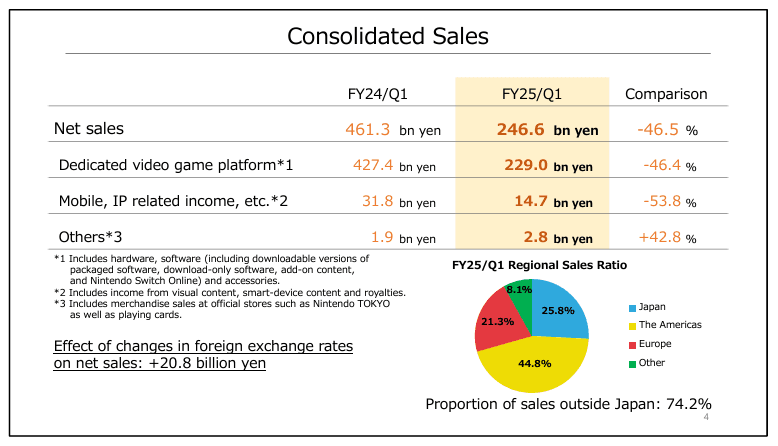
That mindset matters more now because Nintendo’s business is large, but the pressure on delivery is real. In fiscal 2025, the company posted net sales of 1,164.9 billion yen and operating profit of 282.5 billion yen, while dedicated video game platform sales fell to 1,083.5 billion yen. Big numbers do not make planning easier. They make bad planning more expensive.
A schedule is evidence, not decoration
The strongest planning document is not a budget spreadsheet built from optimism. It is a schedule that reflects actual development conditions. If the sequence of work is wrong, every number that follows is built on sand.
For Nintendo producers, that means the schedule should come first. It reveals the real scope of a project, the dependencies between teams, and the places where a feature set might collapse under production reality. A responsible budget is then built from that schedule, not projected onto it afterward. That difference is important in a company known for quality-first culture, because a neat proposal that cannot survive development is not a plan, it is a liability.
The same logic applies across the organization, from Kyoto headquarters to global offices handling launch support, localization, partner coordination, and marketing beats. If the timing is wrong, QA gets squeezed, text lock arrives too late, and release planning turns into damage control. A schedule that anticipates those pressures is one of the clearest signs that a team understands what it is promising.
What a credible plan actually includes
Nintendo’s own leadership has described planning in exactly these terms. Shuntaro Furukawa said creating a successor to Nintendo Switch takes years of preparation, and that Nintendo was still developing Nintendo Switch software while expanding development resources through graduate recruitment and mid-career hiring. That is a reminder that ship readiness is not just about one project, but about whether the company has the people and timing to support several generations of work at once.
A credible plan usually includes:
- A clear breakdown of tasks, not just a headline concept
- Input from the people doing the work, including programmers, artists, designers, QA, localization, and production
- Lessons from people who have done similar work before
- A realistic understanding of the technology, methods, and equipment required
- Time for iteration, not just a date for the first draft
- A risk register that identifies what could slip, and what the team will do if it does
That kind of planning is especially useful inside Nintendo because the company often balances original ideas with long-running franchise expectations. A concept may be elegant on paper, but if the team cannot explain the tool chain, the staffing load, or the testing burden, then the proposal is not ready to become a budget request.
Nintendo’s leaders are saying the same thing in different words
In November 2024, Shigeru Miyamoto said Nintendo’s research and development expense was rising year by year because the scale of development was growing. He also said what matters more than the size of the budget is what Nintendo makes, and that the company keeps refining products until it is convinced customers will be satisfied. That is classic Nintendo: cost matters, but quality still has the final say.

Shinya Takahashi added another important point. Not every game needs a large budget, because some titles can grow from the ideas of a small number of developers. For producers, that is a useful correction to the common assumption that bigger teams automatically mean better output. A smaller, focused group can be the right answer if the plan is tight and the scope is honest.
Ko Shiota’s comments sharpen the point further. He said Nintendo integrated handheld and home-console software development environments with Nintendo Switch, and that an efficient development environment is central to the hardware-and-system strategy. In practical terms, the tools and workflow matter because they shape what the team can realistically deliver. A fast, well-supported pipeline can make a leaner budget viable. A messy one can wreck even a generous budget.
Why this matters for launch planning and influence
For anyone working near launch planning or partner management, this is not abstract corporate philosophy. It is how you judge whether a milestone is believable, whether a team is overextended, or whether a scope change means the financial model has to change too. If the schedule says a feature will arrive after localization, certification, and marketing materials are already locked, then the plan is wrong no matter how good it looks in a slide deck.
This is also where influence grows. People who can connect schedule discipline to budget discipline become trusted because they are not just asking for resources, they are protecting the company from false confidence. That kind of judgment raises your value in production meetings, strengthens your voice with management, and makes you the person others consult before a plan gets too expensive to fix.
Nintendo’s November 2025 briefing made the strategic stakes even clearer. Furukawa said development resources were shifting toward Nintendo Switch 2, while software development costs were higher and development periods were longer. He also said Nintendo wants to keep momentum by balancing new titles with evergreen titles. That is a direct statement of the modern planning problem: new hardware transitions require long lead times, careful sequencing, and enough discipline to keep content flowing without breaking quality standards.
Capital spending, facilities, and the hidden message of the new Kyoto center
Furukawa has also framed investments such as Nintendo’s new Development Center as important uses of cash. That matters because it shows the company does not treat talent, facilities, and timing as separate debates. They are all part of the same operating system.
Nintendo’s corporate information lists a Development Center in Kyoto, reinforcing how tightly development strategy is tied to the company’s home base. The message to producers is simple: the company is willing to invest in the environment that makes good scheduling possible, because execution depends on more than ideas. It depends on where people sit, how they work, and whether the organization gives them the right setup to deliver.
The skill that turns planning into leadership
For aspiring leads and producers, the lesson is bigger than budgeting. If you can show that a schedule is grounded in actual work, you can turn planning into a form of evidence. You can argue for a smaller scope when that is the smarter path, or for additional time when the risk really warrants it.
That is why mastering budgets and schedules raises trust. It shows you understand the difference between a polished pitch and a shippable game. At Nintendo, where quality, legacy, and long-term IP value all carry real weight, that judgment is not administrative. It is leadership.
This article was produced by Prism’s automated news system from verified source data, official records, and press releases, then run through automated quality and moderation checks before publishing. The system is built and supervised by the people who set the standards it runs under. Read our full AI policy.
Did this article answer your question?
