Nintendo prepares Switch 2 redesign for EU replaceable battery rule
EU battery rules are pushing Nintendo toward a Switch 2 variant with a user-replaceable battery, a change that could alter design, packaging and repair support across regions.

Nintendo was already preparing a Switch 2 hardware path for Europe that could reshape how the console is built, shipped and repaired. Under a battery rule taking effect on February 18, 2027, portable batteries built into certain products sold in the EU must be removable and replaceable by the end user for the product’s lifetime.
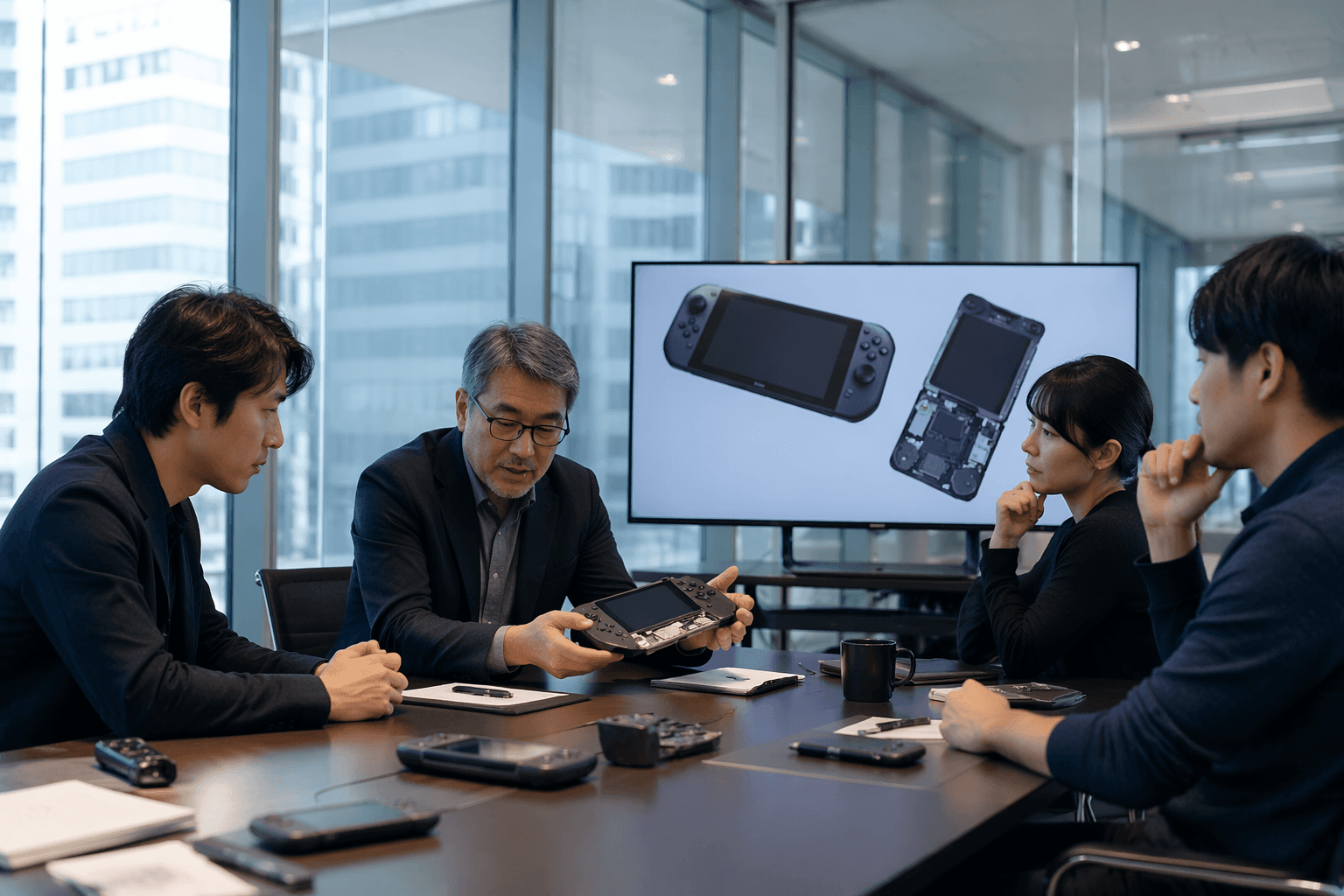
That requirement is more than a compliance footnote for Kyoto. It reaches into the console shell, adhesive choices, thermal design, safety certification and spare-parts planning, while also forcing Nintendo to think about how customer support explains battery replacement, warranty coverage and repair options. Nintendo says on its compliance page that it is preparing product versions to meet EU directives and regulations, and that future compliant units for models starting with BEE will carry a separate OSM model number on the packaging.
The change also highlights a broader tension inside hardware planning at Nintendo: one global platform, but not always one global design. If the EU gets a distinct Switch 2 variant, teams in Japan and regional offices will have to manage SKU logic, regulatory labeling, distributor communications and replacement-part inventories without fragmenting the user experience or weakening Nintendo’s quality standards. For a company that builds its brand on polish, reliability and long product lives, battery access is no longer just a service issue. It has become a product-planning constraint.
The rule comes from Regulation (EU) 2023/1542, which entered into force on August 17, 2023. The European Commission issued nonbinding guidance on January 10, 2025 to help harmonize how removability and replaceability should be applied, including limited derogations and exceptions tied to safety or wet-environment concerns. The regulation’s policy goals are explicit: reduce electronic waste, extend product lifespans and improve recycling outcomes, with broader collection targets that rise to 63 percent by the end of 2027 and 73 percent by the end of 2030.
For Nintendo, the practical effect is that repairability is moving closer to the center of hardware strategy. A battery that can be replaced without specialized service tools can ease after-sales support and improve device longevity, but it can also add engineering complexity and cost. In Europe, that tradeoff may now be unavoidable. If the Switch 2 line is to stay aligned with EU rules, Nintendo will have to design for circularity as carefully as it designs for launch-day performance.
This article was produced by Prism’s automated news system from verified source data, official records, and press releases, then run through automated quality and moderation checks before publishing. The system is built and supervised by the people who set the standards it runs under. Read our full AI policy.
Know something we missed? Have a correction or additional information?
Submit a Tip