Nintendo reports supply chain labor risks in Canada compliance filing
Nintendo’s May 26 Canada filing covered Nintendo of America and Nintendo of Canada for the fiscal year ended March 31, with supplier oversight and audit duties front and center.
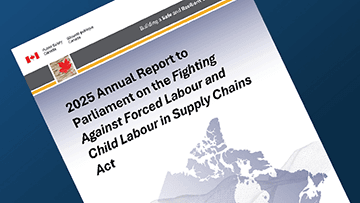
Nintendo of America filed a May 26, 2026 report on forced labor and child labor in supply chains that covered Nintendo of America Inc. and its subsidiary, Nintendo of Canada Ltd., for the fiscal year ended March 31, 2026. For employees in procurement, legal, logistics, and hardware planning, the filing is less a compliance footnote than a map of how the company says it manages supplier risk across the products that leave Redmond and move through Canada.
Public Safety Canada says the Fighting Against Forced Labour and Child Labour in Supply Chains Act took effect on January 1, 2024, and requires covered entities to publicly report the steps they took during the previous financial year to prevent and reduce those risks. Annual reports are due by May 31. Canada’s broader regime also includes an import ban on goods produced in whole or in part with forced labor or child labor, which raises the stakes for any company shipping hardware, accessories, or packaging through multiple suppliers and subcontractors.

Nintendo’s own supply chain transparency page says Nintendo of America has an “unequivocal policy” requiring suppliers to engage in responsible human rights and labor practices. Nintendo Co., Ltd.’s sustainability materials say the company is promoting CSR procurement throughout its entire supply chain and note third-party audit activity in progress. That puts concrete obligations on the people who negotiate with factories, approve components, and manage sourcing decisions: trace where parts come from, document who touches them, and escalate problems before they become production delays or reputational damage.
For developers and localization teams, the filing may look far removed from day-to-day work, but it sits behind the hardware that supports launch schedules, retailer commitments, and packaging runs. A sourcing failure can ripple into product availability just as quickly as a bug can slip into a build. In a company where quality standards are tied to franchise legacy, supplier discipline is part of the same operating culture that keeps a console launch, a collector’s edition, or a regional release on track.
The report does not read like a glossy responsibility statement. It functions more like a controls document, showing that Nintendo’s labor-risk management depends on supplier standards, audit pressure, and a clear escalation path if sourcing falls short. For anyone involved in procurement or hardware, the message is straightforward: the business rules around forced-labor compliance now shape how physical Nintendo products are approved, built, and shipped.
This article was produced by Prism’s automated news system from verified source data, official records, and press releases, then run through automated quality and moderation checks before publishing. The system is built and supervised by the people who set the standards it runs under. Read our full AI policy.
Did this article answer your question?