Nintendo says it owes customers no tariff refunds in Switch 2 lawsuit
Nintendo told a court Switch 2 buyers got exactly what they paid for as it fights a tariff refund suit that could test how it treats customers when legal strategy and fairness collide.
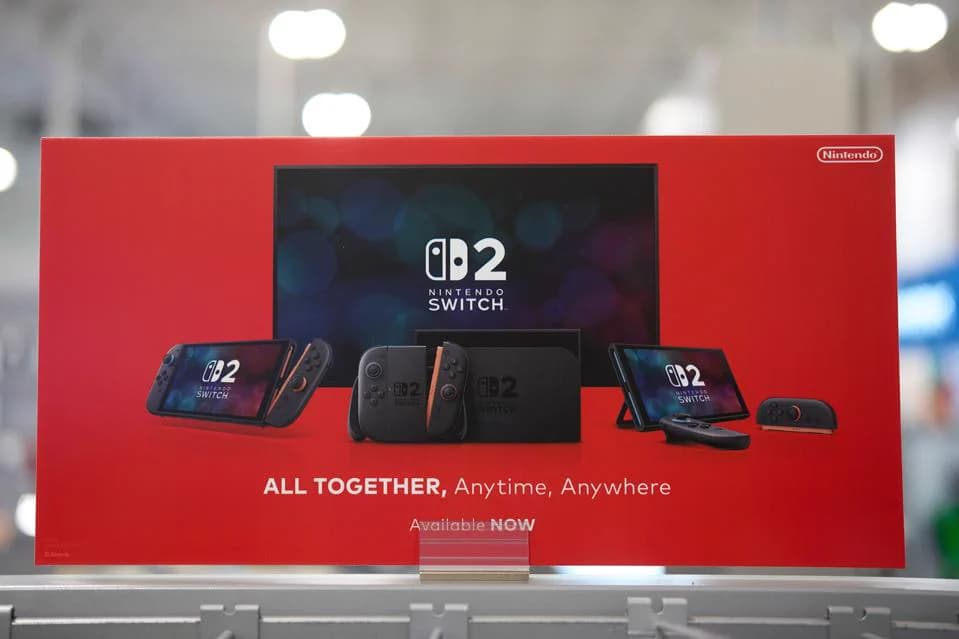
Nintendo told a court that Switch 2 buyers “received exactly what they bargained and paid for” as it seeks to throw out a proposed class action over tariff-related price increases. The filing puts the company’s legal position in direct tension with a consumer claim that if Nintendo recoups tariff money from the U.S. government, it should share any refund with people who already paid higher retail prices.
Two U.S.-based consumers filed the proposed class action in April 2026, targeting Switch 2 consoles and accessories and, in some reporting, Switch 1 hardware as well. Their complaint argues that Nintendo unjustly benefited from Trump administration tariffs and that buyers should not be left carrying the cost if the company later gets paid back by the government. Nintendo’s response is that the listed price was the deal, the purchase was voluntary, and customers have no legal right to a rebate after the fact.
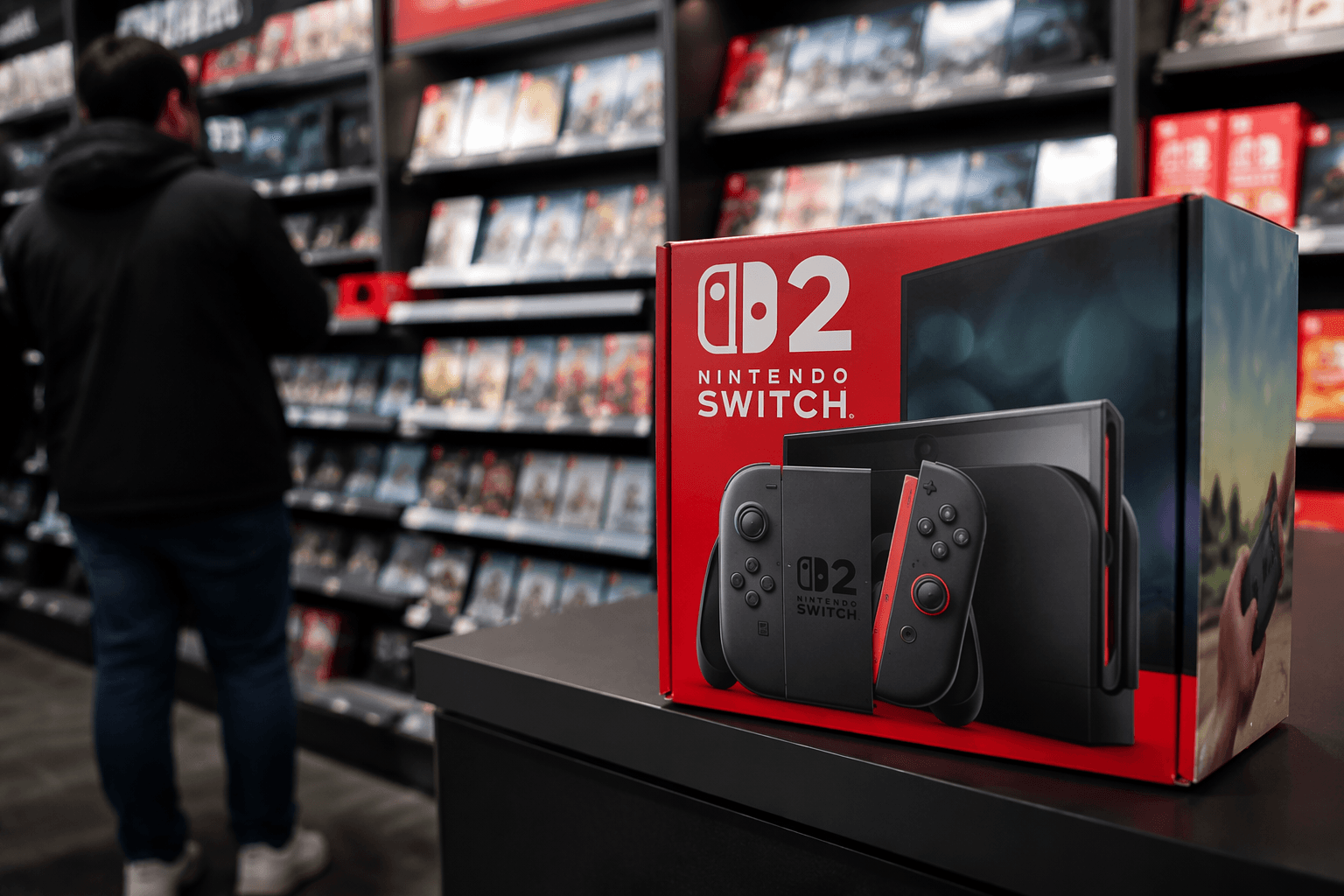
The fight comes as Nintendo is already pressing a separate tariff case against the U.S. government, filed March 6, 2026, as it tries to recover duties it says it paid while importing hardware into the United States. That earlier case followed a much more visible tariff scramble: Nintendo delayed U.S. Switch 2 pre-orders on April 4, 2025 because of tariff uncertainty, a move that showed how quickly trade policy can hit product planning, pricing and launch execution for a company built around tightly managed releases.
For Nintendo’s workforce, the dispute reaches beyond legal filings. Customer-service teams are the first line for complaints from players who see higher console prices and now hear that the company may be seeking tariff refunds in Washington. Retail and account teams have to explain why prices moved when inventory and launch demand were already under pressure. Reputation-management staff, meanwhile, are being asked to defend a consumer brand whose quality-first culture depends on trust as much as on hardware margins.
The case also raises a deeper question inside Nintendo’s U.S. business and at the Japan headquarters that sets pricing discipline across franchises: if a company passes tariff costs into retail prices, does any later government refund belong to the company alone? Nintendo is saying yes, at least in this dispute. The plaintiffs are saying the burden was shifted to consumers from the start, and any repayment should not stop at corporate accounts.
This article was produced by Prism’s automated news system from verified source data, official records, and press releases, then run through automated quality and moderation checks before publishing. The system is built and supervised by the people who set the standards it runs under. Read our full AI policy.
Did this article answer your question?