Nintendo seeks inventory analyst to manage merchandise flow
Nintendo’s inventory analyst role shows how launch-day success depends on more than hype. The real work is placing the right stock in the right store before demand hits.
The job behind the shelf
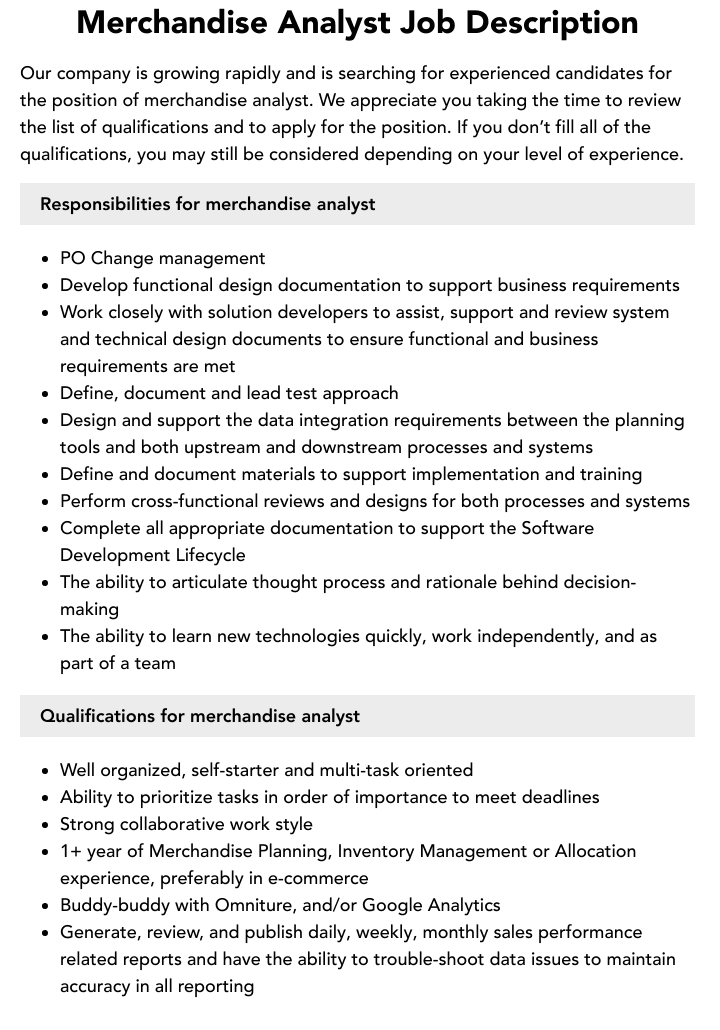
Nintendo’s Allocation Analyst opening is a useful window into the machinery that sits behind the company’s public-facing launches, retail activations, and branded merchandise strategy. The role supports Merchandising and Merchandise Planning by owning inventory allocation and flow across the direct-to-consumer channel, with a clear business goal: optimize sales, margin, and inventory productivity.
That wording matters because it shows how much of Nintendo’s customer experience is decided before a product ever reaches the floor. The analyst is not just tracking boxes. The job reaches into initial launch planning, replenishment, clearance, and bin inventory decisions at the location level, all informed by historical performance and market trends. In a company built around tightly managed releases and a reputation for polish, that kind of operational control can determine whether a launch feels smooth and well stocked or thin and frustrating.
Why allocation is a launch issue, not just a supply chain task
For Nintendo, allocation is part of the launch story itself. When a new game, bundle, or piece of merchandise goes live, the company has to decide how much inventory to place, where to place it, when to replenish, and when to pull back. That is what gives the Allocation Analyst role real weight: it sits at the junction of retail, supply chain, and promotional planning.
The posting makes that intersection explicit by calling out support for new stores, activations, and ongoing business reviews, along with work to improve processes, tools, and ways of working. In practical terms, that means the analyst is helping Nintendo translate demand signals into floor-level decisions. If a release is expected to spike in one market but cool quickly in another, the allocation decision affects not only sell-through but also the customer’s perception of whether Nintendo is delivering on its promise.
For workers inside the company, the implication is straightforward. Quality is not only about the game code or the merchandising design. It is also about whether the right item reaches the right location in time for the moment that matters.
The retail footprint makes the stakes visible
Nintendo’s official stores give this role concrete scale. Nintendo NEW YORK sits at 10 Rockefeller Plaza in New York City and is described as a two-level, 10,000-square-foot interactive space. Nintendo SAN FRANCISCO is located at 331 Powell St. in Union Square and opened on May 15, 2025, as the company’s second official store in the United States.
Those locations are more than showrooms. They are living demonstrations of how Nintendo treats retail as part of the brand experience, not a side business. The New York flagship, with its large interactive footprint, is the kind of place where location-level inventory decisions can quickly shape the customer experience, from front-of-store visibility to how quickly a hot item disappears from bins or gets replenished.
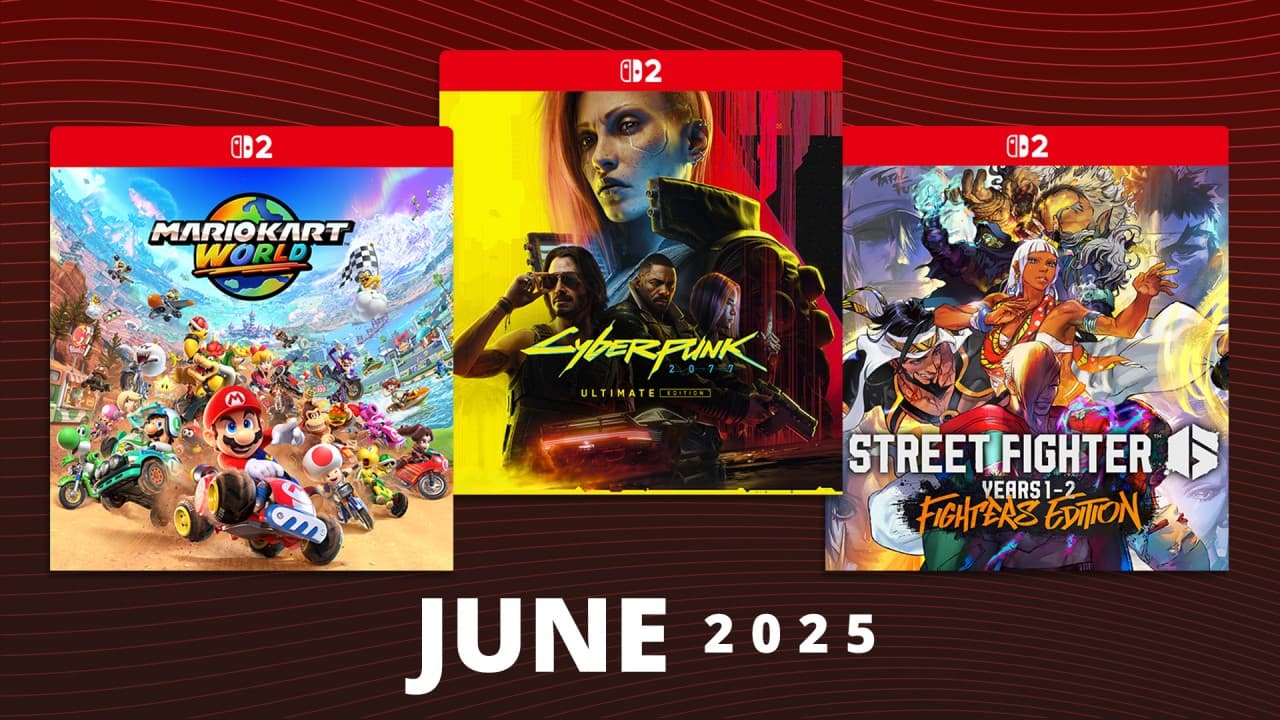
Nintendo has also used both stores as launch-event venues. On May 21, 2025, the company announced Switch 2 launch events at Nintendo NEW YORK and Nintendo SAN FRANCISCO for June 4, 2025. Entry was first come, first served, and a separate shopping session required a Warp Pipe Pass. That detail is the clearest proof that allocation work is tied directly to crowd management and launch execution, not abstract spreadsheet planning.
Launch day is a merchandising test
Nintendo’s store events show how quickly merchandising turns into operations. First-come, first-served entry means demand can surge in a narrow window, so the company has to anticipate how much product, staff attention, and physical space the location can handle. A separate shopping session with a Warp Pipe Pass adds another layer, because it splits access between event attendance and purchase flow, which creates pressure on inventory timing and floor management.
That is where an Allocation Analyst can influence the public perception of a release. If shelves are stocked too lightly, customers see scarcity. If replenishment lags, the launch can look underprepared. If clearance and bin inventory are managed poorly, valuable floor space can be tied up with the wrong product while demand is shifting elsewhere. At Nintendo, those are not small mistakes. They affect how a launch reads to fans, retail staff, and business partners.
The role also speaks to the company’s broader retail discipline. A high-profile release is not just a marketing milestone. It is an execution test that depends on historical sales data, market trends, and fast collaboration across teams.
Merchandise is part of Nintendo’s business, not an afterthought
Nintendo’s FY2025 financial materials reinforce that point. The company says merchandise sales at official stores such as Nintendo TOKYO are included in reporting, and playing cards are included in the same merchandise-related line item. That makes clear merchandise is part of the company’s revenue structure, not just brand decoration.
The reporting also places merchandise alongside Nintendo’s other business categories, including dedicated video game platforms, mobile and IP-related income, and other income streams. For business readers, that matters because it shows Nintendo is not treating physical merchandise and official-store activations as separate from the core business. They sit inside the same consumer ecosystem as software and hardware, which means inventory choices can have real financial consequences.
For the teams closest to product planning, that is the hidden lesson in the Allocation Analyst role. Merchandise flow is not only about moving stock through a channel. It is about protecting margin, keeping inventory productive, and making sure the company’s retail promises match what customers actually see when they walk into a store or shop direct-to-consumer.
What this says about Nintendo’s culture of control
Nintendo’s culture is often discussed in terms of quality, secrecy, and careful brand management. The allocation function fits that pattern. It is a reminder that control at Nintendo extends beyond game design into how launches are staged, how stores are stocked, and how physical demand is handled in real time.
That is especially important in a company with highly visible flagship locations like Nintendo NEW YORK and Nintendo SAN FRANCISCO, where a product launch is also a public performance. The analyst’s work helps decide whether that performance feels like a premium experience or a missed opportunity. At Nintendo, that distinction can shape the first impression of a release just as much as the product itself.
This article was produced by Prism’s automated news system from verified source data, official records, and press releases, then run through automated quality and moderation checks before publishing. The system is built and supervised by the people who set the standards it runs under. Read our full AI policy.
Know something we missed? Have a correction or additional information?
Submit a Tip