Nintendo ties supplier ethics to quality and worker retention
Nintendo treats supplier ethics as a production issue, tying labor standards, quality control, and retention into one supply-chain system.

Supplier rules now sit at the center of Nintendo’s quality playbook
Nintendo is treating supplier ethics as a production issue, not just a compliance one. For employees and managers working in hardware, sourcing, vendor oversight, or compliance, the message is clear: the company’s quality-first culture extends into the factories, subcontractors, and labor networks that help make its products.
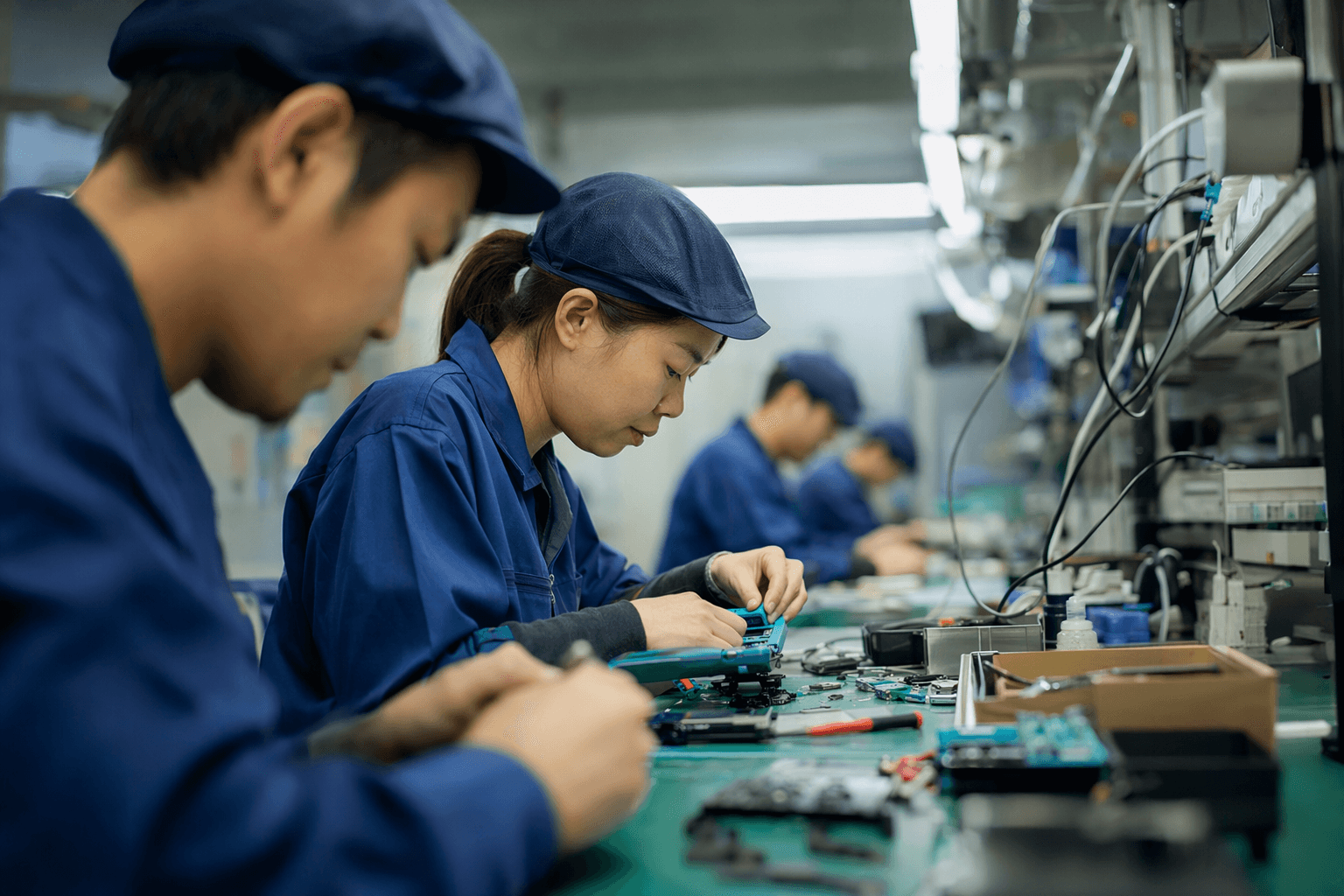
That matters because Nintendo says its main products are made under a fabless production model, which means it does not own the facilities where they are manufactured. Instead, it relies on production partners around the world, and that makes supplier discipline part of the company’s core operating model. In Nintendo’s framing, better CSR activity across the supply chain is not just about avoiding trouble, it can improve working conditions, raise worker retention, boost productivity, and support high-quality products.
How Nintendo connects procurement to product quality
Nintendo’s procurement policy is built around equal opportunity for suppliers inside and outside Japan, fair evaluation, fair prices, appropriate delivery times, and cooperative relationships with suppliers. The company also says its procurement and business-partner selection policies are meant to promote production that complies with laws, regulations, and social standards while taking human rights and the global environment into account.
That framing is important for anyone who works on launches, parts planning, or vendor performance. Procurement is not presented as a narrow cost-control function. It is a quality system, because supplier reliability affects defect rates, schedule stability, worker morale at production sites, and ultimately the consistency that Nintendo’s brands depend on.
Nintendo’s CSR materials make that link explicit. The company says stronger CSR activity throughout the supply chain can improve working conditions for people employed at production sites, which in turn supports better product quality. For internal teams, that creates a practical standard: supplier decisions should be evaluated not only for price and timing, but also for how they affect resilience and the reputation of the product line.
What the CSR Procurement Guidelines actually cover
Nintendo says its CSR Procurement Guidelines were created on April 28, 2011, revised on May 13, 2021, and had supervision transferred from the Manufacturing Division on December 16, 2024. That timeline shows a framework that has been in place for years, but also one that has been formally repositioned inside the company’s governance structure.
The guidelines are broad. Nintendo says they cover human rights, occupational health and safety, corporate ethics and fair trade, environmental protection, product safety and quality assurance, information management, crisis management, and social contribution. The company distributes the guidelines to all first-tier suppliers and includes compliance provisions tied to them in basic business agreements.
There is also a notable upstream expectation. The Japanese guideline says Nintendo expects production partners to extend the same principles to their own subcontractors and labor outsourcing providers. That means the company is not limiting responsibility to the first tier. It is signaling that its standards should travel deeper into the supply chain, where many of the most serious labor and reputational risks tend to live.
Why labor rights are part of Nintendo’s manufacturing model
Nintendo’s modern-slavery transparency statement and supplier disclosures sharpen the point further. The company says its commitment to legal compliance and responsible manufacturing applies throughout the supply chain, and it requires production partners to follow policies prohibiting slave labor, forced labor, child labor, prison labor, and human trafficking.
Nintendo of America adds a similarly direct rule for suppliers in the United States: suppliers must engage in responsible human rights and labor practices, and forced labor is prohibited. That makes the company’s labor position operational rather than symbolic. These are not abstract values statements, they are standards attached to partner relationships and procurement expectations.
For employees, this is where Nintendo’s quality culture intersects with workplace oversight. A factory with unstable labor practices is more likely to face turnover, training gaps, production errors, and schedule disruption. Nintendo’s own materials point to that chain of effects by linking CSR to retention, productivity, and product quality. The company is essentially arguing that respecting workers is part of how it protects the games, hardware, and accessories that carry the brand.
What the 2024 supervision change signals
The transfer of supervision from the Manufacturing Division on December 16, 2024, is a small administrative detail with larger implications. It suggests Nintendo is not leaving supply-chain responsibility embedded only in manufacturing operations, but is organizing it as a broader governance function.
That shift matters because the company’s products move through a global network of partners, not a single plant or country. The current framework makes supplier oversight a cross-functional obligation. It touches procurement, compliance, product quality, risk management, and business partner communication at the same time.
Nintendo’s 2025 annual report materials also reflect that broader structure by including dedicated CSR and supply-chain sections. In other words, this is now part of the company’s formal corporate architecture, not just a side statement about ethics.
Responsible minerals and the wider accountability chain
Nintendo’s basic procurement policy also says the company will comply with its Responsible Mineral Procurement Policy when procuring products and component parts. That extends the supplier conversation beyond labor standards and into material sourcing, where conflict minerals and other extraction-related risks can create both ethical and reputational exposure.
For business teams, that means supplier governance spans multiple layers of accountability. It includes labor conditions, workplace safety, environmental expectations, fair trade, information management, and the sourcing of component materials. The practical effect is that a single procurement decision can influence quality control, legal compliance, and brand protection at once.
Nintendo’s materials also note that the procurement division created the CSR Procurement Guidelines in Japanese, English, and Chinese to deepen mutual understanding and build trust with production partners. That detail is telling. The company is trying to standardize expectations across languages and regions, which is exactly what a global fabless model requires.
Why this matters inside Nintendo
For Nintendo employees, the real takeaway is that supplier ethics is not separate from making great products. It is part of how the company protects the consistency, finish, and reliability associated with its franchises. Hardware teams, QA staff, localization groups, sourcing managers, and compliance professionals all sit somewhere on that chain.
The company’s message is straightforward: if production partners are treated as part of the same quality system, not just as vendors to be monitored, Nintendo can better manage labor risk, protect its reputation, and support the product standards its audience expects. In a business built on trust, that is not a side policy. It is part of how the machine works.
This article was produced by Prism’s automated news system from verified source data, official records, and press releases, then run through automated quality and moderation checks before publishing. The system is built and supervised by the people who set the standards it runs under. Read our full AI policy.
Did this article answer your question?
