Nintendo Workers Eye Union Momentum as GDC Organizing Activity Grows
Two straight GDC cycles of accelerating union activity have Nintendo workers asking what organizing momentum at industry events means for their own roles.
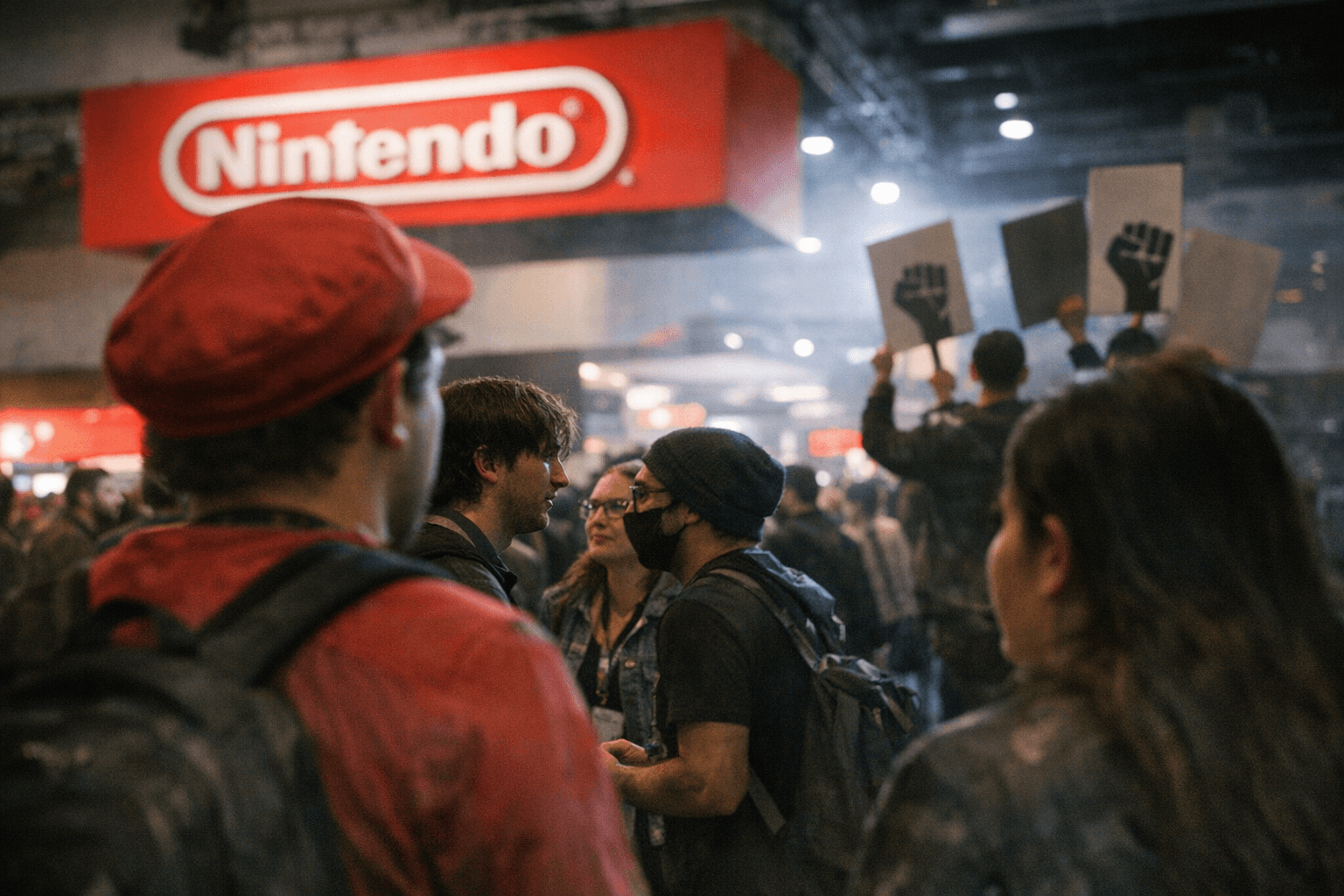
A question is circulating inside large game publishers with growing urgency: when organizers show up at the Game Developers Conference, what does that actually mean for the people back at the studio? For Nintendo employees, that question has become harder to ignore after two consecutive GDC cycles produced measurable, accelerating momentum around worker organization across the industry.
The pattern is not subtle. Each year, the concentration of organizing conversations, panels, and informal networking at GDC has grown, drawing in employees from major publishers who arrive as attendees and leave with sharper awareness of what collective action looks like in practice. For individual contributors, studio leads, and HR professionals at companies like Nintendo, the conference has effectively become an annual barometer for where the industry's labor culture is heading.
Nintendo occupies a particular position in this landscape. Its quality-first development culture, the weight of franchise legacy on every shipping decision, and the structural distance between Japan headquarters and global offices create a workplace dynamic that does not map neatly onto the organizing frameworks being discussed at GDC. Workers asking pragmatic questions about union activity are doing so inside a company where creative standards are unusually high and institutional hierarchy runs deep.
That combination makes the questions more specific, not less urgent. Studio leads want to know what organizing activity at an industry event signals about their own teams. HR professionals are trying to read whether conference momentum translates into formal organizing efforts back home. Individual contributors are asking the more direct question: should this change how I think about my role?
The last two GDC cycles suggest those questions will keep intensifying. Worker organization in games has moved from a fringe conversation to a recognized track at the industry's largest annual gathering, and the companies whose employees attend in large numbers are the ones most likely to feel the downstream effects.
This article was produced by Prism’s automated news system from verified source data, official records, and press releases, then run through automated quality and moderation checks before publishing. The system is built and supervised by the people who set the standards it runs under. Read our full AI policy.
Did this article answer your question?