Nintendo Workers May Miss Benefits Without Clear Pay Literacy
A generous package can still leave money on the table if you cannot read it. At Nintendo, knowing the fine print can determine whether pay, leave, and benefits actually work for you.
A generous package can still leave money on the table if you cannot read it. That is the quiet problem hiding behind a lot of good compensation programs: the benefit exists, but the worker never fully uses it.
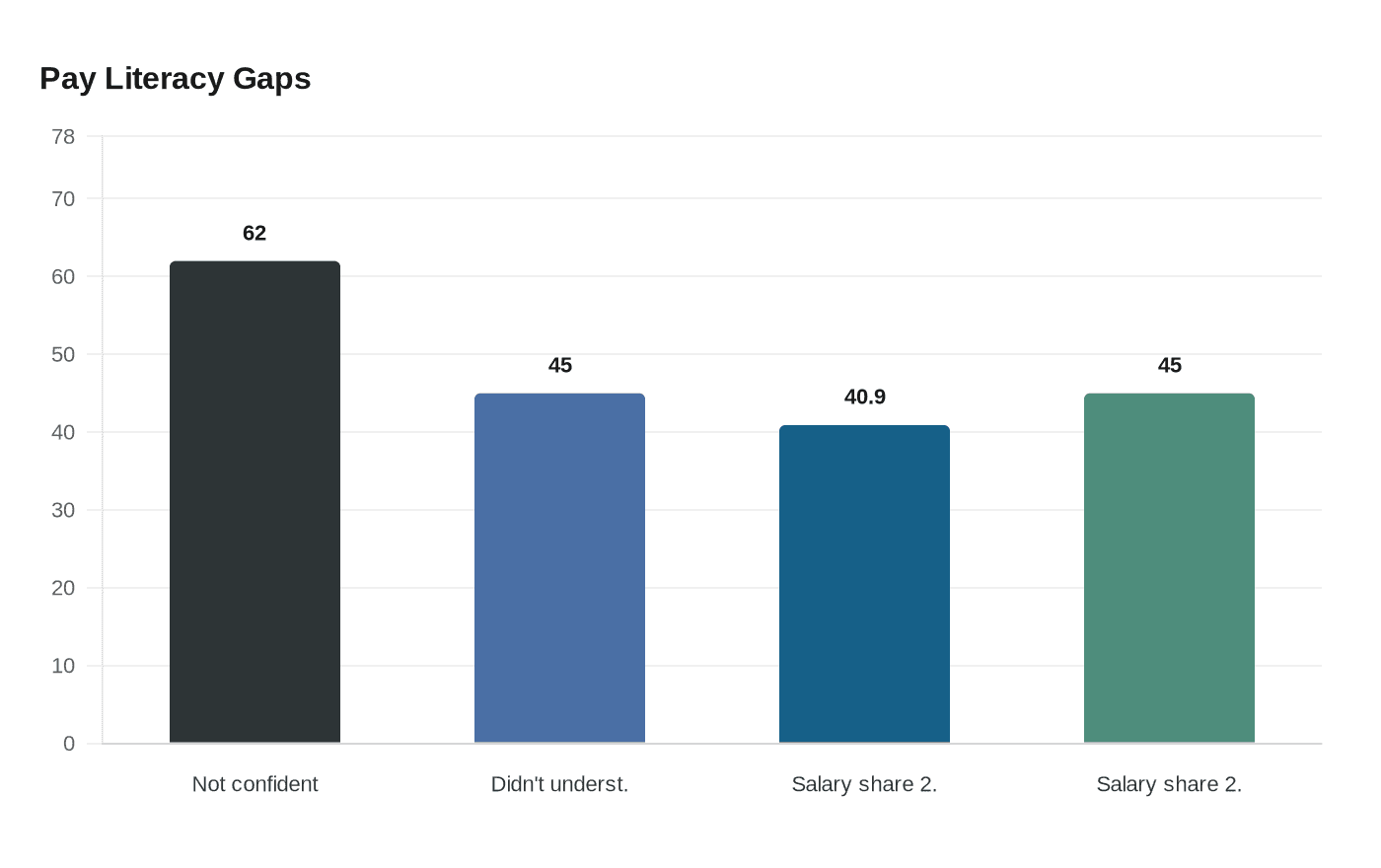
SHRM’s pay-literacy guidance puts a number on the gap. MetLife found that 62% of employees were not completely confident they knew about all the benefits offered to them, and 45% did not fully understand their package. That matters because the best rewards program is not the one that looks strongest in a slide deck. It is the one employees can explain to themselves, use correctly, and compare against other options without guessing.
Why pay literacy matters more than most workers think
SHRM’s view is straightforward: helping employees understand total rewards can reduce financial stress, which can otherwise drain focus and decision-making at work. That is not a soft idea for a company like Nintendo Co., Ltd., where long development cycles, product quality standards, and cross-functional coordination demand attention over months and years. If an employee is unsure whether they are using their retirement match, whether their healthcare choice fits their family, or how much paid leave they can actually take, the cost is not just confusion. It is missed value.
This is also a business issue. SHRM says compensation and benefits are among employers’ largest expenses, and its 2025 total-rewards materials cite salaries as a median 45% share of operating expenses, up from 40.9% in 2022. In other words, companies are already spending heavily on pay. If workers cannot use those dollars well, both sides lose: employees leave value on the table, and employers fail to get the retention and engagement those dollars are supposed to buy.
What Nintendo workers should read first in their package
The most useful way to approach compensation is to treat it as a system, not a single number. Base pay matters, but so do the pieces that can quietly add up over a year.
- Base salary and bonus rules: Know when cash is paid, what triggers it, and whether targets are guaranteed or performance-based.
- Retirement benefits: Check whether you are getting the full employer match, what the vesting rules are, and how quickly you have to act to capture the full value.
- Healthcare selection: A plan that looks cheaper on paper can cost more if your family uses more care, prescriptions, or specialists.
- Paid leave: Understand how vacation, sick time, parental leave, and any special leave categories are defined, approved, and rolled over.
- Tax-advantaged accounts: If you have access to health or dependent-care accounts, use them intentionally. They can be valuable only if you know the contribution limits, eligible expenses, and deadlines.
- Long-term incentives or equity-linked awards: If your role includes them, compare vesting schedules, tax timing, and how long you need to stay to capture the value.
The point is not to memorize every policy. The point is to know where the hidden value sits.
Why the Nintendo environment makes clarity even more important
Nintendo’s own employee materials say the company is working to create an environment where each employee can realize their maximum potential. Its CSR materials focus on employees through diversity, talent cultivation, workplace health and safety, and building an engaging work environment. That is a broad promise, but it only becomes real if workers can see how the company’s rewards connect to daily life.
That is especially true in a global company where employees may span Japan HQ, regional offices, contractors, and hybrid teams, each with different benefit structures and tax environments. A worker in Kyoto may be dealing with a different system than a colleague in the United States, and the practical meaning of “good benefits” can shift with local labor rules, healthcare norms, and tax treatment. The package may be strong in every location, but it will not be equally legible everywhere.
Nintendo’s governance materials reinforce that broader view. The company says it aims to maximize long-term, continuous corporate value while considering not just shareholders, but also consumers, business partners, employees, local communities, and other stakeholders. For workers, that means employee experience is part of the value story, not an afterthought. Pay literacy is one of the clearest ways to test whether that promise reaches the paycheck.
How to judge a rewards package like a pro
The smartest move is to stop asking only, “Is this generous?” and start asking, “Can I actually use it?”
1. Get the plan summary, not just the headline number.
The top-line salary or bonus target rarely tells you what you need. Ask for the rules that govern eligibility, timing, and exclusions.
2. Translate every benefit into a real-life use case.
If you have a family, a health plan should be judged against likely medical usage. If you are planning to stay several years, retirement match and vesting matter more. If you expect a move, promotion, or internal transfer, compare the after-tax and after-benefit value, not just the posted pay rate.
3. Look for the hidden cost of not using something.
Leaving money in a retirement plan, missing a deadline for a tax-advantaged account, or choosing the wrong medical plan can cost real money over a year.
4. Compare internal and external offers on total value.
A slightly lower base salary can still win if it comes with stronger leave, better retirement support, or cheaper healthcare. The reverse is also true.
The bigger signal in MetLife’s data
MetLife’s March 2025 findings make the broader stakes hard to ignore. The company said employee holistic health, productivity, and engagement had declined, and that financial concerns and economic uncertainty were major stressors. That fits the pattern SHRM is warning about: when workers are worried about money, they are less likely to use benefits well, and less likely to feel confident about what their employer is offering.
MetLife also found that employees who are more confident in their knowledge of available offerings are 16% more likely to be engaged at work. That is a powerful reminder for Nintendo workers and managers alike. Better benefits communication does not just help people feel informed. It can help them stay focused, stay engaged, and stay longer.
At a company where quality-first culture depends on careful execution, compensation literacy is not paperwork. It is part of how a strong reward package becomes real pay, real protection, and real value in everyday life.
This article was produced by Prism’s automated news system from verified source data, official records, and press releases, then run through automated quality and moderation checks before publishing. The system is built and supervised by the people who set the standards it runs under. Read our full AI policy.
Did this article answer your question?
