Nintendo’s Switch 2 update page highlights ongoing support work
Nintendo’s 22.5.0 page shows how a routine firmware note turns into steady work for QA, localization, support, and release teams.
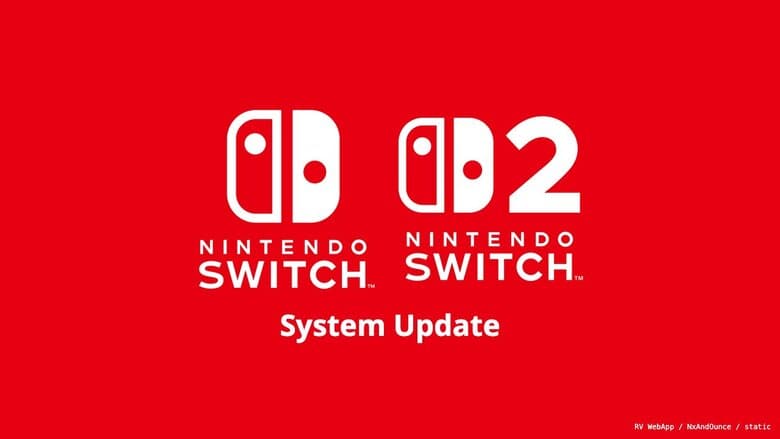
Nintendo’s Switch 2 update page looks routine, but it points to a constant workload that does not end at launch. The company says it keeps improving the functionality of its systems and services, and the page makes clear that the work is delivered through internet-based updates, support history, and accessibility changes. For the people building, testing, localizing, and supporting the hardware, firmware is part of the product, not a background detail.
The support page is a work log, not just a notice
Nintendo’s Australia support page lists the latest Nintendo Switch 2 system update as version 22.5.0, released June 16, 2026. The same support material says the console will usually automatically download the most recent update while connected online, which means the update process is built into the platform’s normal operating rhythm. Nintendo also keeps a separate System Update History for Nintendo Switch 2 page, a sign that firmware is treated as an ongoing record rather than a one-off patch.
That matters because Nintendo frames system updates the same way across its Switch 2 and original Switch support pages: if a system is not current, the user is directed to download the latest update. In practical terms, that creates steady work for release managers, engineers, QA testers, and customer support teams long after a console has shipped. The product may feel simple to players, but the support structure behind it is being maintained continuously.
What update cycles mean inside Nintendo
A page like this shows why a platform is never really finished. Every firmware release can trigger regression checks, compatibility verification, and support coordination, especially on a device whose brand promise rests on stability and ease of use. For Nintendo, that is not a side task. It is part of how the company protects the experience that players expect from a first-party platform.
The update cycle reaches several internal functions at once:
- QA teams need to retest system behavior against current firmware versions.
- Developers need to verify that a game still behaves correctly when system software changes.
- Release managers need to coordinate timing, rollout, and internal readiness.
- Customer support needs to know what changed so it can answer user questions and handle issue reports.
- Localization and communications teams need the language on support pages to stay clear across regions.
That workload is especially relevant for Switch 2 because system firmware can affect performance, connectivity, peripherals, and online services in ways that are not always obvious before a build goes live. A routine update page therefore carries an operational message for the teams behind the scenes: test against the current platform, not the version that was current last month.
Accessibility is built into the update process
Nintendo’s Switch 2 accessibility support page says users should make sure the console has the latest update installed because some accessibility features are added through system updates. That is a concrete reminder that firmware work is also feature work. If the console is not updated, the user may miss capabilities that are part of the intended experience.
Nintendo’s text-to-speech documentation makes that clearer. On Switch 2, the feature reads text in the HOME Menu, Album, and System Settings, and it can also read operational information such as cursor position. The documentation also points to configurable behavior, including voice type, reading speed, and volume, which means accessibility support is not a static checkbox but a live part of system maintenance.
That is where update work connects directly to internal planning. QA has to verify the feature across system states, localization has to make the language understandable in each market, and support staff has to be ready when users ask why a function is missing or behaving differently. The accessibility page turns a background firmware cycle into a visible part of product inclusion and support readiness.
Why 22.5.0 mattered even as a “small” update
Third-party coverage from IGN, Nintendo Everything, Nintendo Insider, Game Rant, Games.gg, TwistedVoxel, MP1st, and Gamereactor described 22.5.0 as a relatively minor update, but not an unimportant one. The reported changes included Dutch and Russian text-to-speech language support for Switch 2, along with eShop improvements and stability fixes. Some coverage also noted that the firmware affected both Nintendo Switch 2 and the original Nintendo Switch, which broadens the support burden across hardware generations.
That cross-generation reach is important for workplace planning. When a build touches both the new system and the original Switch, the coordination stretches beyond one launch window and into ongoing service maintenance, documentation, and compatibility checks. The same update may also prompt questions from users testing headsets, controllers, or other accessories after installation, which sends more work toward support teams and live-operations staff.
The June 2026 update also shows how Nintendo handles polish in practice. The public-facing message is not flashy, but the internal reality is demanding: language support has to be added cleanly, existing services have to stay stable, and the update has to be documented well enough that players and support staff can find it. That is why a quiet support page can tell you more about Nintendo’s workplace reality than a launch-day trailer. The company’s platform work is ongoing, and the people keeping it smooth are part of the product’s core identity.
This article was produced by Prism’s automated news system from verified source data, official records, and press releases, then run through automated quality and moderation checks before publishing. The system is built and supervised by the people who set the standards it runs under. Read our full AI policy.
Did this article answer your question?