NLRB Guidance Details Protected Organizing, Anti-Retaliation, Weingarten Rights for Nintendo Workers
NLRB guidance clarifies workers' rights to organize, protections against retaliation, and Weingarten interview rights for Nintendo employees and contractors.
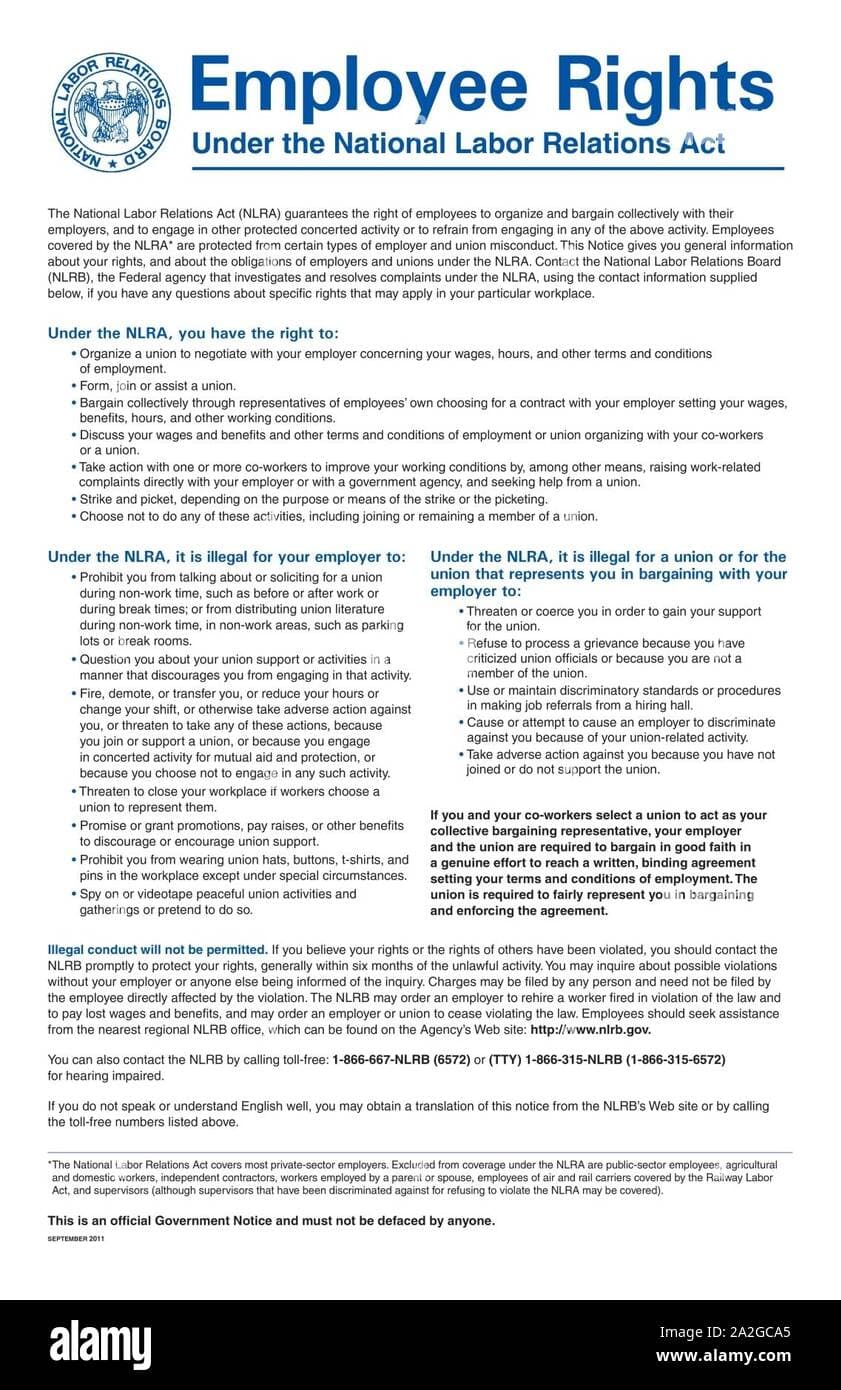
The National Labor Relations Board has published clear guidance spelling out private-sector employees' rights to organize, engage in concerted activity, and seek union representation at investigatory interviews, a development that affects Nintendo employees, contractors, and worker advocates.
Under the guidance, most private-sector employees are protected by the National Labor Relations Act. Section 7 protections cover forming, joining, or assisting labor organizations, bargaining collectively, and discussing wages and working conditions with coworkers and third parties. The NLRB makes explicit that informal discussions about pay or staffing and coordinated efforts to improve conditions typically qualify as protected concerted activity.
The guidance also warns employers against interference and retaliation. Section 8(a)(1) and related provisions render unlawful many common anti-organizing or coercive practices, and affected employees may file unfair labor practice charges if they believe their rights were violated. Remedies for proven violations can include reinstatement, back pay, corrected postings that notify employees of their rights, and other orders intended to restore collective-bargaining rights. The NLRB may also facilitate settlements in appropriate cases.
Weingarten rights are a singular highlight for union-represented employees. Those workers have the right to request a union representative during investigatory interviews that could lead to discipline. The guidance explains the obligations of employers and unions in those situations, and clarifies how those rights interact with investigatory processes at non-union workplaces.
Contractors and workers placed through staffing agencies are specifically addressed. The guidance covers joint-employer scenarios and explains that complaints can name multiple respondents, such as a company and the staffing firm that placed a contractor. That means contractors who believe they were disciplined or terminated for protected activity can pursue an unfair labor practice charge with the NLRB and should contact the regional office that covers their workplace.

The board has practical tools on hand for workers ready to act. The NLRB provides an e-filing service for charges and petitions, regional office directories, and downloadable fact sheets and brochures in multiple languages. These materials lay out filing procedures, timelines, and what employees can expect during investigations.
For Nintendo staff and adjacent workers, the guidance should reduce uncertainty about everyday conversations and collective action. Discussing wages, staffing or contractor treatment, or organizing with coworkers is often protected concerted activity. Employees who face discipline or termination after such discussions can file a charge and pursue remedies. Union-represented workers should remember their Weingarten rights during interviews.
As organizing and labor questions continue to surface across the tech and gaming industries, this NLRB guidance gives workers concrete steps to level up their voice: document incidents, review the board’s materials, use the e-filing service if necessary, and contact the appropriate regional office. The guidance changes the stakes for workplace conversations and discipline, and it clarifies legal pathways for those seeking to hold employers accountable.
This article was produced by Prism’s automated news system from verified source data, official records, and press releases, then run through automated quality and moderation checks before publishing. The system is built and supervised by the people who set the standards it runs under. Read our full AI policy.
Did this article answer your question?
