Overwatch update highlights Nintendo Switch 2's ongoing support challenge
Blizzard’s latest Overwatch season is more than a content drop. It shows how much live-service support Nintendo now has to sustain if Switch 2 is going to win serious third-party trust.
A live-service update that reaches beyond one game
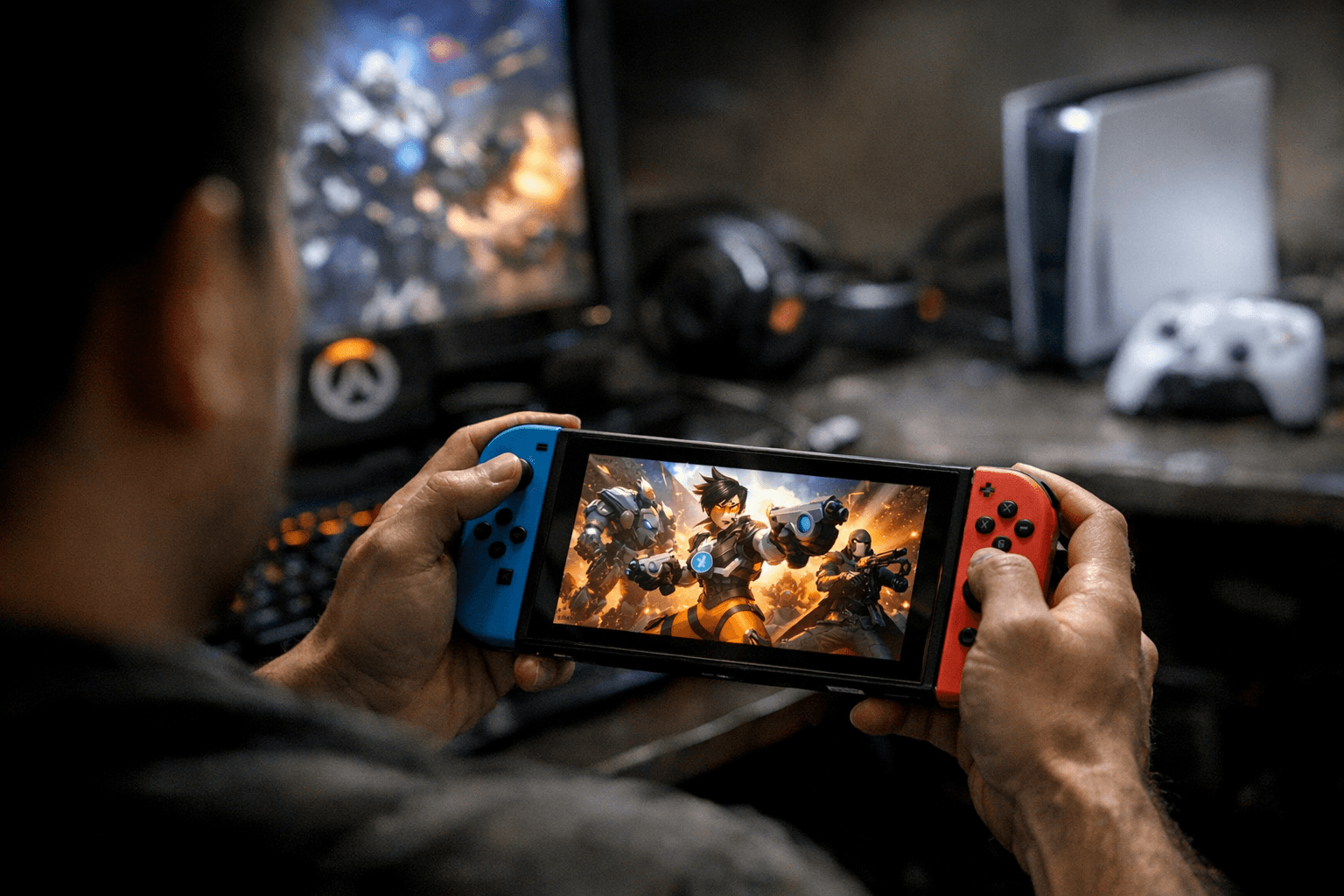
Blizzard’s Season 2: Summit update is the kind of release that tells you what kind of platform Switch 2 is trying to become. It adds a new Damage hero, Sierra, along with a three-week event, a map rework, new Mythics, Stadium updates, a Perks refresh, and the return of post-match celebrations. For Nintendo, that is not just another third-party patch. It is a concrete sign that publishers are willing to build ongoing seasonal support around the hardware, not just ship a one-time port and move on.
That matters because live-service games change the job description for everyone around them. Platform teams have to keep content flowing smoothly, QA has to keep up with constant systems changes, and online-services staff have to treat every balance tweak, event timer, and matchmaking update as part of the product experience. A game like Overwatch on Switch 2 is a reminder that launch day is only the beginning.
What Blizzard actually added
Blizzard’s patch notes describe Sierra as a new Damage, or DPS, Hero, and place her inside the Reign of Talon storyline. The lore framing gives her a specific identity: she is the Head of Security at Watchpoint: Grand Mesa, and Blizzard says her mother was the first test subject in the Soldier Enhancement Program. That kind of character rollout gives the season more than cosmetic weight. It gives the update a narrative anchor that helps support repeated engagement over time.
The rest of the season is built for the same cadence. Blizzard says the update includes Operation: Grand Mesa, the return of Post Match Accolades, and a reworked Antarctic Peninsula. It also brings Mythics, Stadium updates, a Perks mini refresh, and spring looks, which tells you how many moving parts a modern competitive shooter now carries into a single seasonal beat. For a platform holder, that volume of change means more coordination, more patch delivery pressure, and less tolerance for instability.
Why Switch 2 is being judged like a serious live-service platform
Nintendo’s own hardware messaging makes this especially important. The company says Switch 2 hardware is different from Switch hardware, and that some Switch games may not be supported on or fully compatible with Switch 2. It also says compatible physical and digital Switch games can play on the new system, but users should check compatibility before buying. That mix of promise and caution is a useful reminder that backward compatibility is not a static checkbox. It is an ongoing platform issue.
For Nintendo employees, especially in platform, QA, publishing, and network operations, the Overwatch update shows why the standards are rising. A live-service title with regular seasonal content needs stable certification, rapid communication with external partners, and clear rules about what is supported when content changes land. If Nintendo wants Switch 2 to be seen as a first-class home for competitive online games, it has to prove that update-heavy titles can move through the ecosystem without friction.
What the Switch 2 version says about publisher confidence
Blizzard is not treating Overwatch on Switch 2 like an afterthought. Nintendo’s product pages identify it as a Nintendo Switch 2 title and call out the Season 2: Summit update directly. Blizzard also says the game on Switch 2 offers better visuals, higher fidelity audio, and up to 60 frames per second in both docked and handheld play. That is a significant technical claim for a portable-friendly system, and it signals that Blizzard sees enough value in the platform to tune the experience accordingly.
That level of support matters to Nintendo’s business teams as much as to its engineers. Publishers are more likely to invest in hardware when they believe the platform can carry recurring events, not just launch-window enthusiasm. When a game like Overwatch gets a seasonal content model, a narrative event, visual upgrades, and performance targets tailored to the system, it gives Nintendo a stronger argument that Switch 2 belongs in the conversation alongside larger live-service ecosystems.
The pressure on Nintendo’s own teams
The practical pressure is easy to see. Players who can access live-service shooters on Switch 2 will compare their experience with what they get elsewhere, including matchmaking quality, account handling, patch timing, and how quickly event content goes live. That puts network services, customer support, and release management under a sharper spotlight than a traditional boxed game ever would.
Nintendo has always been associated with a quality-first culture, but Switch 2 broadens the definition of quality. It is no longer just about polished first-party software and clean hardware design. It is also about whether the company can make the system feel dependable for always-on games that evolve every few weeks. That means internal teams have to think less like gatekeepers and more like long-term operators of a living platform.
A launch that sets the tone for the next stage
The commercial backdrop makes the stakes clearer. Nintendo launched Switch 2 on June 5, 2025, and said it sold more than 3.5 million units globally in its first four days. That early momentum helps explain why publishers are already treating the machine as worth sustained investment. Once a system shows that kind of reach, the question shifts from whether third parties will come to whether they will stay and keep shipping meaningful updates.
Overwatch’s Season 2: Summit is a useful test case because it combines content depth, technical expectations, and platform trust in one package. Sierra, Operation: Grand Mesa, the Antarctic Peninsula rework, the post-match accolades return, and the broader seasonal refresh all point to the same conclusion: Switch 2 is being asked to support a more demanding class of game. For Nintendo, that means the real challenge is not simply getting partners onto the hardware. It is proving the ecosystem can keep pace with them once they arrive.
Know something we missed? Have a correction or additional information?
Submit a Tip