Retro Studios page reveals how Nintendo describes its partner network
Retro Studios is more than an Austin outpost. Nintendo’s own language shows a partner model built on autonomy, shared standards, and a very high bar.
Retro Studios’ careers page lays out Nintendo’s partner model in plain sight: a studio founded in 1998, wholly owned by Nintendo Co., Ltd., and embedded in a close working relationship that still leaves room for its own identity. The message to candidates is clear. Retro is expected to make award-winning games for Nintendo’s cutting-edge platforms, but it is also expected to bring a distinct creative point of view to the table.
That balance shows up in the way Nintendo describes Austin, Texas. The city is framed as a place known for music, creativity and vibrant culture, and Retro says that energy inspires its team every day. For developers, designers and producers, that is not just branding. It signals that Nintendo wants partner studios to feel locally rooted while staying tightly aligned with the company’s broader standards for polish, playability and franchise stewardship.
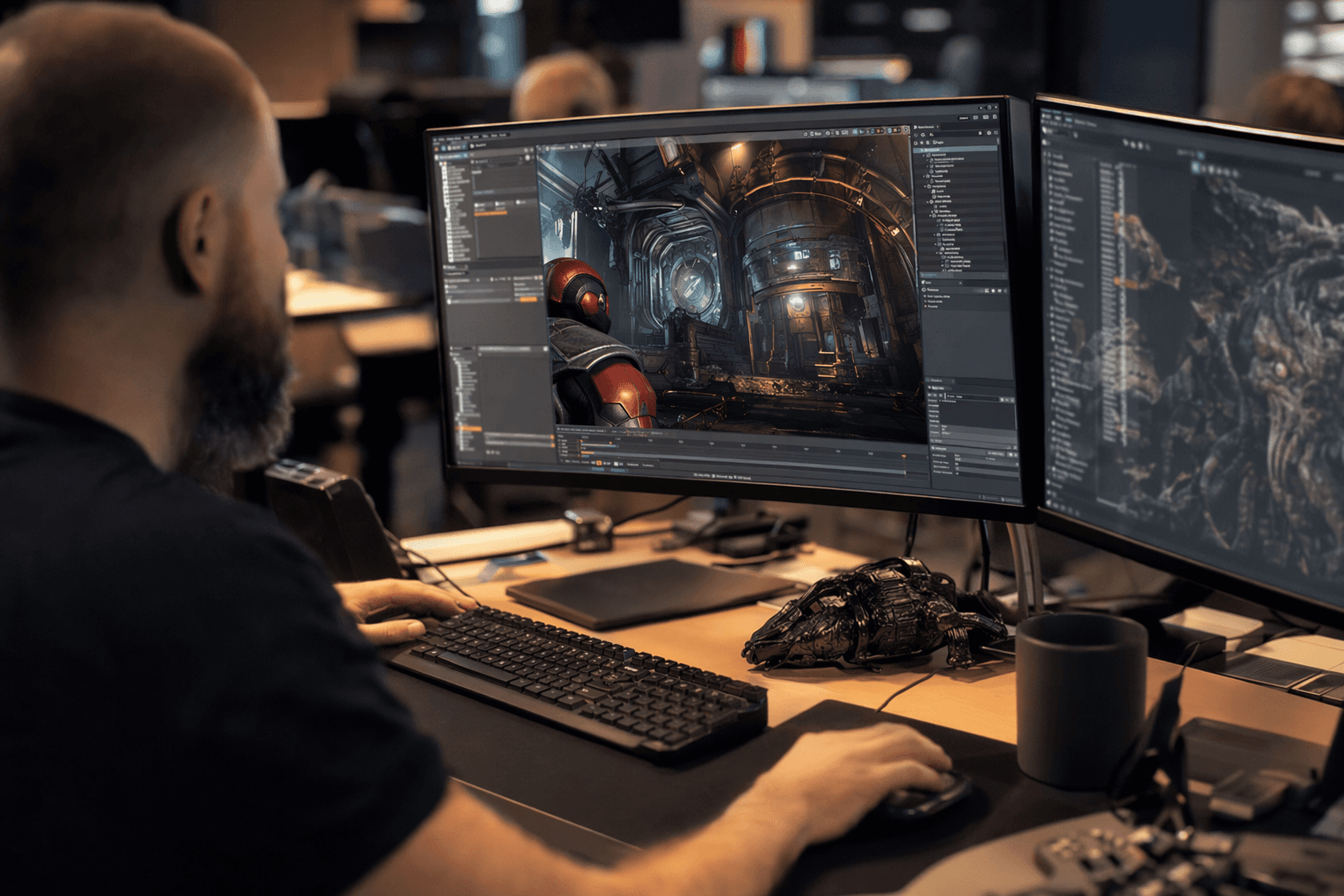
Retro’s public history reinforces why Nintendo trusts it with major work. The studio says it won Game Developers Choice Awards recognition as Rookie Studio of the Year in 2002, the same year Metroid Prime arrived on GameCube on November 18, 2002. That game went on to win peer recognition including Game of the Year and Rookie Studio of the Year, which is the kind of early validation that can define a studio’s reputation for decades. Retro later followed with Metroid Prime 2: Echoes in 2004, then expanded Nintendo’s trust with Donkey Kong Country Returns in 2010, which the studio describes as an all-new platforming adventure for Donkey Kong and Diddy Kong.
The bigger lesson for Nintendo employees is that the company’s external network is not just a contractor list. Retro’s branding, awards history and job postings all point to a long-term development partner model, one built on trust, shared standards and side-by-side collaboration. That matters inside Nintendo because the work of protecting legacy franchises while still trying something new depends on a studio that can handle both humility and ambition at the same time.
Retro’s current openings underline that this is still a full business operation, not just a creative label. The Austin roles are onsite and come with paid weekly wages, health care benefits, paid time off, paid holidays and Nintendo discounts, spanning concept art, environment art, gameplay engineering, graphics and payroll and benefits. For candidates, the signal is straightforward: Retro is looking for people who can thrive in a high-expectation studio that values autonomy, technical rigor and respect for players, while still operating inside Nintendo’s famously exacting quality culture.
This article was produced by Prism’s automated news system from verified source data, official records, and press releases, then run through automated quality and moderation checks before publishing. The system is built and supervised by the people who set the standards it runs under. Read our full AI policy.
Did this article answer your question?
