Super Mario Galaxy Film Tracks for Massive Opening, Boosting Nintendo Operations Globally
Super Mario Galaxy tracked $350M globally for its Easter five-day opening, activating supply-chain, QA, and licensing sprints across Nintendo's global operations.
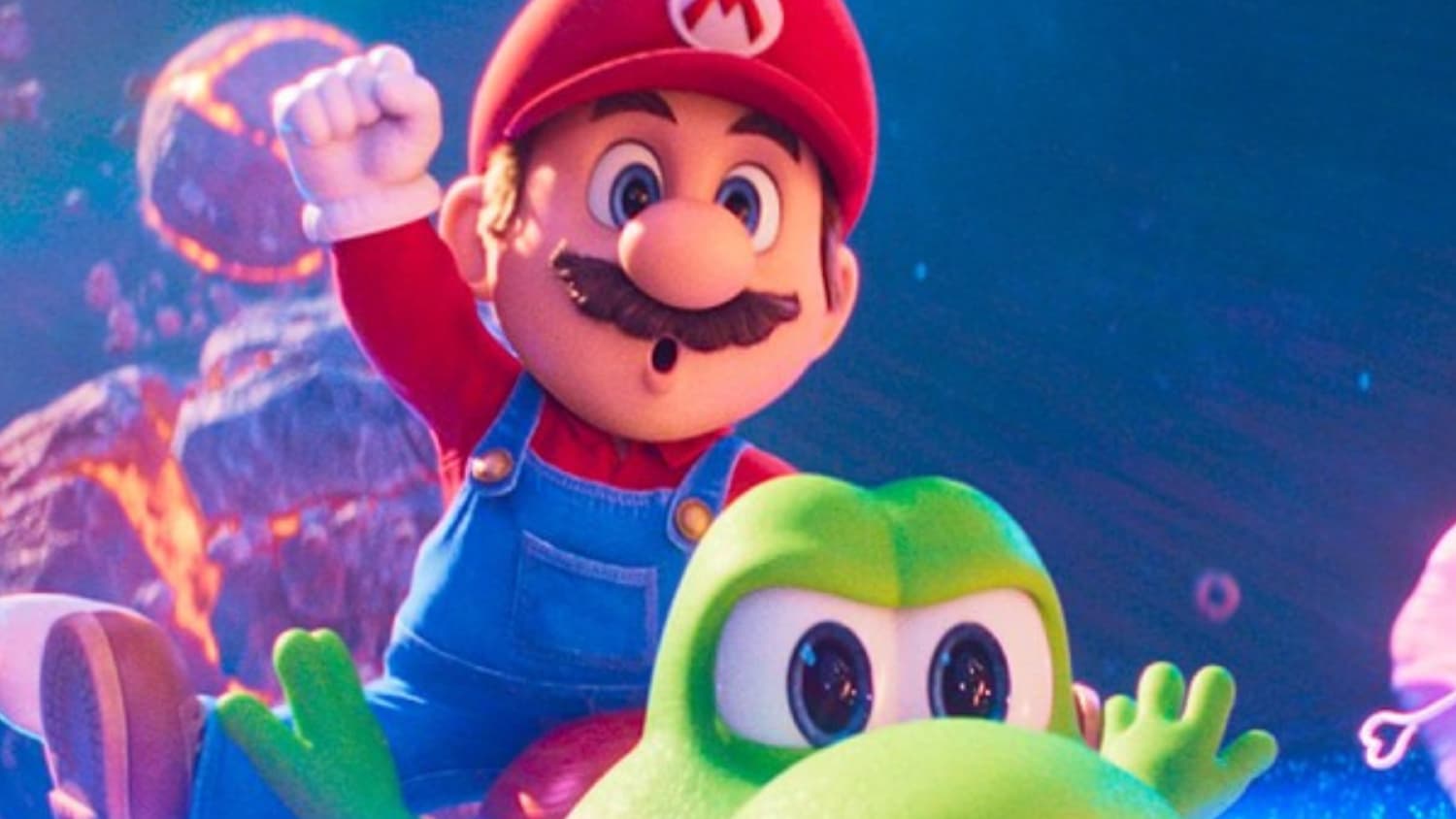
At 4,000 North American theaters this morning, The Super Mario Galaxy Movie began its theatrical run with projections that immediately stressed every corner of Nintendo's commercial pipeline. Industry tracking placed the sequel's five-day global debut at roughly $350 million: $175 million domestic and another $175 million across 79 international markets, with Japan withholding entirely until April 24, when the film drops into Golden Week.
That holdback is a deliberate operational lever, not a scheduling gap. Japan was the top offshore market for the 2023 original, which earned $1.36 billion worldwide and became the highest-grossing video game adaptation in history. By staggering the Japan release, Nintendo and Universal create two distinct promotional peaks for licensing and consumer products teams to plan against rather than a single compressed global wave, effectively doubling the merchandising runway without splitting the marketing budget.
The sequel's advance tracking ran hotter than the 2023 original at the same stage, which compounds urgency throughout Nintendo's supply chain. Consumer products and licensing managers are now locked into confirmation cycles with manufacturing partners over production slots for toys, apparel, and promotional bundles. When a film outpaces its predecessor's pre-release heat, the calculus on air-freight allocations shifts quickly: sea shipments booked months ago may not cover actual sell-through velocity, and the gap between forecast and demand can open to a retail out-of-stock within the opening weekend itself.
The 2023 rollout, produced by Shigeru Miyamoto alongside Illumination's Chris Meledandri, gave Nintendo its first modern data set for mapping box-office momentum to SKU volumes and replenishment timelines. This sequel arrives with that baseline in hand, but the stronger advance heat means licensing teams are managing a scale problem, not just a readiness problem. The Golden Week window for Japan requires its own fulfillment plan, one that runs parallel to, rather than downstream of, the April 1 global launch.
For QA and release management, the theatrical window maps directly onto digital sprint schedules. Any in-game promotions tied to the film, whether eShop discounts, limited-time cosmetics, or timed cross-promotional events, require platform certification and region-by-region ratings board clearances before the film opens. Engineering teams supporting the April 24 Japan window face a compressed runway, with certification turnarounds for domestic ratings authorities squeezed against a fixed theatrical calendar that cannot move.
The risk profile is asymmetric at this scale. A $350 million opening brings a large wave of new and returning players into Nintendo's live ecosystem, surfacing low-priority bugs at traffic volumes that standard load testing rarely replicates. Quality engineering and live-ops teams flagged this dynamic after the 2023 film funneled millions of lapsed players back into active sessions in a matter of days. If projections hold, the Galaxy sequel would be the biggest animated opening of 2026, which means Nintendo's quality-first culture is now being stress-tested not just on a game launch cadence, but on a Hollywood calendar it can influence but does not control.
Know something we missed? Have a correction or additional information?
Submit a Tip