USPTO Rejects Nintendo's Summon-and-Fight Patent, Forcing Legal Strategy Rethink
Two of Nintendo's own earlier patent filings helped the USPTO sink all 26 claims of its "summon and fight" patent, forcing a legal strategy reset.
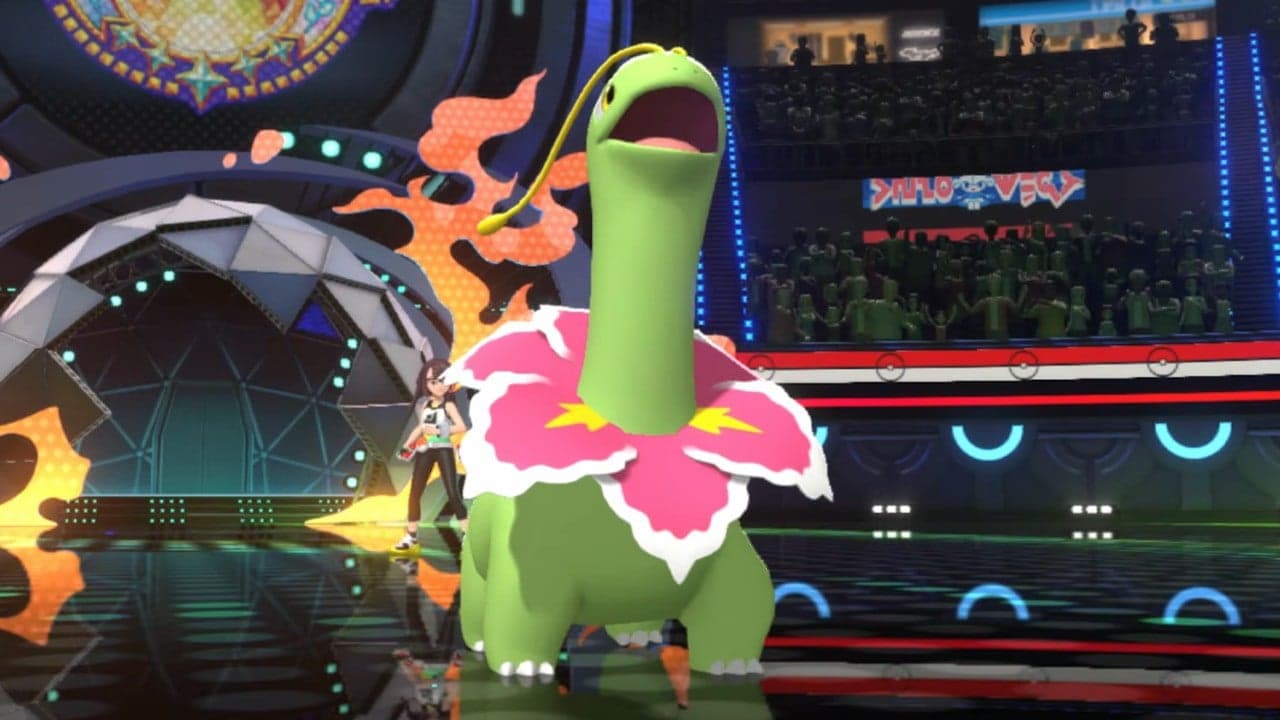
The prior art that felled U.S. Patent No. 12,403,397 did not come entirely from competitors. Two of the four patent applications the USPTO examiner cited against Nintendo's "summon character and let it fight" patent were filed by Nintendo itself. The other two came from Konami and Bandai Namco. Together, they were enough to reject all 26 claims on prior art grounds, delivering a significant procedural blow to Nintendo and The Pokémon Company, which hold the patent jointly.
The rejection followed an order by USPTO Director John A. Squires in November 2025 for the patent to be reexamined, an uncommon directive that already signaled examiner skepticism. Nintendo did not respond to that initial order. When the non-final rejection landed in early April, the examiner had split the 26 claims into two groups: 18 were deemed obvious as combinations of two prior art references, and the remaining 8 were rejected as obvious combinations of three.
The non-final designation is the operative word for Nintendo's legal teams. The company has two months to respond, a window that can be extended on request, with options including technical rebuttals to the examiner's findings, narrowing or amending claims to survive renewed scrutiny, or escalating to the Federal Circuit on appeal. Each path carries real cost in legal resources and reshapes IP litigation priorities that had been built around this patent's enforceability.
The stakes are sharpened by the active litigation against Pocketpair's Palworld in a Tokyo court, where patent claims sit at the center of the case. A USPTO non-final rejection carries no direct legal weight in Japanese proceedings, but the documented finding that the "summon and fight" mechanic is obvious and well-precedented across multiple companies gives Pocketpair's defense additional tactical grounding, even outside the Tokyo courtroom.
For licensing teams, the recalculation is immediate. Enforcement posture against alleged imitators of the Pokémon formula was built on the assumption of a broad, valid patent. That assumption now requires revision until Nintendo's response clarifies whether any narrowed version of the claims can hold. Engineering and design leads on franchises where the mechanic is foundational, Pokémon most visibly, will want to understand how any amended scope affects feature-level decisions before the next development cycle locks in direction.
Nintendo has long anchored its competitive identity to aggressive IP protection, and a rejection of a patent that drew immediate public criticism as overly broad when granted in 2025 sharpens the narrative challenge for communications and investor relations teams. The company's next move inside the patent office will carry weight well beyond the legal department.
This article was produced by Prism’s automated news system from verified source data, official records, and press releases, then run through automated quality and moderation checks before publishing. The system is built and supervised by the people who set the standards it runs under. Read our full AI policy.
Did this article answer your question?
