Xbox Drops Copilot Plans, Signals Shift Toward Faster, Simpler Gaming
Xbox is shelving console Copilot and scaling back the mobile version, a sign that AI tools now have to speed up play, not just show up.
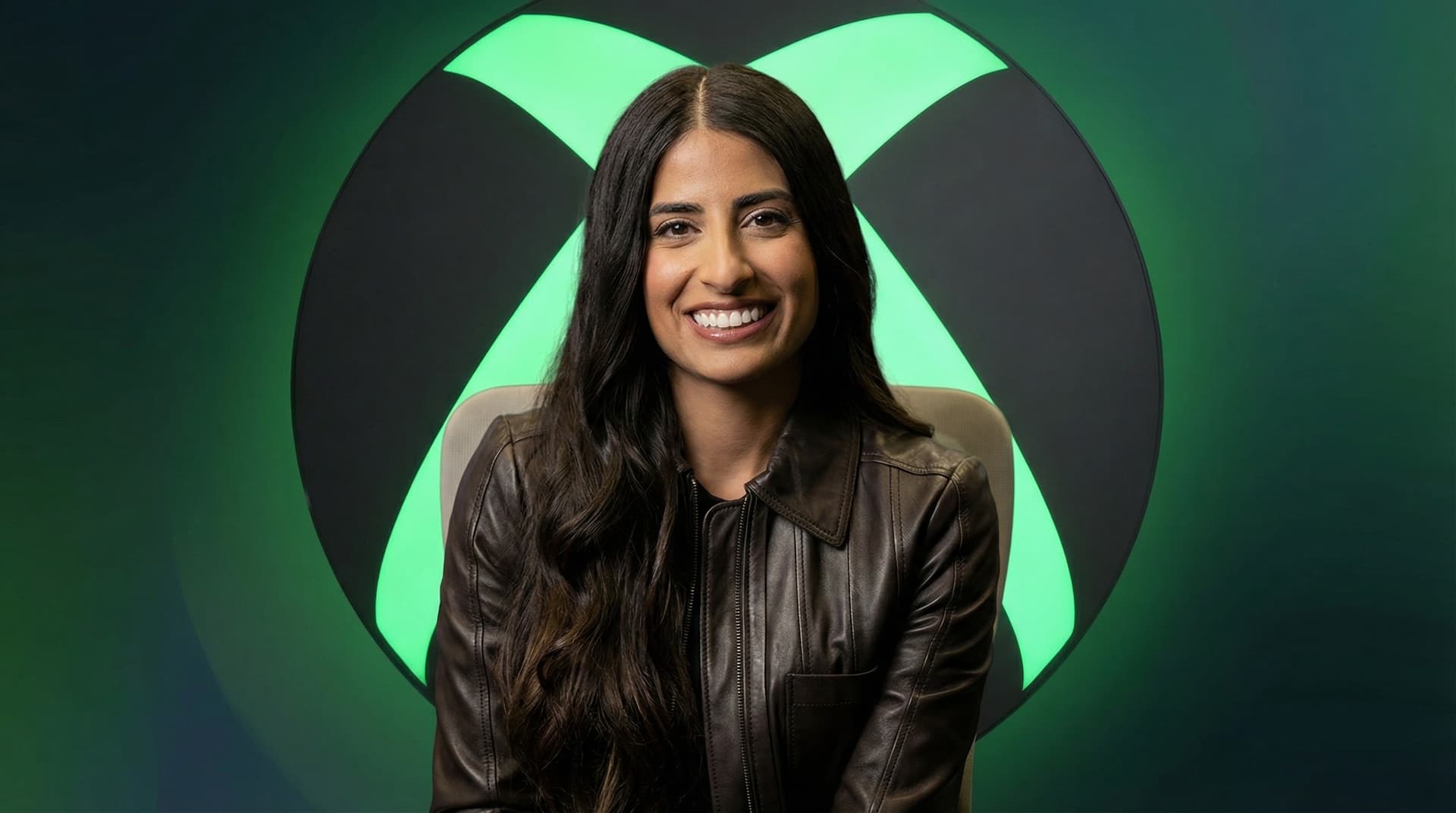
Asha Sharma’s first clear signal as head of Microsoft Gaming was a retreat. Xbox said it was stopping development of Copilot on console and winding down the mobile version, a sharp turn for a feature Microsoft had spent 2025 pitching as a way to help players get to play faster, sharpen skills and find recommendations.
The shift matters because Copilot had been positioned as a centerpiece of Xbox’s consumer AI push. Microsoft first rolled out a beta on mobile in May 2025, then said in October that Gaming Copilot would come to Windows PC and Xbox mobile as a personal gaming sidekick. By the November 2025 Xbox update, the beta was available in the Xbox mobile app. Less than a year later, Microsoft is saying that path no longer fits where the business is headed.
Sharma, named executive vice president and CEO of Microsoft Gaming on Feb. 20, 2026, is taking over at a moment when Xbox is trying to simplify itself. In an April 23 post, Xbox said its core experiences, including search, discovery, social and personalization, still felt fragmented. It also said new feature drops on console had become less frequent and that its presence on PC was not strong enough. The company has also been reshuffling leadership, with Phil Spencer retiring from Microsoft and Sarah Bond resigning in February, followed by departures from Lori Wright and Haiyan Zhang in March.
The business pressure is real. Microsoft said Xbox set new records for monthly active users in fiscal Q3 2026, but Game Developer reported that gaming revenue still fell by $380 million year over year, a 7% decline, while hardware revenue remained in decline. That mix helps explain why the company is moving away from features that look novel but do not clearly sharpen the core product. In Microsoft’s own framing, the test is no longer whether an AI feature can be demoed. It is whether it reduces friction.
For Nintendo workers, that is the useful takeaway. A quality-first culture can absorb a lot of ideas, but it does not reward clutter for long. If consumer-facing AI cools, the durable skills are likely to be the ones that improve internal tools, search and discovery, content recommendations, support systems, QA workflows and localization pipelines. Those are the areas where AI can cut time without getting in the way of play, and where a platform team can prove the feature belongs.
Nintendo’s investor-relations site lists a fiscal 2026 earnings announcement for May 8, 2026, putting its own performance conversation right beside a rival that is still chasing scale, still claiming more than 500 million monthly active users, and still deciding which AI features are worth keeping.
Know something we missed? Have a correction or additional information?
Submit a Tip