California delivery law forces full refunds, tip transparency on app orders
California’s refund law gives app customers a clearer right to money back, and Pizza Hut stores will feel that pressure in remakes, call volume, and dispute handling.
What changed for delivery orders
California’s new delivery rules push app orders toward a much tougher standard: if a delivery never arrives, or the wrong food shows up, customers can expect a full refund, including fees in qualifying cases. The law also covers partial deliveries, so if only part of the order makes it to the door, customers are supposed to be charged only for what they actually received, with taxes, fees, and gratuities adjusted to match.
That matters because it changes the feel of a delivery problem. A missing pizza is no longer just a customer-service headache that a platform can smooth over with credits, apologies, or a scripted chat flow. In California, it is increasingly a refund event, with the app expected to make the customer whole unless the customer caused the problem or the request looks fraudulent.
Why this reaches Pizza Hut even when Pizza Hut is not the platform
For Pizza Hut stores, the direct target may be DoorDash, Uber Eats, Grubhub, or another delivery platform, but the spillover lands at the store counter, the phone line, and the make line. Customers who have been trained by law and app design to expect fast refunds, human help, and clearer accountability do not separate the platform from the restaurant when something goes wrong. If the bag is missing an item, the pizza is late, or the handoff is messy, the store is usually where the dispute starts.
That creates a practical tension for restaurant teams. More refund rights can mean more remake pressure, more calls asking who will fix the order, and more back-and-forth over whether the kitchen packed the wrong items or the driver never delivered them. For managers, the issue is less about reading the statute and more about whether store workflows are tight enough to survive a more aggressive refund environment.
Human help is now part of the expectation
AB 578 does more than promise refunds. It requires delivery platforms to give customers a clear customer-service feature that can connect them to a natural person if automated support cannot solve the problem. That is a small-sounding detail with big practical consequences: it tells customers they are entitled to escalation when the chatbot stalls out.
For Pizza Hut teams, that matters because automation failures do not stay on the platform. They spill into the store when a customer hangs up frustrated and calls the restaurant instead, or when a driver arrives with questions the app did not answer. The more the law pushes platforms to provide real human backup, the more customers will expect the same from the store if they think the restaurant is part of the problem.
Tips, gratuities, and pay transparency are now part of the same conversation
The law also reaches into tip handling, which has direct implications for drivers and indirect implications for store teams trying to keep delivery service smooth. Customers must be able to adjust a pre-delivery gratuity and request that the gratuity be refunded to the original payment method. If that is not feasible, the platform must provide an alternate refund method for the gratuity.
Just as important, the law bars platforms from using customer tips to offset a driver’s base pay. Drivers must also receive an itemized breakdown of pay that shows base pay, gratuity or tips, and promotional bonuses. That pushes the whole delivery ecosystem toward more transparency, and it changes the way workers talk about pay, fairness, and order accuracy.
For Pizza Hut drivers, that means tip disputes are no longer a fuzzy side issue. They are part of a public conversation about whether the platform is treating gratuities as real customer-paid money or as a bookkeeping tool. For store managers, it means delivery friction can quickly become a labor issue, especially when drivers blame the platform, the customer, or the store for lost income or bad handoffs.
How the law grew out of California’s earlier delivery rules
AB 578 did not appear in a vacuum. California already had delivery-platform rules under AB 286, chaptered in 2021, which required cost-breakdown disclosures for customers. The newer law builds on that foundation and pushes further, adding direct refund rights, human customer-service access, and worker pay disclosure.
That progression tells you where California is heading: first disclosure, then accountability, then a stronger right to be made whole when something goes wrong. The law was signed in October 2025 and took effect January 1, 2026, which means it is already part of the operating environment for app-based ordering in the state. Pizza Hut teams in California should treat it less like a future compliance question and more like the new baseline customer mindset.
What the law changes on the ground in a Pizza Hut store
The biggest operational risk is not a lawsuit. It is the way refund rights change customer expectations moment by moment. A customer who knows the app may owe them a full refund is less willing to accept a vague explanation that the driver left the order elsewhere or that the platform can only offer credits.
That means store teams need cleaner execution at the points that actually trigger disputes:
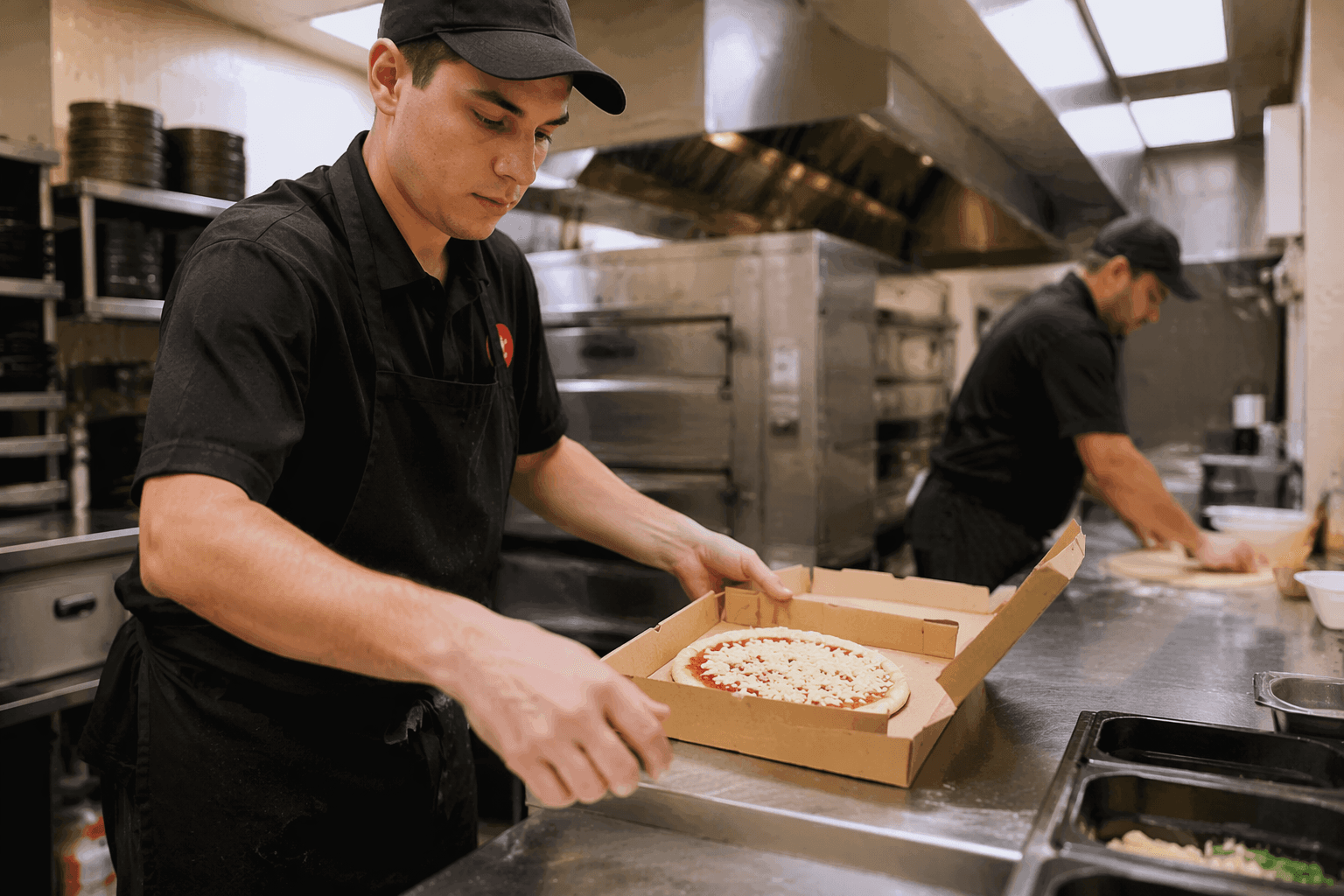
- Item checks need to be tighter before the bag leaves the store.
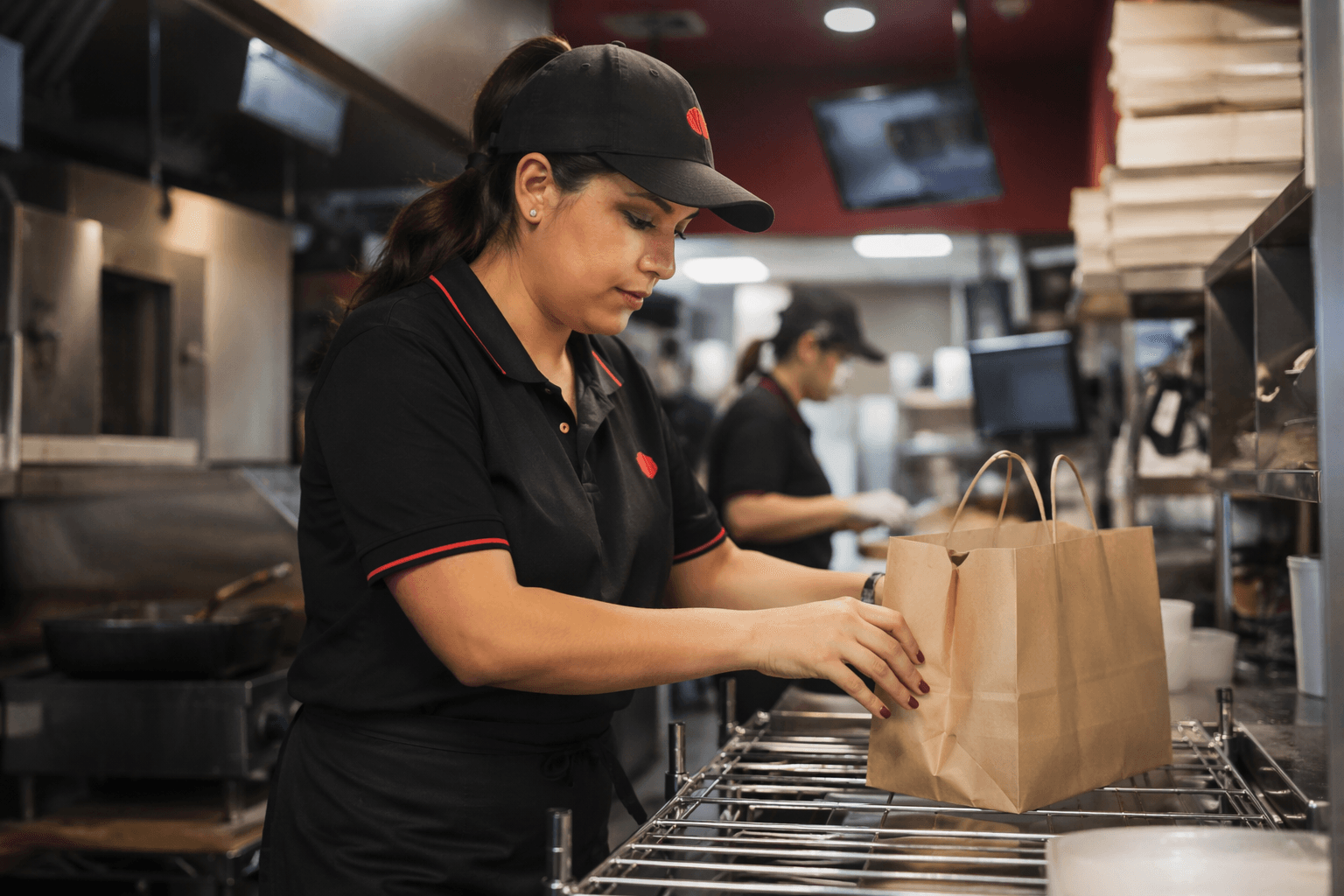
- Packaging needs to reduce the chance of missing sides, drinks, or specialty items.
- Handoffs need better documentation so the store is not blamed for a problem caused downstream.
- Managers need faster escalation paths when a customer says the order was wrong, incomplete, or never arrived.
In practical terms, the law raises the cost of sloppiness. If a Pizza Hut location is already stretched, the refund standard will not make the shift easier. It will make mistakes more visible, more expensive, and more likely to end in a remake, a refund fight, or both.
What managers and drivers should watch next
The clearest lesson for Pizza Hut is that California is setting a customer standard, not just a legal one. Once people get used to a human answer, a real refund, and more clarity around tips and fees, they carry that expectation everywhere else. Even if a store is not directly handling the platform side, it still has to operate as if every error could become a refund case.
For managers, that means delivery is now a service workflow issue, not just a sales channel. For drivers, it means pay transparency and tip handling matter more than ever, because the public conversation around app work is moving toward disclosure, accountability, and who really absorbs the cost when a delivery goes bad. For Pizza Hut as a whole, California is showing where app-based food service is headed: fewer excuses, more documentation, and a much lower tolerance for getting the order wrong.
This article was produced by Prism’s automated news system from verified source data, official records, and press releases, then run through automated quality and moderation checks before publishing. The system is built and supervised by the people who set the standards it runs under. Read our full AI policy.
Know something we missed? Have a correction or additional information?
Submit a Tip