Grubhub expands into Eater, Beli, Alexa+, and Bilt, reshaping delivery discovery
Grubhub's new placements in Eater, Beli, Alexa+ and Bilt push pizza orders deeper into everyday apps, raising the stakes for Pizza Hut's direct channels.
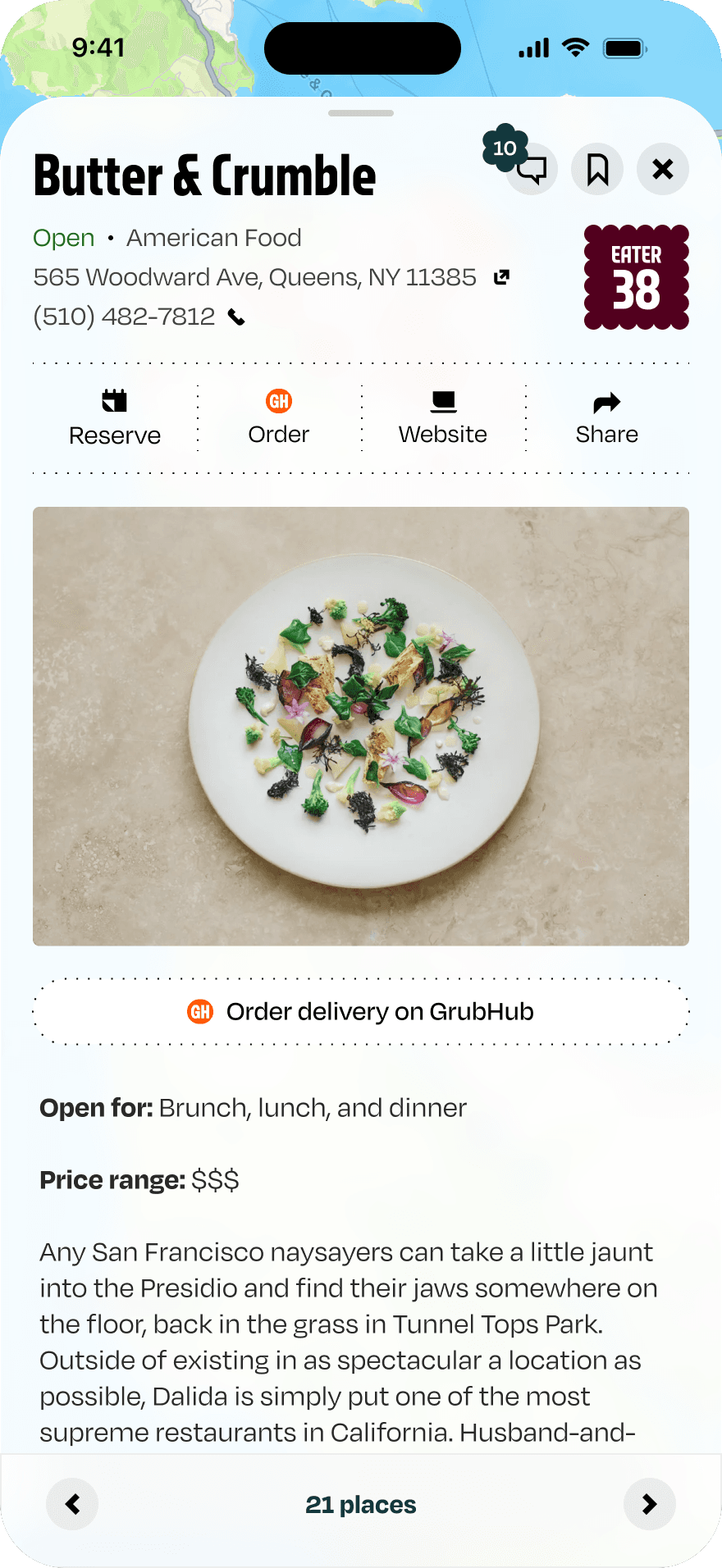
The fastest way a Pizza Hut store gets in trouble is when dinner orders start getting captured somewhere other than Pizza Hut’s own app. Grubhub’s new integrations with Eater, Beli, Amazon Alexa+ and Bilt push restaurant discovery into the places people already browse, listen and shop, which means the fight for a pizza order now starts long before a customer lands on a branded menu.
Grubhub said the integrations, announced June 4, expanded marketing channels for more than 415,000 restaurants and were designed to create incremental demand by connecting “inspiration to purchase.” That matters on the ground because a customer who sees a review on Eater, a recommendation on Beli or a voice prompt through Alexa+ may never think in terms of Pizza Hut’s homepage at all. Bilt members can also redeem $10 in Bilt Cash each month, a $120 annual value, toward Grubhub restaurant delivery, which adds another incentive to order through a platform rather than a chain’s direct channel.
For Pizza Hut managers, the shift changes what gets judged at store level. Menu photos, item descriptions, order accuracy, prep timing and delivery handoff all matter more when the customer’s first interaction happens off-platform. The store is no longer just competing on pizza quality and price. It is competing on whether the order is easy to find, easy to convert and fast enough to survive an embedded checkout flow that may already have the customer ready to buy.
That pressure lands squarely on delivery drivers and kitchen crews too. More demand captured through third-party pathways can mean more orders arriving from channels customers barely notice, even though those platforms shape the pace of the shift. It also puts more weight on speed and reliability, because every delayed pie, missing topping or late handoff can weaken the next order, whether it comes through Grubhub or Pizza Hut directly.
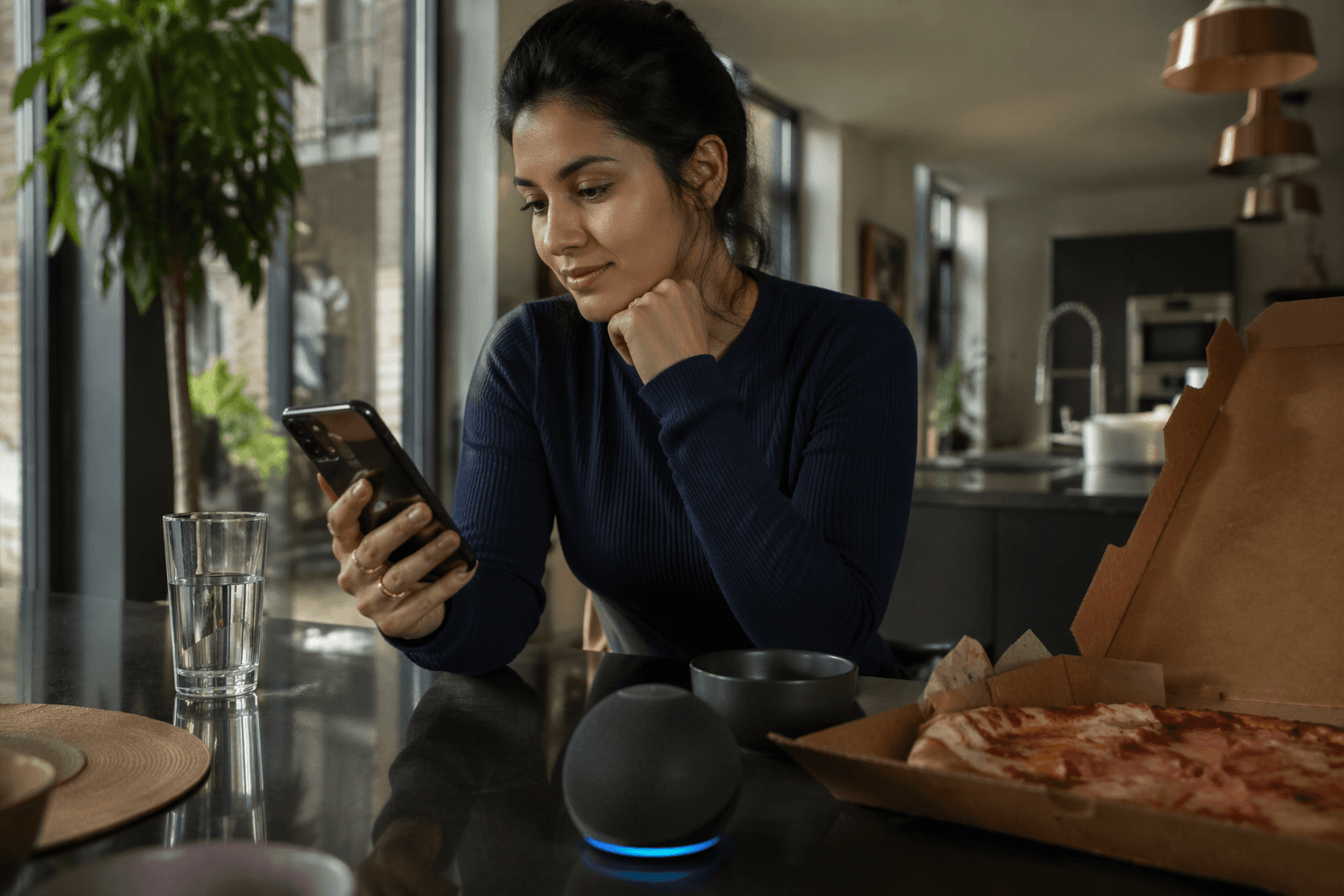
Pizza Hut still leans hard on its own digital business. Its app markets itself as the easiest way to order pizza, wings, desserts and more, with deals, saved orders and Hut Rewards. The chain also says its delivery charge is not a driver tip, a distinction that still matters to drivers trying to separate company fees from take-home pay.
The timing is especially sensitive. Yum! Brands said on November 4, 2025 that it had started a formal review of strategic options for Pizza Hut, after the brand’s U.S. same-store sales fell 1% in the third quarter of 2025. Yum and Grubhub also have a history together, including a 2018 growth partnership, and Pizza Hut’s Delivery Tracker dates back to May 2017. The new integrations show how delivery has moved beyond a single app or website. For Pizza Hut stores, the real battle is now where the order begins.
This article was produced by Prism’s automated news system from verified source data, official records, and press releases, then run through automated quality and moderation checks before publishing. The system is built and supervised by the people who set the standards it runs under. Read our full AI policy.
Know something we missed? Have a correction or additional information?
Submit a Tip