QSR value wars boost traffic, but loyalty still slips at Pizza Hut
Discount traffic is up, but Pizza Hut stores still win or lose on whether the second order comes back.
Value brings the order. Execution decides whether it comes back.
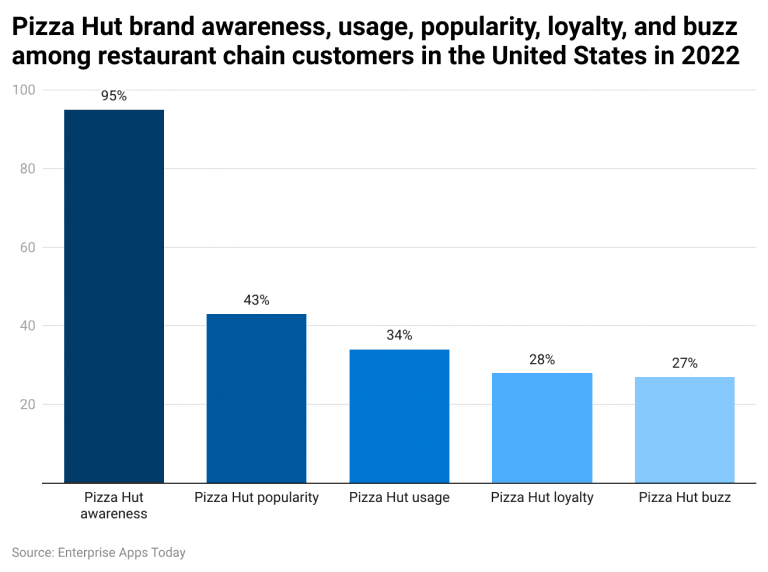
The fastest way for a Pizza Hut store to waste a deal rush is to treat it like a one-night sales fix. Restaurant Dive’s analysis of 18 major quick-service brands found 15 had lower customer retention in May 2026 than in May 2024, with average retention down 1.69 percentage points. McDonald’s got a traffic bump from its $5 Meal Deal, but repeat behavior still lagged where it had started; Wendy’s saw retention fall more sharply, with both transactions and spend weakening. The lesson for Pizza Hut is blunt: cheap food can buy a spike, but only a consistent dinner experience turns that spike into habit.
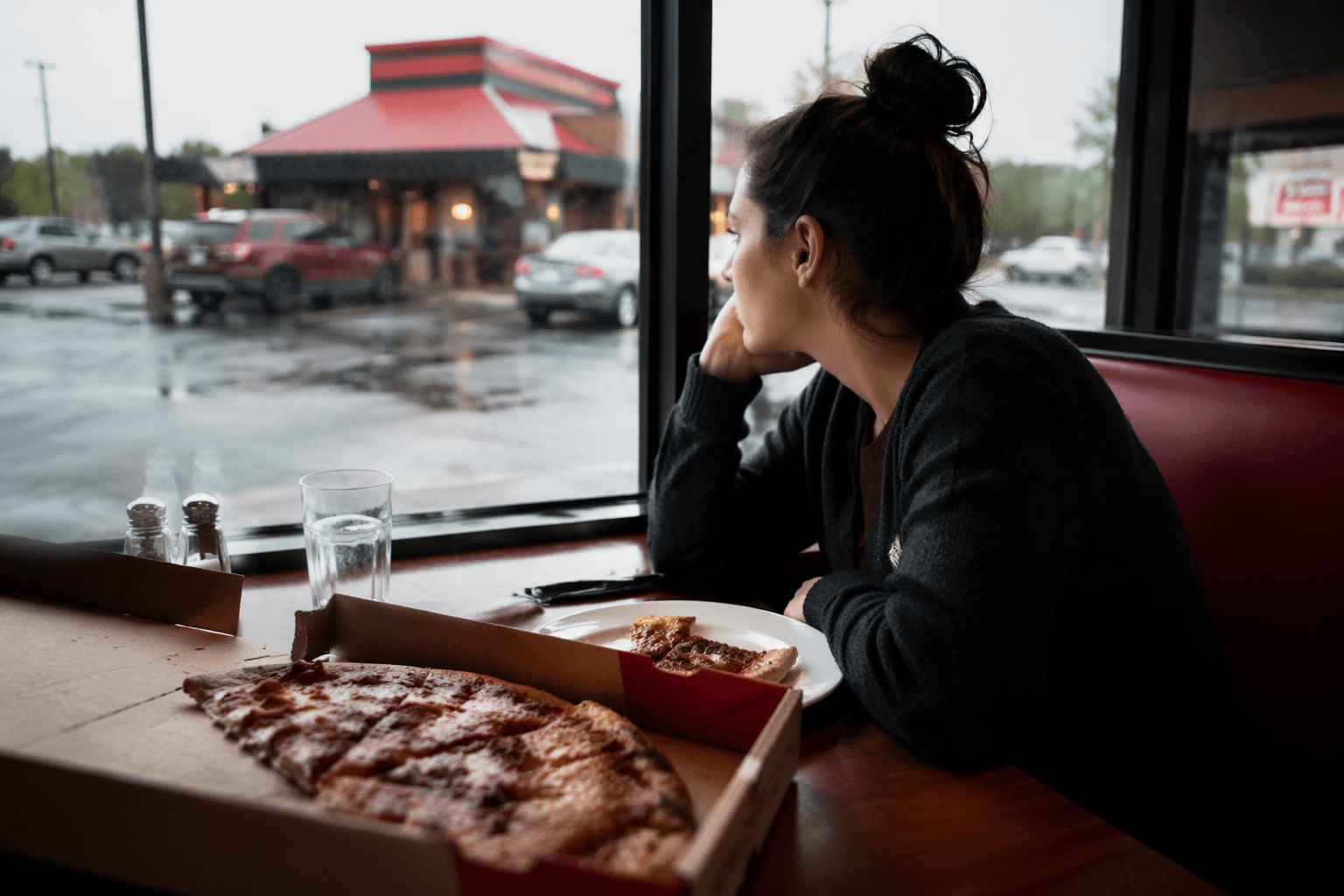
That distinction matters because pizza is already under pressure. Nation’s Restaurant News reported that quick-service pizza sales fell 0.3% in 2025, even as overall restaurant sales rose 3%, and Pizza Hut alone lost 8.2% of sales. Six of the top 10 QSR pizza chains were negative. In other words, the category is not just fighting for price-sensitive customers, it is fighting to avoid training those customers to shop only when a coupon lands in front of them.
What the traffic surge does inside the store
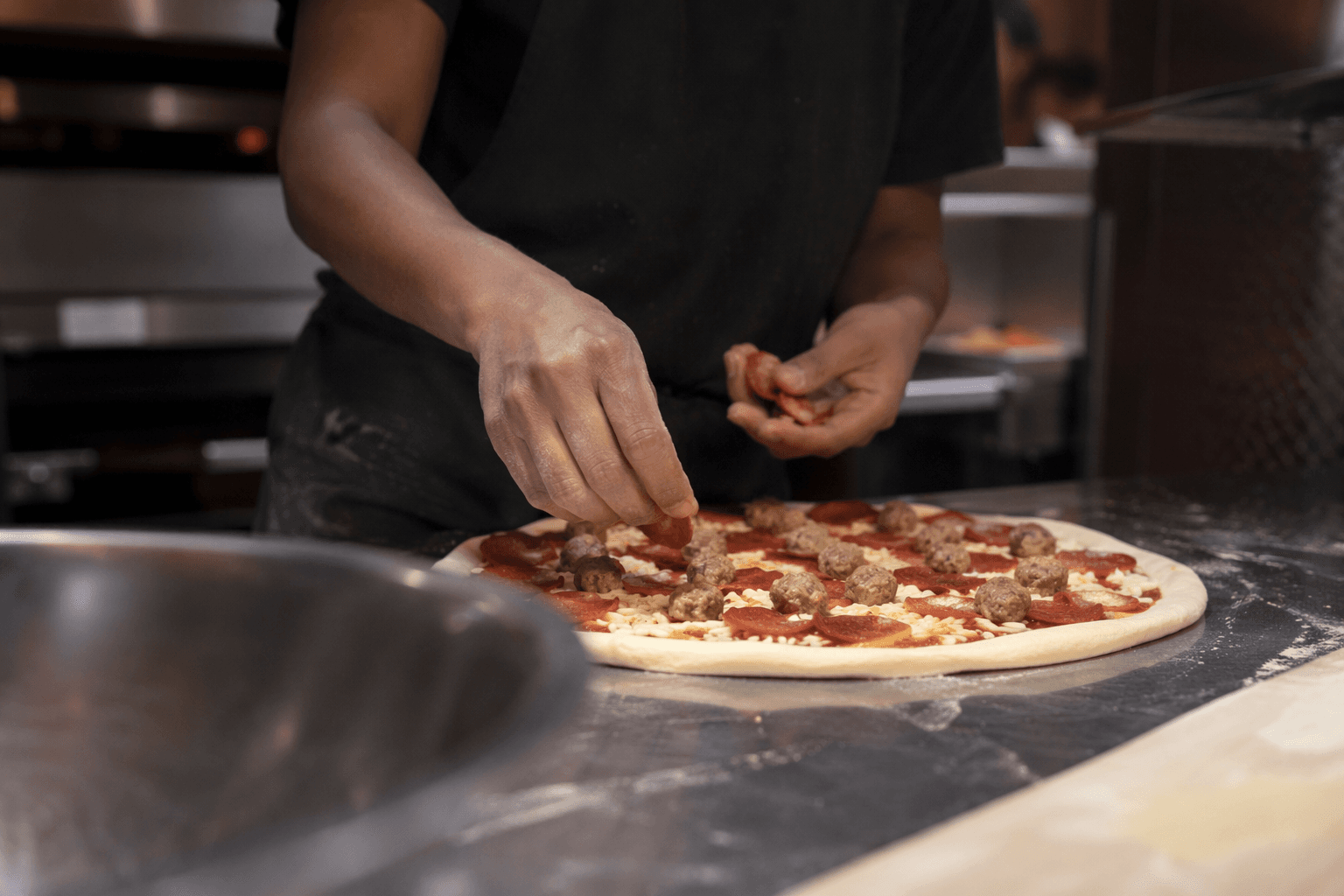
For a Pizza Hut team, a deal-driven rush is not an abstract finance story. It shows up as a fuller make line, a tighter dispatch board, more phone and app orders to manage, and a higher risk of comped remakes when accuracy slips. Drivers feel it in stacked runs, tighter delivery windows, and the difference between a night that produces solid tips and one that creates angry handoffs and fewer repeat orders.
That is why managers need to read promotions as operations plans, not just marketing calendar events. A store can look busy because of a $7 meal offer, the Hut Hook-Up promise, or a daily special like Melts Monday, $3 PPP Tuesday, and Wings Wednesday, but traffic that arrives faster than the crew can absorb it can erase the benefit. If a deal creates pressure without a clean handoff, it may lift today’s ticket count while weakening tomorrow’s dinner pull.
Pizza Hut is leaning on value because it has to
Pizza Hut’s current menu makes the value strategy obvious. The homepage pushes a $7 Deal Lover’s menu, My Hut Box, and local deals, while the Hut Hook-Up offer gives customers a free large 1-topping pizza after a qualifying online or app order of at least $7.99 before tax and tip. That is a lot of promotional weight for a brand that is still trying to stabilize demand and economics at the store level.
The pressure is only getting sharper. On November 4, 2025, Yum! Brands said it was formally reviewing strategic options for Pizza Hut and retained Goldman Sachs and Barclays as advisers. Chris Turner, Yum!’s CEO, said the brand has strong consumer appeal and a global footprint, but its performance suggests more action may be needed. For franchise operators and local managers, that is not just corporate signaling. It is a reminder that every weak week in sales, every missed handoff, and every sloppy digital order flows into a larger conversation about what Pizza Hut should be and where it should grow next.
Why repeat business is the real scorecard
The old promo logic said a good deal should lift traffic and maybe split the check with a few add-ons. The newer, harsher reality is that a deal has to do more than fill the store once. It has to build frequency, raise basket size, and leave enough of a positive memory that the customer comes back without the discount.
That is where Pizza Hut’s most important operational details live. Order accuracy matters because a wrong crust, missing side, or cold pizza can cancel out the savings the guest thought they were getting. Speed matters because dinner is time-sensitive, especially in the off-premises world that now dominates the brand. And consistency matters because a one-off great order does not fix a weak next visit if the app is clunky, the driver arrival window slips, or the food lands in a condition that feels rushed.
Drivers sit at the center of that experience. They are the face of the brand at the door, and they also absorb the fallout when the back of house misses. A fast, accurate delivery can improve tips and keep a guest from switching to DoorDash, Uber Eats, Domino’s, or the store down the road. A late or incomplete run does the opposite, especially when consumers are already conditioned to chase the next coupon.
The business problem behind the promotions
Pizza Hut’s promotion-heavy approach makes more sense once you look at its long reset. QSR Magazine reported that the U.S. modernization push began in 2019 with a $130 million transformation agenda aimed at shifting the chain toward more delivery and carryout stores and away from older dine-in Red Roof locations. The chain had 7,559 U.S. units in Q2 2019 and 6,474 in Q1 2025, and roughly 90% of business was already off-premises during that transition. That is a brand still rebuilding its operating model while trying to keep price-sensitive customers from drifting elsewhere.
The footprint keeps shrinking too. QSR Magazine reported Pizza Hut planned to close about 250 U.S. locations in the first half of 2026 as part of Hut Forward, after shuttering 375 domestic units in fiscal 2025. Same-store sales fell 3% in Q4 and 5% across calendar 2025. When a chain is trimming stores and sales at the same time, every promotion has to do more than generate noise. It has to produce a cleaner unit-level return.
What stores should do with the next deal rush
The playbook is not mysterious, but it has to be disciplined.
- Staff for the promo, not for the average night. If a deal is likely to spike app orders or delivery demand, crews need prep and dispatch coverage before the rush starts.
- Protect accuracy first. A discounted order that arrives wrong is not cheap, it is expensive.
- Use add-ons intentionally. Sides, wings, melts, and drinks should feel like a natural part of the order, not a rescue attempt after the ticket is already built.
- Make the bounce-back obvious. The next-order offer has to be easy to understand in the app and at the door, or it becomes another lost chance.
- Treat the handoff as part of the product. For off-premises pizza, the customer experience is the box, the seal, the timing, and the temperature.
That is the real business lesson inside the value wars. Pizza Hut does need traffic, and it needs value to defend it. But as the category keeps proving, traffic without loyalty is just a busier night. The stores that win are the ones that turn the discount order into the next full-price habit.
This article was produced by Prism’s automated news system from verified source data, official records, and press releases, then run through automated quality and moderation checks before publishing. The system is built and supervised by the people who set the standards it runs under. Read our full AI policy.
Know something we missed? Have a correction or additional information?
Submit a Tip