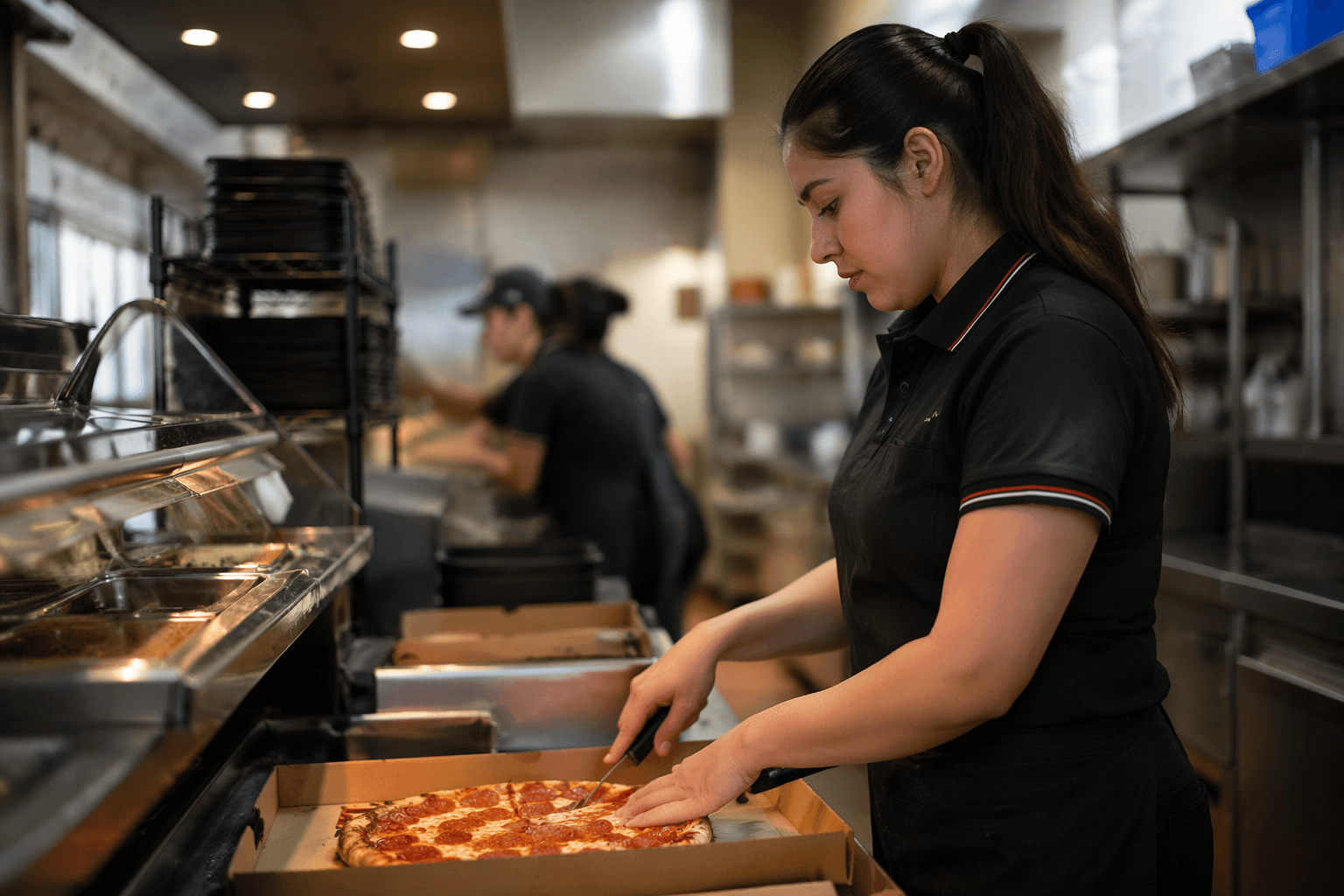
Chicago Lets Tipped Wage Rise, Restaurants Warn of Closures
Johnson’s veto kept Chicago’s tipped wage climbing, a change that could push Pizza Hut operators to raise prices, trim hours or rethink delivery staffing.
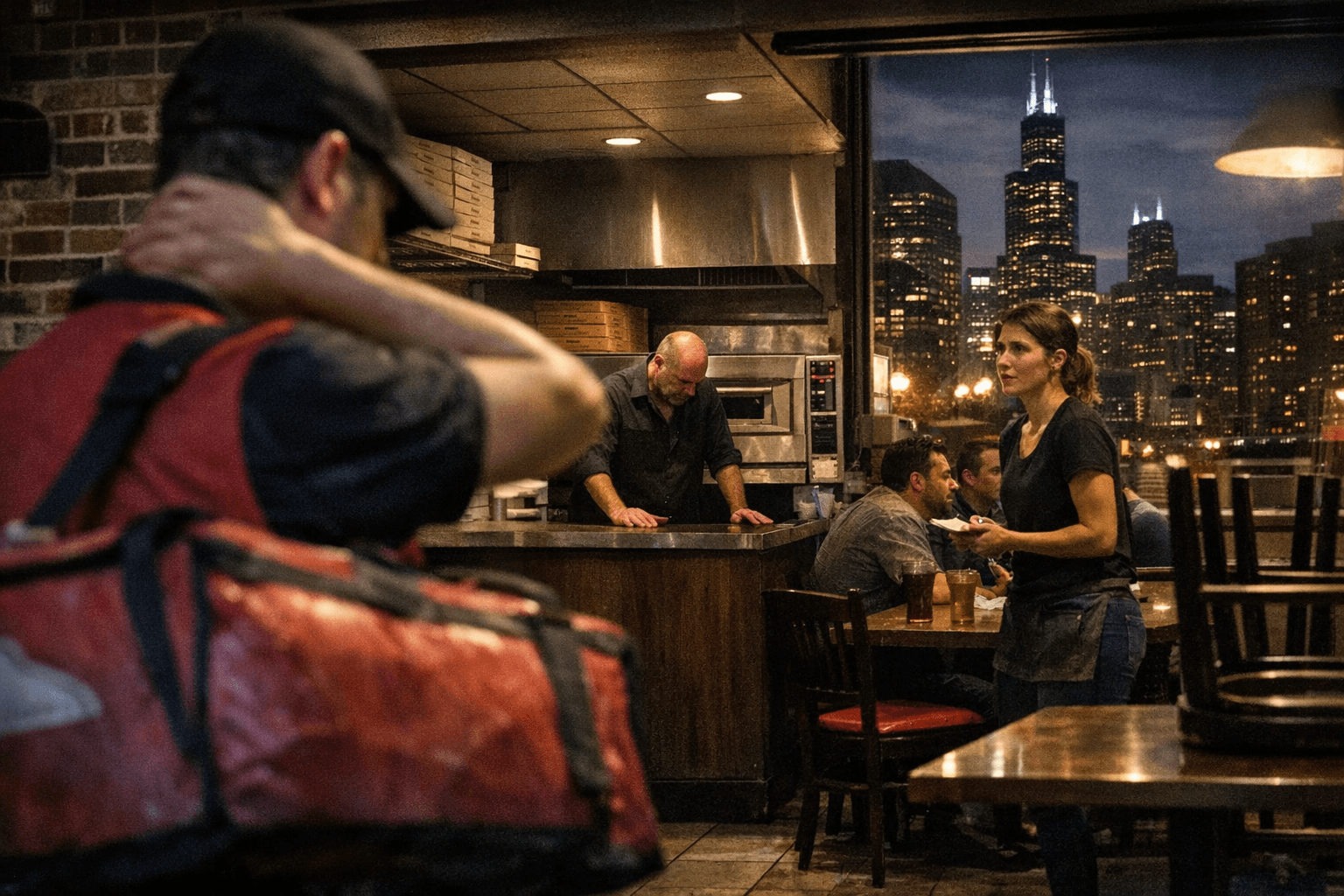
Brandon Johnson’s veto kept Chicago’s tipped wage on a higher track, and for Pizza Hut operators the warning sign is payroll, not politics. A tipped worker paid $12.62 an hour now would bring in $376.20 over a 30-hour week before tips; when the rate rises to $13.59 in July, that same shift pattern becomes $407.70. Chicago also requires tipped wages plus tips to equal the city’s $16.60 full minimum wage, with employers covering any shortfall.
That matters for delivery-heavy and front-of-house businesses because it narrows the gap between a tipped role and a standard hourly job. Chicago’s minimum wage is adjusted every July 1 by the Consumer Price Index or 2.5%, whichever is lower, and the city’s rules mean tipped labor does not stay cheap just because tips are part of the equation. The city’s current wage floor already puts pressure on operators that depend on lean staffing and fast turn times.
Restaurant groups say they are already feeling the strain. In a survey of 204 Chicago full-service restaurants fielded March 9 to 16, 98% of operators said they had changed their business after the July 1, 2025 increase. The most common moves were raising menu prices, cited by 89%, cutting employee hours, cited by 79%, and reducing staffing levels, cited by 72%. Looking ahead to the next increase on July 1, 2026, 99% expected to raise menu prices, 95% expected to cut hours and 43% said they may permanently close a restaurant.
The fight is rooted in a longer deal. Chicago City Council approved the tip-credit phase-out in October 2023 by a 36-10 vote, after restaurant interests dropped their opposition in exchange for a five-year phase-in instead of a two-year timeline. Under that schedule, direct pay for tipped workers was set to rise from $9.48 to $10.75, then $12.01, then $13.59 in July 2026, then $14.54 in July 2027, before reaching the full minimum wage in July 2028.
Johnson’s veto held after the council’s 30-18 freeze effort fell short of the 34 votes needed to override him. Chicago media reported he called the rollback “tone deaf and shortsighted,” while saying it would deprive workers of financial stability. For Pizza Hut franchisees in Chicago, the lesson is immediate: higher labor floors can quickly show up in menu pricing, delivery fees, shift coverage and whether a store can keep enough people on the clock when business is slow.
Chicago Pizza Hut delivery-driver postings list average pay around $17.11 an hour, which means the city’s wage floor is already brushing up against some franchise compensation levels. That is why the next local wage decision is more than a city hall fight; it is a test of how much labor cost the delivery model can absorb before operators change how they staff and sell pizza.
This article was produced by Prism’s automated news system from verified source data, official records, and press releases, then run through automated quality and moderation checks before publishing. The system is built and supervised by the people who set the standards it runs under. Read our full AI policy.
Did this article answer your question?