DoorDash Mother’s Day campaign shows delivery platforms drive dine-in traffic
DoorDash is turning Mother’s Day into a full-funnel marketing event, and Pizza Hut managers should treat app rankings, rewards, and reservations as a new traffic gate.
Platform merchandising is now part of the daypart mix
DoorDash’s Mother’s Day push is not just about where people tap to order brunch. It shows how a delivery app can steer guests across delivery, reservations, and in-store rewards in the same campaign, which is exactly the kind of shift Pizza Hut managers need to watch. When discovery, loyalty, and special-occasion merchandising live inside the same platform, the app is no longer a pass-through. It becomes a gatekeeper for family traffic.
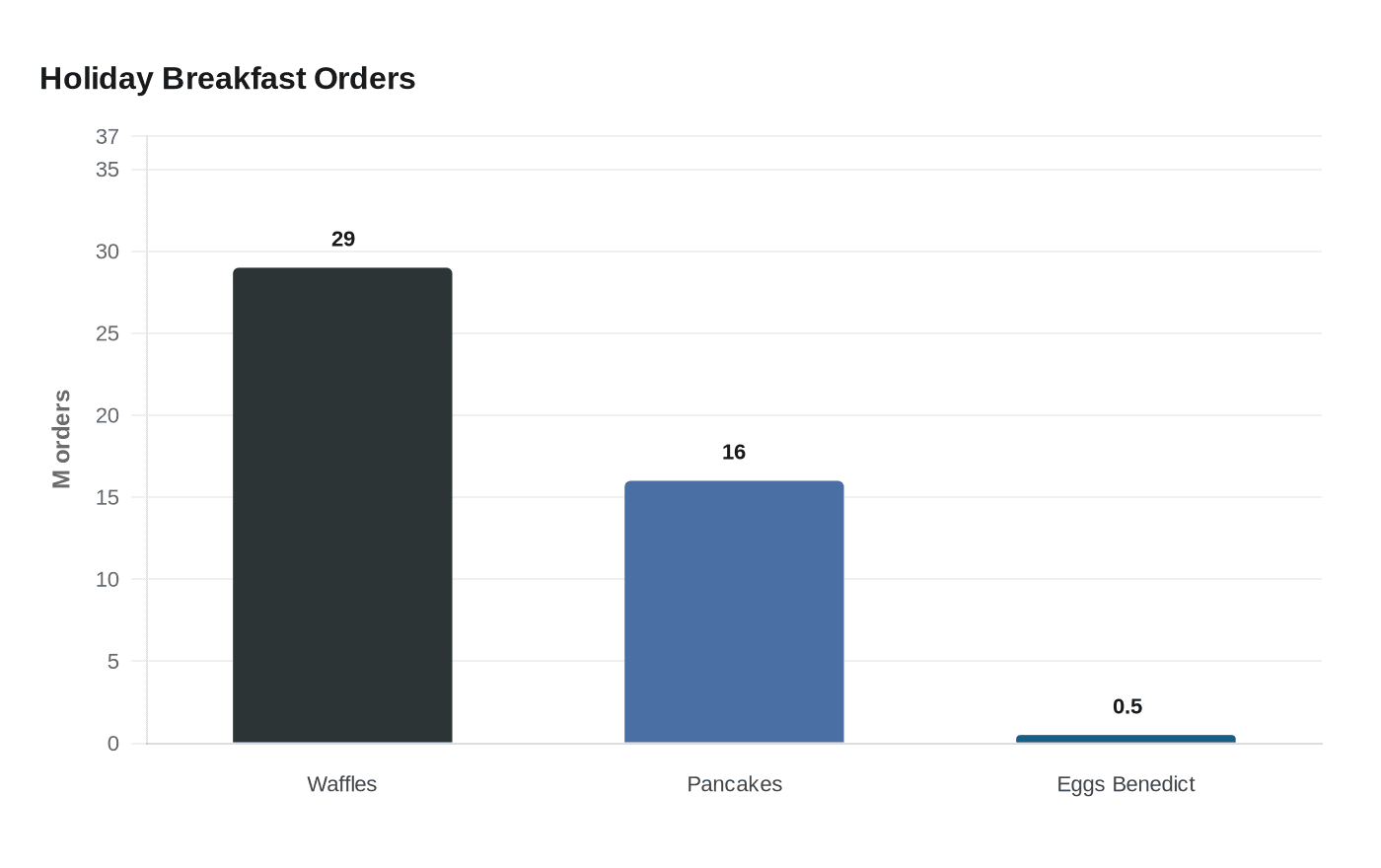
DoorDash said the featured restaurants in the campaign were selected using its own data and focused on small- to medium-sized businesses with the highest average customer ratings, at least 1,000 reviews, and fewer than 10 stores on the platform. The company also called Mother’s Day “one of the biggest dining moments of the year,” and that matters well beyond brunch. In the prior year, DoorDash customers ordered more than 29 million waffles, nearly 16 million pancakes, and over 500,000 eggs benedict, a reminder that holiday meal traffic can spike at a scale that changes labor, prep, and delivery flow.
Why this matters to Pizza Hut stores
For Pizza Hut teams, the key takeaway is not that a brunch campaign exists. It is that DoorDash is using data to surface restaurants, then wrapping that exposure with incentives that keep the customer inside DoorDash’s ecosystem. That means visibility may depend as much on ratings, review volume, and promotional participation as it does on the food itself.
Ruth Isenstadt, DoorDash’s Head of U.S. Restaurants, said families want a “low-lift” way to celebrate and that DoorDash wants people to enjoy local restaurants however fits their day, whether that is ordering in, making a reservation, or earning rewards in person. That language points to a broader operational reality for Pizza Hut managers and shift leads: the platform is shaping expectations before the order ever reaches the store. When guests arrive through a special occasion offer, they are not just buying pizza or sides. They are buying into a platform-driven experience that can include loyalty credits, in-store perks, and a different pace of demand.
That can cut both ways on the floor. Strong platform exposure can lift traffic, but it can also create mismatch problems if labor, prep, or customer service scripts are built for a normal night rather than a holiday push. Stores that understand how the app is merchandising the occasion are better positioned to staff correctly, protect ticket times, and handle guests who expect the same treatment they saw advertised on the platform.
DoorDash is turning the app into a restaurant guide
The Mother’s Day campaign fits a larger strategy DoorDash has been building since it launched Going Out on September 30, 2025. Going Out added reservations, in-store rewards, and exclusive offers for DashPass members, effectively blending off-premise and in-person dining into one customer journey. DoorDash said those rewards were available at thousands of restaurants in select U.S. and Australia markets, and that customers using Going Out offers receive an average of $9 in value per order.
The company also said reservations would debut soon in Miami and New York through its partnership with SevenRooms. That is a meaningful signal for pizza operators because it shows the platform wants to own more than delivery dispatch. It wants to own discovery, conversion, and repeat visits. Once that happens, the line between dine-in, takeout, and delivery starts to blur, and the platform begins to look less like a courier and more like a restaurant marketer.
For Pizza Hut, the practical impact is immediate. If a location participates in DoorDash-style promotions, it needs to be ready for order spikes, changing dayparts, and customers who may expect rewards or perks that the store itself does not control. Managers will need to think about how platform merchandising changes Friday night, family dinner, or holiday traffic, not just how it affects raw delivery volume.
What managers should watch on the floor
The best way to read this trend is to think in terms of control. DoorDash is controlling visibility through data, and it is controlling behavior through rewards and featured placement. That means Pizza Hut teams should pay attention to the parts of the customer journey they do not own, because that is where a lot of demand now gets shaped.
- Ratings and review volume can affect whether a store gets surfaced in a holiday push.
- Special-occasion merchandising can move traffic into unexpected dayparts, not just the obvious meal window.
- Loyalty expectations can show up even when the order starts on a third-party app and ends in the store.
- Labor planning needs to account for platform-driven spikes, especially when a campaign is framed around a major holiday.
For drivers, that can mean more stacked orders and more pressure to move between platform-promoted peak periods. For kitchen crew, it can mean tighter make-line timing and more pressure to keep up when a campaign drives a burst of orders from guests who are already looking at rewards and delivery tracking. For managers, it means the job now includes understanding how the app is merchandising the brand, not just how many tickets are in the queue.
Pizza Hut is moving in the same direction
Pizza Hut’s own move on April 21, 2026 makes the broader pattern even clearer. The chain relaunched Hut Rewards as a next-generation membership rather than a traditional points program, saying it is designed to deliver ongoing value, exclusive access, faster rewards through challenges and bonus opportunities, and member-only experiences. That is the same basic logic DoorDash is using: control more of the customer journey by mixing access, incentives, and discovery.
Pizza Hut said March Madness served as a large-scale demonstration of the concept, and it added that a limited-edition Space Jam x Pizza Hut merchandise collection sold out completely. That matters because it shows the brand is not just chasing visits, it is trying to turn loyalty into an event of its own. In other words, both the platform and the chain are working to own the occasion.
For Pizza Hut workers, that convergence is the real story. The delivery app is no longer just handing off orders, and the brand is no longer relying only on coupons or point tallies. Holiday traffic, loyalty, and in-person visits are getting wrapped into the same system, and stores that understand that shift will be better prepared when the next big campaign pushes demand through the roof.
This article was produced by Prism’s automated news system from verified source data, official records, and press releases, then run through automated quality and moderation checks before publishing. The system is built and supervised by the people who set the standards it runs under. Read our full AI policy.
Did this article answer your question?