Fat Brands deal paves way for $1 billion sale amid bankruptcy
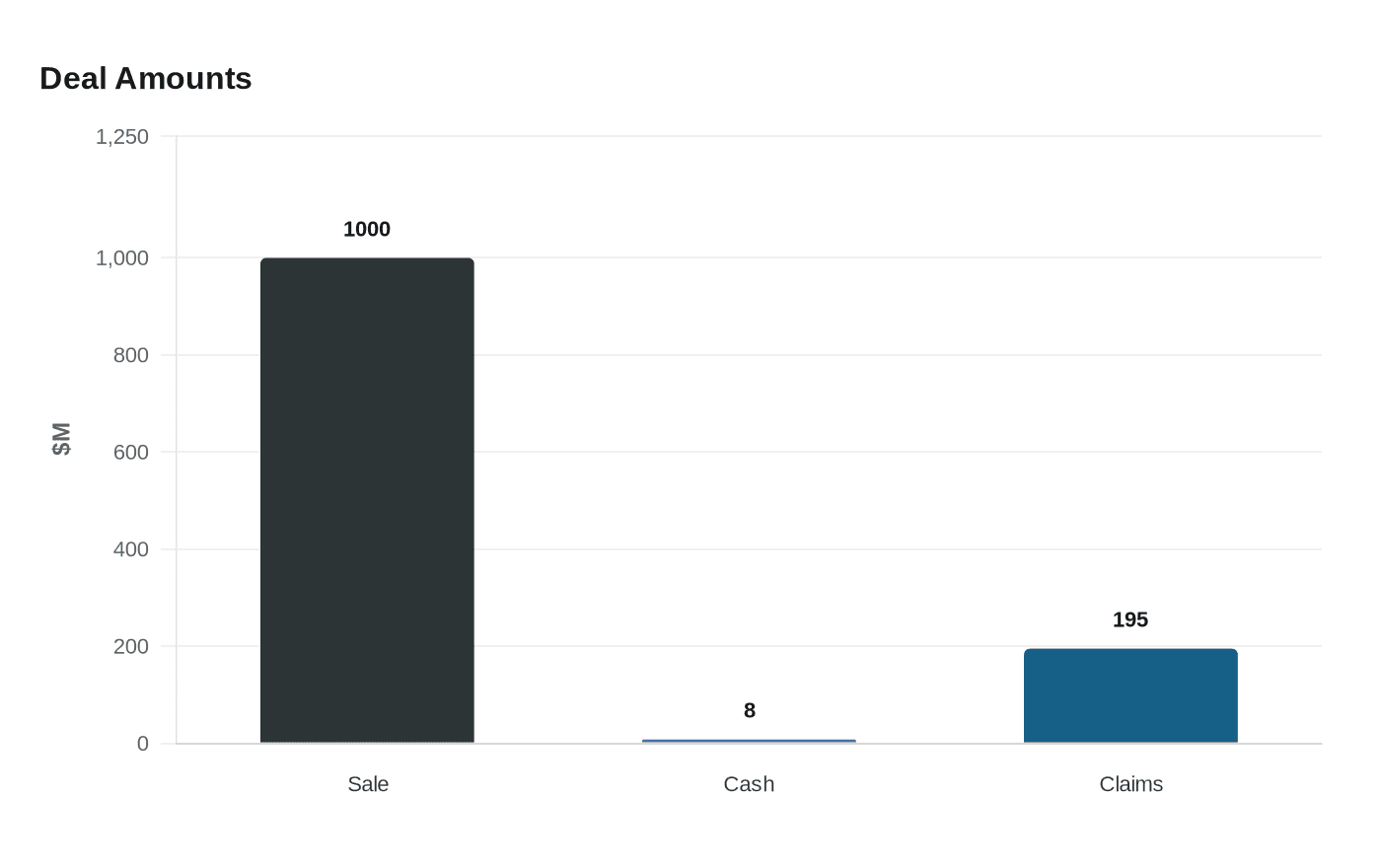
Fat Brands’ lender deal could clear a $1 billion sale, but creditors are still fighting over $195 million in claims and the cost of winding down operations.

Fat Brands reached a lender and creditor deal that could put a roughly $1 billion sale on the table, but the real takeaway for Pizza Hut workers is how quickly debt pressure can spill into store-level decisions. When a large franchisor starts restructuring, staffing, maintenance, vendor payments and remodel timing are usually among the first things to tighten.
FAT Brands Inc., Twin Hospitality Group Inc. and their subsidiaries filed for Chapter 11 on January 26, 2026, in the U.S. Bankruptcy Court for the Southern District of Texas. The company’s restructuring plan includes a liquidation trust that could pursue claims against former management, a sign that the fight over value is not ending with the sale process. Buyers have agreed to provide $8 million in cash to help wind down operations once the court approves the deal, but creditors are still contesting the process and want the court to decide whether about $195 million in claims must be paid before any sale can close.
The company’s footprint explains why the outcome matters beyond one chain. Fat Brands operates 18 restaurant brands, including Twin Peaks and Round Table Pizza, across more than 2,000 locations worldwide, with one filing summary putting the count above 2,200 sites. For Pizza Hut crews, that matters because Round Table competes for the same pizza dollars, the same labor pool and, in many markets, the same customer traffic that keeps restaurants busy enough to protect hours and paychecks. When a franchisor is in bankruptcy court, ad spending, refreshes and supplier relationships often get more conservative, and local managers tend to focus harder on unit-level profitability.
Pizza Hut has been dealing with its own pressure. Yum Brands said on November 4, 2025, that it was reviewing strategic options for Pizza Hut, including a possible sale, and chief executive Chris Turner said the brand might be better executed outside Yum. At the time, Pizza Hut had logged seven straight quarters of same-store sales declines, and Yum later said about 250 underperforming U.S. stores would close in the first half of 2026, or roughly 4% of its domestic base.
Pizza Hut’s scale makes the stakes larger still. Founded in 1958 in Wichita, Kansas, the chain now has more than 19,000 restaurants in 108 countries. In a pizza market where ownership changes, bankruptcy filings and store closures are becoming part of the same story, the warning signs usually show up first in the restaurant itself: tighter labor budgets, slower repairs, delayed vendor payments and less room for a local operator to absorb another bad month.
Know something we missed? Have a correction or additional information?
Submit a Tip