Pizza Hut pitches flexibility, early pay and growth to frontline workers
Pizza Hut is using flexible schedules, early pay and growth paths to pull in hourly workers. For managers, the real question is whether those perks make staffing more reliable.
Pizza Hut’s staffing pitch is built around life fit, not just hourly pay
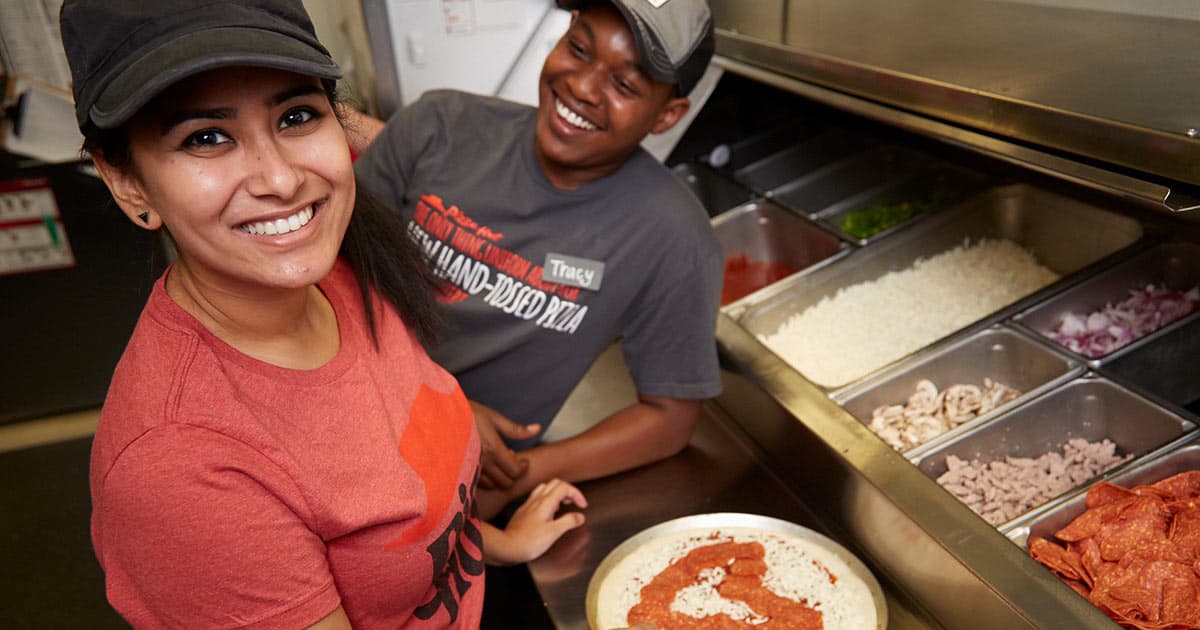
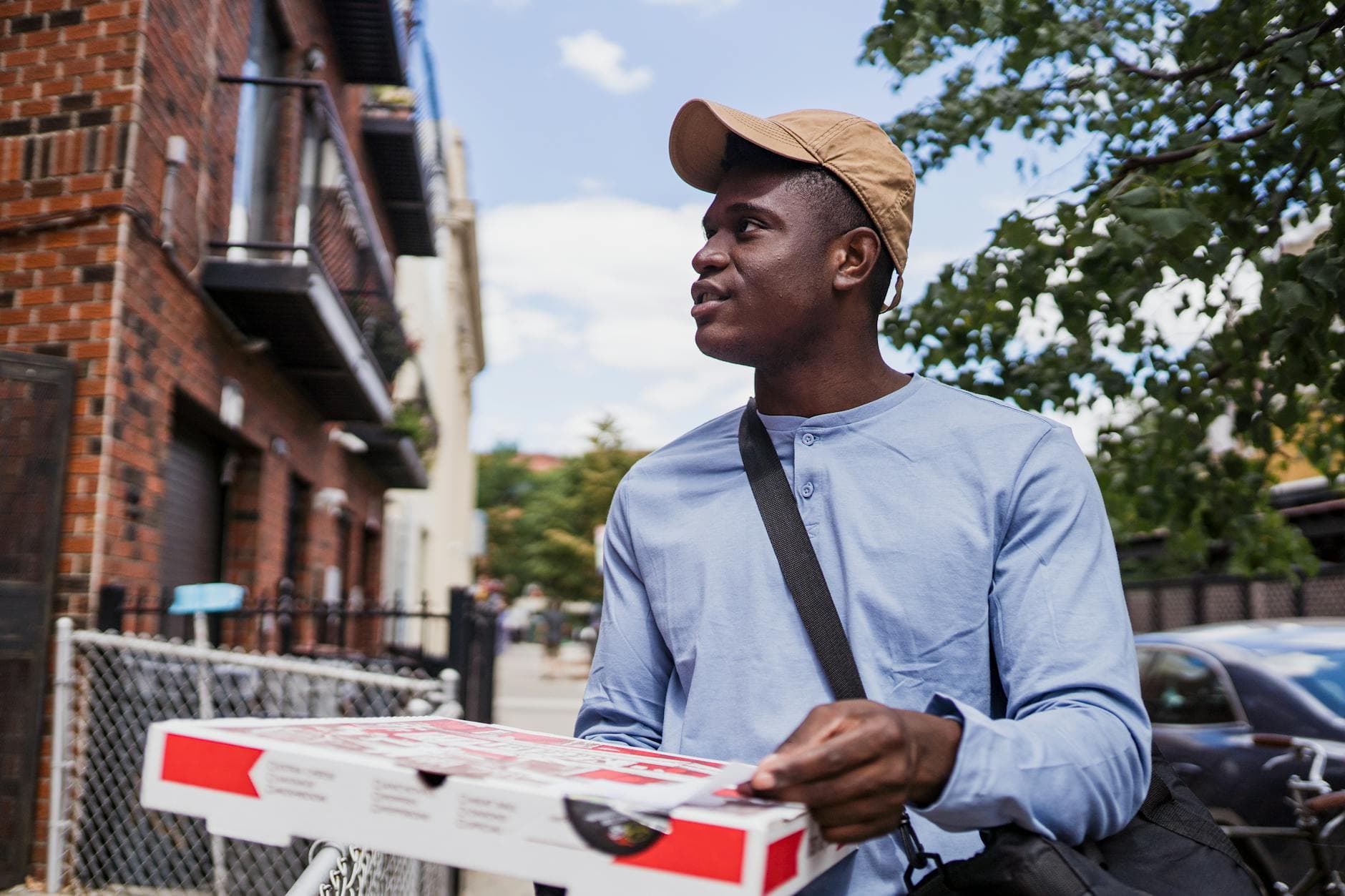
Pizza Hut is trying to make frontline restaurant work feel like a workable part of someone’s life, not a dead-end shift job. In a current Indianapolis team-member listing, the brand says the job is about making hungry people happy, being independent, having fun, making new friends and earning extra cash.
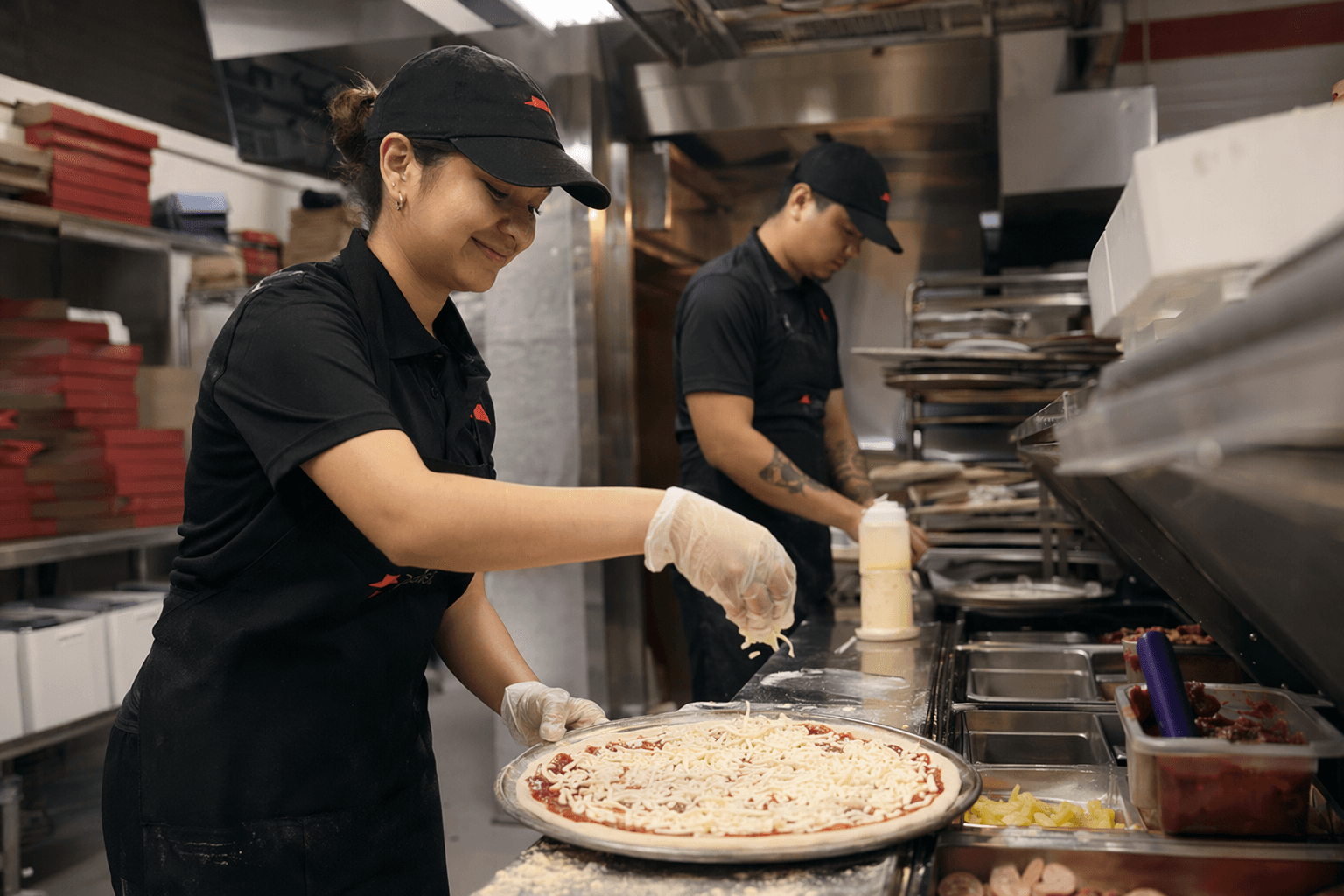
That framing matters because it shows who Pizza Hut wants in the door: newer workers, people looking for a second job and employees who need a schedule that bends around the rest of their week. The posting also says team members may work on the guest-facing side or in the kitchen, which gives the job value as an entry point into both front-of-house and back-of-house basics.
The perks are aimed at retention as much as recruiting
Pizza Hut’s current team-member postings go beyond a standard hiring ad. The company says roles may include limited medical and dental benefits, education assistance programs, an early wage access platform and strong growth opportunity, with more benefits becoming available the longer someone stays employed.
That is a direct answer to a common hourly-worker problem: people often decide whether to take or keep a job based on timing, not just wage rate. Early access to earnings can help cover gas, groceries and childcare gaps before payday, while education help makes the work feel less temporary. Flexible schedules help attract applicants, but growth language is what can keep a worker from treating the job as a short stop.
For a manager, the implication is simple. If a store wants steadier staffing, the job has to feel understandable, stable and worth returning to. A shift that fits somebody’s life is useful; a path to better shifts, more responsibility and better benefits is what gives that flexibility staying power.
Pizza Hut is selling a broad workforce story, not just a teen-job model
The company’s careers site says these roles are meant for people just starting out, people seeking a flexible second job and people staying in the workforce after retirement. That is a wider hiring target than the old fast-food stereotype, and it tells store leaders that the applicant pool may include students, parents, semi-retired workers and people trying to stitch together income from more than one job.
Pizza Hut says its U.S. restaurants are mostly independently owned and operated by more than 100 franchise organizations. It also says the brand has more than 16,000 restaurants and 350,000 team members in over 100 countries. That scale helps explain why a single corporate message has to be broad, while the real employment experience can still vary store by store.
The franchise structure matters for applicants and for managers. It also explains why a perk listed on the careers site may not appear at every restaurant. If the local operator does not offer the same benefits or scheduling practices, the recruiting pitch can sound better than the actual job unless the store manager is careful to spell out what is real on that site.
Education benefits are part of a longer strategy
Pizza Hut’s emphasis on education assistance is not new. In 2015, the company announced Life Unboxed EDU, a continuing-education program with Excelsior College. Under that program, Pizza Hut said every employee, whether equity or franchise, salaried or hourly, and their immediate family members could receive a 45% undergraduate tuition discount at Excelsior College.
The company also said salaried full-time corporate employees could get up to $5,250 per year for tuition, books and fees, paid up front rather than reimbursed. That detail is important because it shows the education pitch was designed for adults who are trying to balance work, family and school without waiting months for a reimbursement check.
For today’s store leader, the lesson is not that every team member wants a degree. It is that education language can make a first job feel less like a cul-de-sac and more like part of a bigger plan. Workers who see a future are often easier to keep, especially if they are already juggling more than one job or are using restaurant work to bridge to something else.
Training and standardization still shape the worker experience
Pizza Hut’s franchise FAQ says initial franchisee training lasts 8 to 12 weeks and takes place in a certified training restaurant in Plano, Texas. That does not describe crew onboarding directly, but it does show how seriously the brand treats standardized training across its system.
The company says additional training is required for key operation partners, which reinforces the idea that Pizza Hut expects consistency even in a franchise-heavy network. For hourly workers, that usually means the local manager’s ability to teach, coach and schedule well is just as important as any corporate benefit listed online.
The careers site also says Pizza Hut and its franchise partners want employees to be themselves, live authentic lives and earn enough to pay bills and enjoy life outside work. That language is deliberate. It is meant to make the brand sound humane and flexible, not purely transactional.
What managers should watch before treating these perks as a fix
Flexible scheduling and early wage access can help with applicant flow, but they do not automatically solve turnover. They work best when the store is already reasonably organized and when shifts are built with enough predictability that employees can trust the schedule. If workers keep getting surprise changes, broken promises or confusing pay practices, the perk loses its value fast.
A store leader should judge whether these offers are improving staffing reliability by watching a few practical signs:
- Are new hires showing up for orientation and staying past the first few weeks?
- Are open shifts getting filled faster, with fewer no-shows?
- Are workers asking for more hours, not just shorter ones?
- Are experienced team members staying long enough to move into better shifts or more responsibility?
- Is the store using the benefit pitch accurately, or advertising perks that do not exist at that location?
That last point is especially important in a franchise system. Pizza Hut says benefits referenced on its careers site may not be available at all restaurants, so the local employer has to make the offer concrete. If the store cannot deliver the schedule flexibility, early access to wages or education help it promises, applicants will notice quickly.
The bigger takeaway is that Pizza Hut is not just chasing applicants with a shiny message. It is trying to turn hourly restaurant work into something that feels flexible, useful and worth sticking with. Whether that works depends less on the language in the posting than on whether the store can make the day-to-day job match the promise.
Know something we missed? Have a correction or additional information?
Submit a Tip