Pizza Hut can learn from new training tactics to engage Gen Z workers
Pizza Hut’s fastest fix may be better training: shorter, visual onboarding can get Gen Z hires shift-ready sooner and keep them from quitting early.
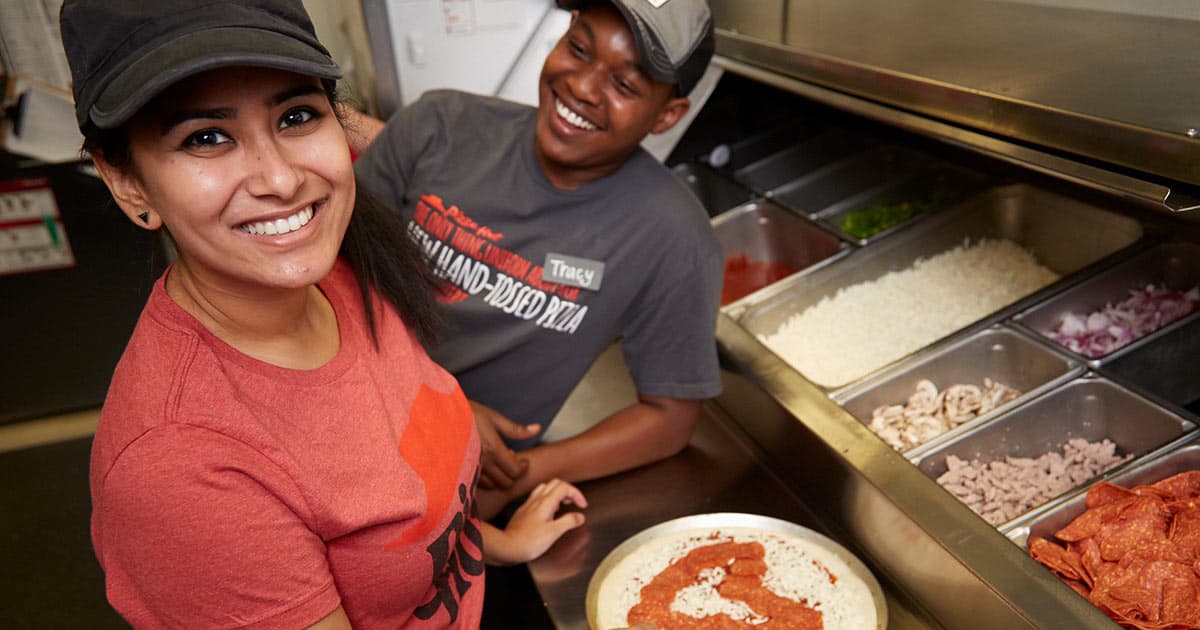
Pizza Hut managers trying to keep stores fully staffed are fighting a training problem as much as a hiring one. The labor pool is changing, the work is still fast and unforgiving, and the old approach of long lectures and thick binders does not fit how many younger workers learn or return to information once they are on the clock.
That pressure is not abstract. The National Restaurant Association projected U.S. restaurant sales would top $1.1 trillion in 2024, employment would reach 15.7 million by the end of the year, and 70% of operators would have job openings that were hard to fill. In a market that tight, every hour a new hire spends confused on a make line, missing a handoff step, or waiting too long for feedback is an hour the store can feel in tickets, guest satisfaction, and labor strain.
The training session leaders from First Watch and Qdoba pointed toward a more workable model: short videos, concise content, and material that can be pulled up again on a phone. That approach matters at Pizza Hut because the chain’s franchise system puts day-to-day onboarding in the hands of local operators and managers, not the corporate office. If the store cannot make training stick quickly, the store owns the fallout.
What Pizza Hut already has, and why it still needs to evolve
Pizza Hut is not starting from zero. Its franchise materials say the initial training program lasts 8 to 12 weeks and happens in a certified training restaurant in Plano, Texas. The company pays for the training itself, while franchisees cover travel and lodging, and the key operator must complete operations training before the restaurant opens.
That is a serious investment, and it shows the brand understands training as a system, not a side task. But opening training is only the beginning. A new driver, cook, or shift leader still has to survive the rushes, learn the store’s rhythm, and figure out what a good handoff looks like when the lobby is full and the phone will not stop ringing. A front-loaded program can prepare someone to start; it does not automatically prepare them to stay effective after the first few shifts.
Pizza Hut’s careers site also says franchisees are the exclusive employer of restaurant staff and are solely responsible for employment matters in their restaurants. That puts the burden squarely on local managers to turn brand-level training into repeatable store habits. In practice, that means the best training model has to be usable by the people actually opening boxes, calling orders, loading ovens, and sending drivers back out the door.
Why Gen Z changes the training equation
The case for shorter, more visual training gets stronger when you look at the workforce itself. The National Restaurant Association says 63% of Gen Z adults view takeout as an essential part of their lifestyle, which makes them a natural customer base and a major labor pool for restaurant brands like Pizza Hut. NACE cites Bureau of Labor Statistics projections showing Gen Z will make up about 30% of the U.S. workforce by 2030, and other estimates put them at about one-third of the global workforce by then.
That matters because Gen Z workers are also more likely to move on if a job feels disorganized, outdated, or hard to grow in. ManpowerGroup’s 2025 Gen Z report says they were the age group most likely to say they may voluntarily leave their current roles in the next six months. Employers are responding with better technology tools, better work-hour flexibility, stronger compensation, more attention to well-being, and clearer career development.
Pizza Hut cannot solve every retention problem with a training video. But it can make the first days on the job feel less like guesswork. For young workers who are used to searching, replaying, and skipping ahead on their phones, training that is easy to revisit is not a gimmick. It is a practical way to reduce mistakes, speed up confidence, and make the job feel learnable.
What the new training should look like on the floor
The lesson from the restaurant session is not that managers should replace people with screens. It is that the hardest parts of the job should be broken into pieces that workers can actually remember under pressure. That means short modules, visual demonstrations, and tools that support shadowing instead of drowning it out.
A Pizza Hut store could build that around a few essential topics:
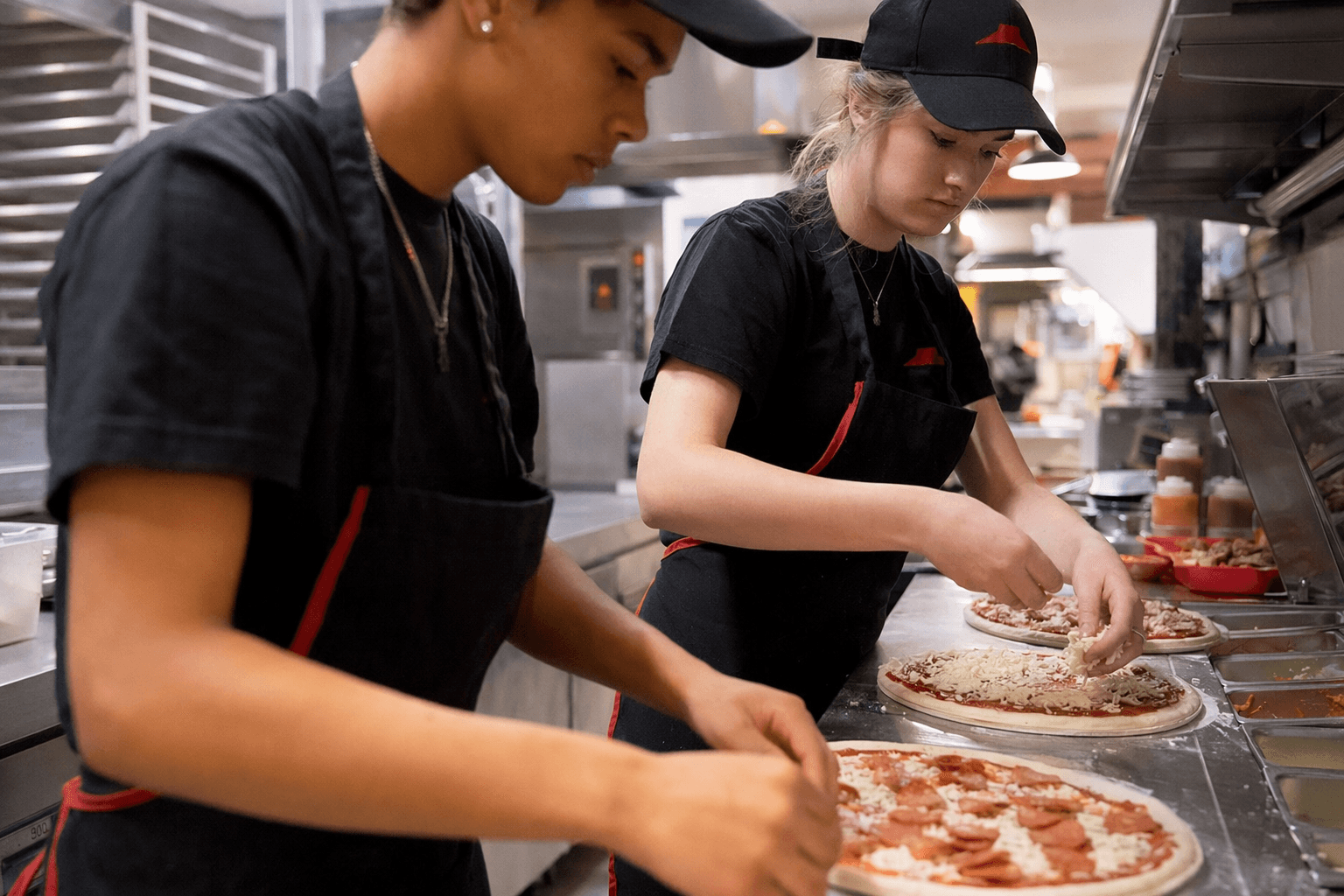
- Order flow from the first ticket to the final handoff, so new hires understand where delays happen.
- Product build standards, shown in short video clips, so a driver, cook, or insider can see the expected result before making it.
- Safety steps and sanitation basics, explained in quick bursts rather than one long lecture.
- Guest recovery standards, so workers know what to do when an order is late, wrong, or missing an item.
- Shift-opening and closing checklists, kept simple enough that a manager can review them in a minute instead of improvising from memory.
The point is not more content. It is less friction. A worker who can watch a 45-second demo before a rush is more likely to get the sequence right than one who sat through a long onboarding session a week earlier and has been trying to remember it ever since.
Faster feedback is the part managers cannot skip
Shorter training only works if it is paired with faster correction. In a Pizza Hut store, that means the first few shifts should have a built-in feedback loop, not a vague promise that the new hire will “get it” eventually. A cook should hear quickly whether the pizza build is right, a driver should know whether the handoff was clean, and a shift leader should be told where the store is losing time before the problem becomes habit.
That kind of feedback helps with early retention because it removes the anxiety of silence. It also helps the team that is already on the clock, since fewer repeated mistakes mean fewer remakes, fewer angry callbacks, and less pressure on the people covering the rush. In a labor market where 70% of operators say openings are hard to fill, that kind of operational stability is not a luxury. It is protection.
Why this also matters for franchise growth
Pizza Hut’s franchise materials point to a longer runway than one opening or one hiring class. The brand says it has a history of cooks moving into corporate offices and drivers becoming franchise owners. That only happens when stores treat training as a pipeline, not a chore.
A clearer onboarding system gives managers a better shot at turning entry-level workers into shift leaders, and shift leaders into assistant managers. It also gives franchisees a more predictable way to promote from within, which matters in stores that cannot afford to keep retraining the same roles from scratch. For a brand built on high-volume execution, the simplest competitive edge may be the one that is easiest to overlook: teaching people faster, in a way they will actually remember.
Know something we missed? Have a correction or additional information?
Submit a Tip