How Pizza Hut workers can spot pay stub errors early
The fastest way to catch a bad paycheck is to compare every stub against your own shift log, especially when hours, tips, mileage, or deductions drift.

Why the pay stub matters in a Pizza Hut store
At Pizza Hut, the pay stub is more than payroll paperwork. For drivers and hourly crew, it is the record that shows whether hours, overtime, tips, mileage, and deductions were handled correctly, and that makes it one of the quickest early-warning tools for store-level compliance trouble.
Small errors can snowball fast in a busy pizza operation. A missed hour, a misplaced mileage reimbursement, or a tip line that does not match the way the store actually runs can create frustration long before anyone thinks of filing a formal dispute. The workers who spot problems early usually do one thing well: they compare the stub to their own notes instead of trusting memory.
Start with the lines that move the paycheck most
The first lines to check are the ones that most directly affect earnings: regular hours, overtime hours, and any differentials or premiums tied to the shift. Those numbers should make sense against the schedule, the clock-in and clock-out times, and the kind of work you actually did that week.
That matters because restaurant payroll problems often begin with simple mismatches. If you stayed late to close, helped cover a rush, or picked up an extra route, those details should show up somewhere on the stub. When they do not, the gap is easier to fix early, before it turns into a bigger disagreement over missed pay or a pattern of payroll sloppiness.
What to compare against your own notes
A stub is only useful if you have something to compare it to. That is why Pizza Hut workers are better protected when they keep a basic weekly record of their own.
- Shift start and end times
- Deliveries completed
- Mileage driven
- Cash tips received
- Any unusual shift duties, such as staying late or covering another route
A simple log should include:
That record does not need to be fancy. It just needs to be consistent enough that you can match it to the stub line by line. If there is ever a discrepancy, written notes carry far more weight than memory, especially during a busy week when managers are juggling several issues at once.
Delivery drivers should watch mileage and reimbursements closely
For drivers, mileage is one of the most important items to verify. If your store handles delivery-related reimbursements separately, the stub should show that clearly, and the amount should match what was promised or what the store’s process requires. If the reimbursement is missing, understated, or lumped into a place you do not recognize, that is the kind of issue worth raising quickly.
Drivers also have to pay attention to route volume and the practical realities of gig competition. When DoorDash and Uber Eats keep pressure on delivery pay, even a small payroll mistake can feel bigger because every mile and every tip matters more. A clean mileage record helps prove what you actually drove, which is especially useful when the store is moving fast and payroll follows the pace of a crowded Friday night.
Tips can be the first place confusion starts
If your store reports tips separately, read that section carefully. Cash tips need special attention because you should know when and how they are recorded, not just whether they were collected somewhere along the way. If the store handles cash tips at the register or through a manager’s count, the paperwork should still line up with what you actually received.
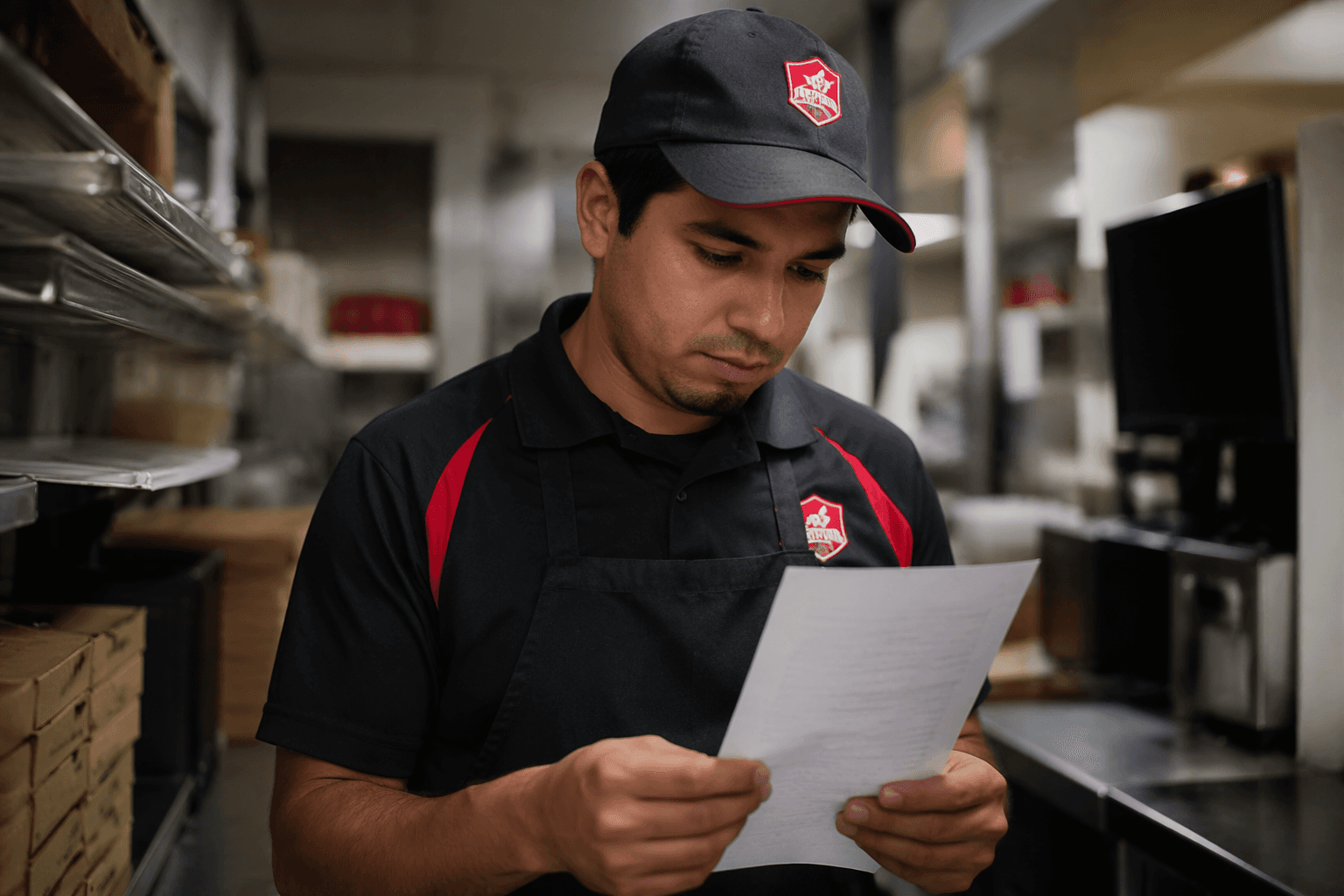
This is where many disputes begin. Workers often assume tip totals will sort themselves out later, but payroll is easier to correct when the numbers are still fresh. If the tip line does not match your own tally, write down the dates, the shift, and the expected amount before asking for an explanation.
Deductions deserve the same attention as earnings
Pay stub review is not only about what was paid out. Deductions can also create problems if workers do not know what they are looking at. Even when a deduction is routine, it should still be understandable and consistent with what the store told you to expect.
That is why a complete check matters. A worker who only looks at the final amount may miss a problem hiding in a deduction line, while a worker who checks the whole stub can catch a shift in take-home pay before it becomes a recurring issue. In a store that depends on tight labor scheduling and high turnover, that kind of early catch can prevent a lot of suspicion later.
Why clean records matter for managers too
The same rules help on the management side. Clean records reduce conflict because crew and drivers are less likely to feel that payroll is being handled carelessly or unfairly. In a franchise setting, where local management often handles day-to-day decisions and workers may not know who owns what piece of the operation, trust in the paycheck becomes part of trust in the store.
That trust matters for retention. People stay longer when they believe their paycheck reflects the hours they worked and the work they actually did. It also helps with coaching, because employees can see how attendance, overtime, and route volume affect their income instead of guessing why one week looks different from the next.
How to raise a problem before it grows
If something looks wrong, report it quickly and keep the conversation factual. The strongest payroll questions are the ones built around dates, times, routes, expected amounts, and the exact line that does not match your record. That makes it easier for a manager or payroll contact to trace the problem and correct it while the details are still fresh.
This is especially important in a store that is running hot. During a rush week, payroll mistakes can happen simply because the operation is moving too fast, not because anyone intended to short a worker. A quick report backed by a clean log gives the store a chance to fix a small issue before it turns into a major dispute.
The habit that protects workers most
The best habit at Pizza Hut is simple: check every stub against a weekly record, every week. When hours, tips, mileage, and deductions line up with what you wrote down yourself, payroll becomes easier to trust and easier to defend.
In restaurant work, that trust is not a minor detail. It affects morale, turnover, and whether workers believe the store is being run carefully enough to keep up with the pressure of delivery demand and franchise-level compliance. The paycheck should reflect the work actually done, and the workers who verify it early are the ones most likely to catch trouble before it spreads.
This article was produced by Prism’s automated news system from verified source data, official records, and press releases, then run through automated quality and moderation checks before publishing. The system is built and supervised by the people who set the standards it runs under. Read our full AI policy.
Know something we missed? Have a correction or additional information?
Submit a Tip