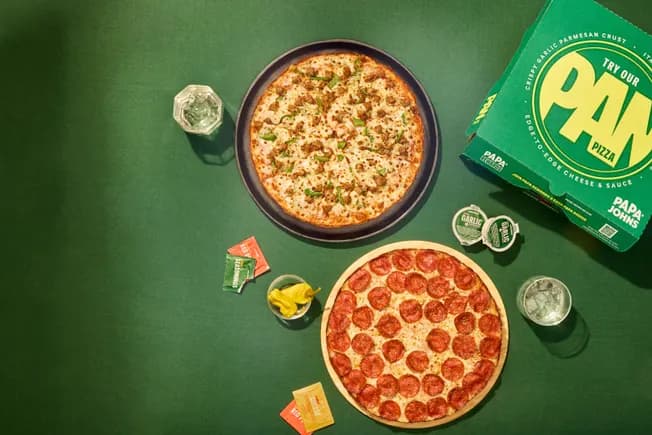
Inspire Brands IPO signals rising pressure for Pizza Hut workers
Inspire Brands filed for an IPO on May 11, putting fresh capital pressure on Pizza Hut as rivals gain more room to spend on tech, talent, and growth.
Inspire Brands’ move toward the public markets sharpened a pressure point Pizza Hut workers already know well: the fight for jobs, tools and attention is increasingly being decided by corporate finance. When a restaurant giant files for an IPO, it is not just a Wall Street event. It can reshape where money goes, which brands get modernized first, and how hard franchise restaurants are pushed to deliver.
Inspire’s portfolio stretches across sports bars and breakfast quick-service brands, a mix that can help cushion the company if one corner of the business slows down. That kind of spread matters because it gives management more ways to deploy capital, technology and leadership talent across multiple concepts. For Pizza Hut, which sits inside Yum! Brands’ own multi-brand system, that is a reminder that competitive pressure is not only coming from pizza chains. It is coming from restaurant groups that can test a strategy in one brand and move it somewhere else fast.
For franchise employees, that usually shows up in the day-to-day work. More investment can mean better ordering systems, faster kitchen workflows and more polished delivery operations. It can also mean tougher labor expectations, tighter scheduling and more pressure on managers to hit numbers with fewer mistakes. In stores where staffing is already thin, the difference between a brand with new money and one that is trying to catch up can be felt on every shift, from prep to close.
The IPO filing also underscores how much the industry still rewards scale. Investors tend to favor growth, asset-light structures and the operating leverage that comes from running several brands under one umbrella. That can be good news for companies that can tell a stable growth story. It can be harder for underperforming restaurants, which may face restructuring, refranchising or strategic sales if margins slip. For workers, that often means new owners, different priorities and changes in training or scheduling that arrive with little warning.
That is the part Pizza Hut managers and crew should watch closely. A rival with fresh capital can use it to recruit stronger leaders, polish its technology and put more muscle behind expansion. The result is a higher bar for everyone else, including Pizza Hut operators competing for drivers, kitchen staff and customers who expect faster service and smoother execution. In that kind of market, finance is not abstract. It decides who gets the better tools, who gets promoted faster and which stores are asked to do more with less.
Know something we missed? Have a correction or additional information?
Submit a Tip